Cypriot Pound or Lira: A Currency with Two Names
Before adopting the euro, Cyprus had a currency like no other: three languages shared one banknote, and Greeks and Turks called the English pound a lira.
- Date
- Reading
- 3 minutes
- Source
- Central Bank of Cyprus
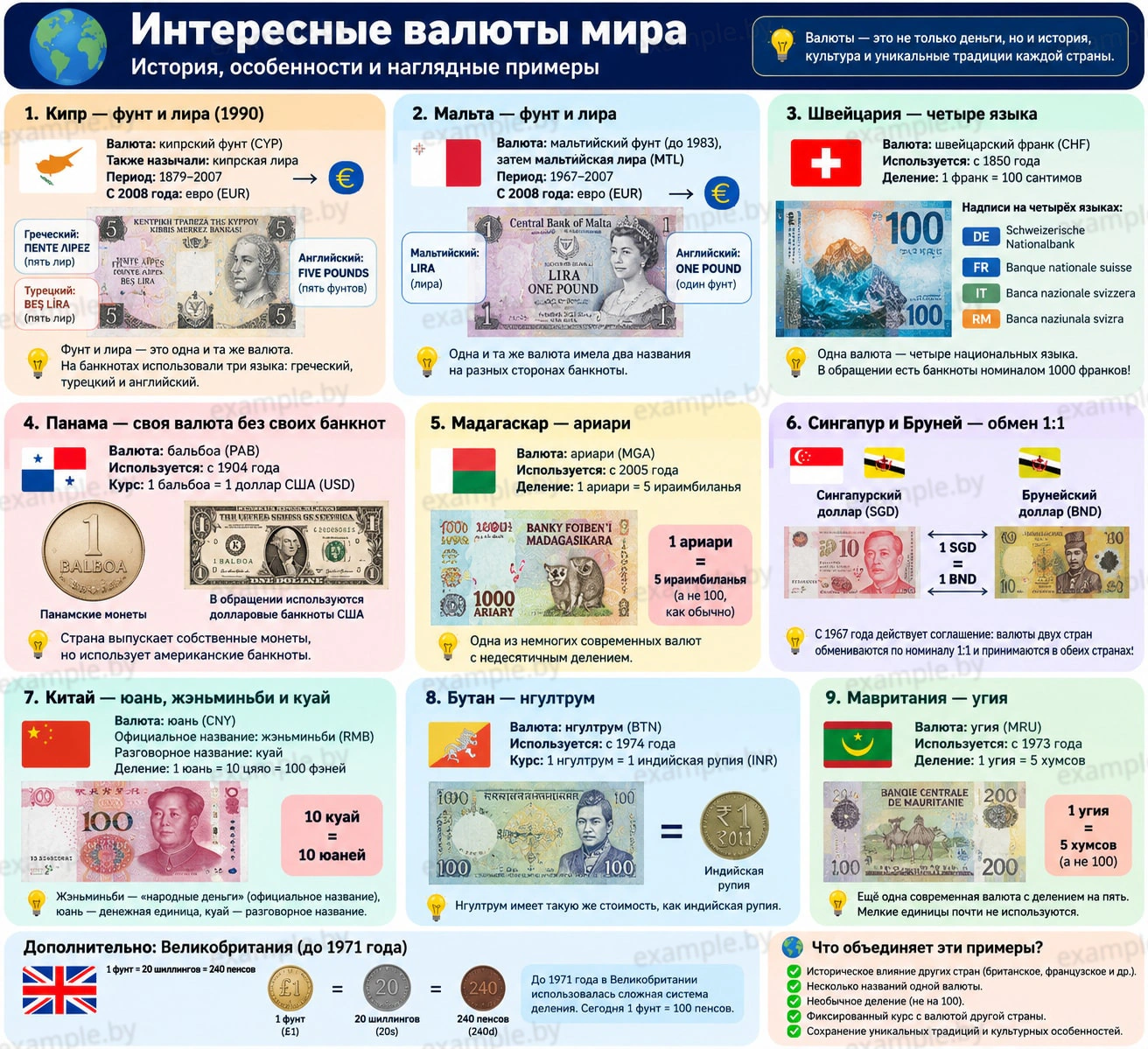
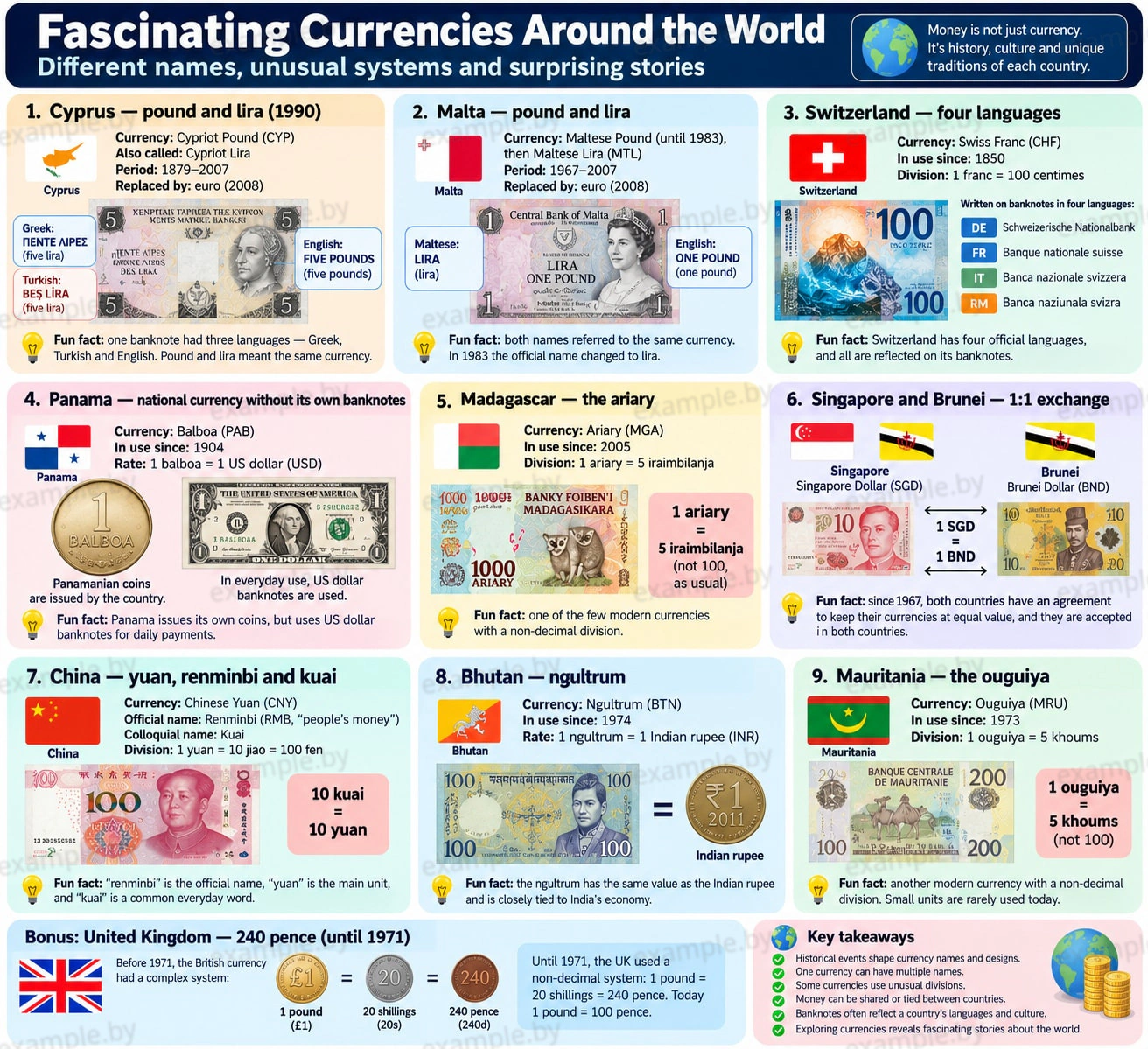
In 1990, Cyprus used the Cypriot pound (CYP), also known as the Cypriot lira.
- Symbol: £ or C£
- International code: CYP
- 1 Cypriot pound = 100 cents
- In circulation: from 1879 to 31 December 2007.
On 1 January 2008, Cyprus officially switched to the euro. The conversion was made at a fixed rate: €1 = 0.585274 CYP, which means one Cypriot pound was worth roughly €1.71.
Note that this is the 2008 changeover rate, not the 1990 exchange rate. And the purchasing power of money back then was completely different.
Why banknotes carried three languages
The reason is that Cyprus spent more than 80 years under British rule, and English became deeply rooted in the island's financial system.
- 1571–1878: Cyprus was ruled by the Ottoman Empire.
- 1878–1960: the island was under British administration, and from 1925 it was officially a British colony.
- 1960: Cyprus gained independence but kept many British traditions, including the Cypriot pound. <Cite refs={["turn153589search26","turn153589search7"]}/>
Three languages appeared on Cypriot banknotes at the same time:
- Greek, the language of the Greek Cypriots.
- Turkish, the language of the Turkish Cypriots.
- English, a legacy of the British administration and an international language of communication.
The design was unusual: the front of the banknote carried inscriptions in Greek and Turkish, while the back was in English. Yet English was never an official language of the Republic of Cyprus (under the constitution there are only two: Greek and Turkish).
Here is another curious fact: the United Kingdom still maintains two sovereign military bases on Cyprus, Akrotiri and Dhekelia. This, too, is a legacy of the 1960 independence agreements.
Where Cypriot money was printed
The Central Bank of Cyprus issued its own national currency but commissioned the banknotes abroad, from specialist printing works.
For example, the five-pound note of 1990, with a print run of 4 million, was printed in London by the well-known British company De La Rue. Other denominations, in particular some series of one-pound notes, were ordered from the French company Oberthur Fiduciaire.
Pound or lira: one currency, two names
The reason is that the name depended on the language in which people spoke about money.
On one and the same 5 CYP note, the front read ΠΕΝΤΕ ΛΙΡΕΣ in Greek and BEŞ LİRA in Turkish (both translate as “five liras”), while the back read FIVE POUNDS in English.
Five Cypriot pounds and five Cypriot liras are exactly the same sum and the same monetary unit, not different currencies.
Both names are historically linked to the Latin word libra, a unit of weight.
- Lira comes directly from the Latin libra.
- Pound comes from the Latin pondus (“weight”), associated with the expression libra pondo (“a pound by weight”).
In other words, the pound and the lira share common historical roots.
Even the official website of the Central Bank of Cyprus preserves this distinction: in the English version of the section the currency is called the Cyprus pound, while in the Greek version it is Κυπριακή λίρα.
In 1879 the British colonial administration introduced a monetary unit familiar across the empire and pegged to the pound sterling, yet the local population continued to use the traditional Ottoman word “lira.” The two names coexisted peacefully until the introduction of the common European currency in 2008.
The Cypriot lira (CYP) should not be confused with the Turkish lira (TRY), which is used in the northern part of the island.
Liked it? Save it for later.
 Culture · 27.10.26
Why One Family Can Have Different Surnames
 Culture · 18.10.26
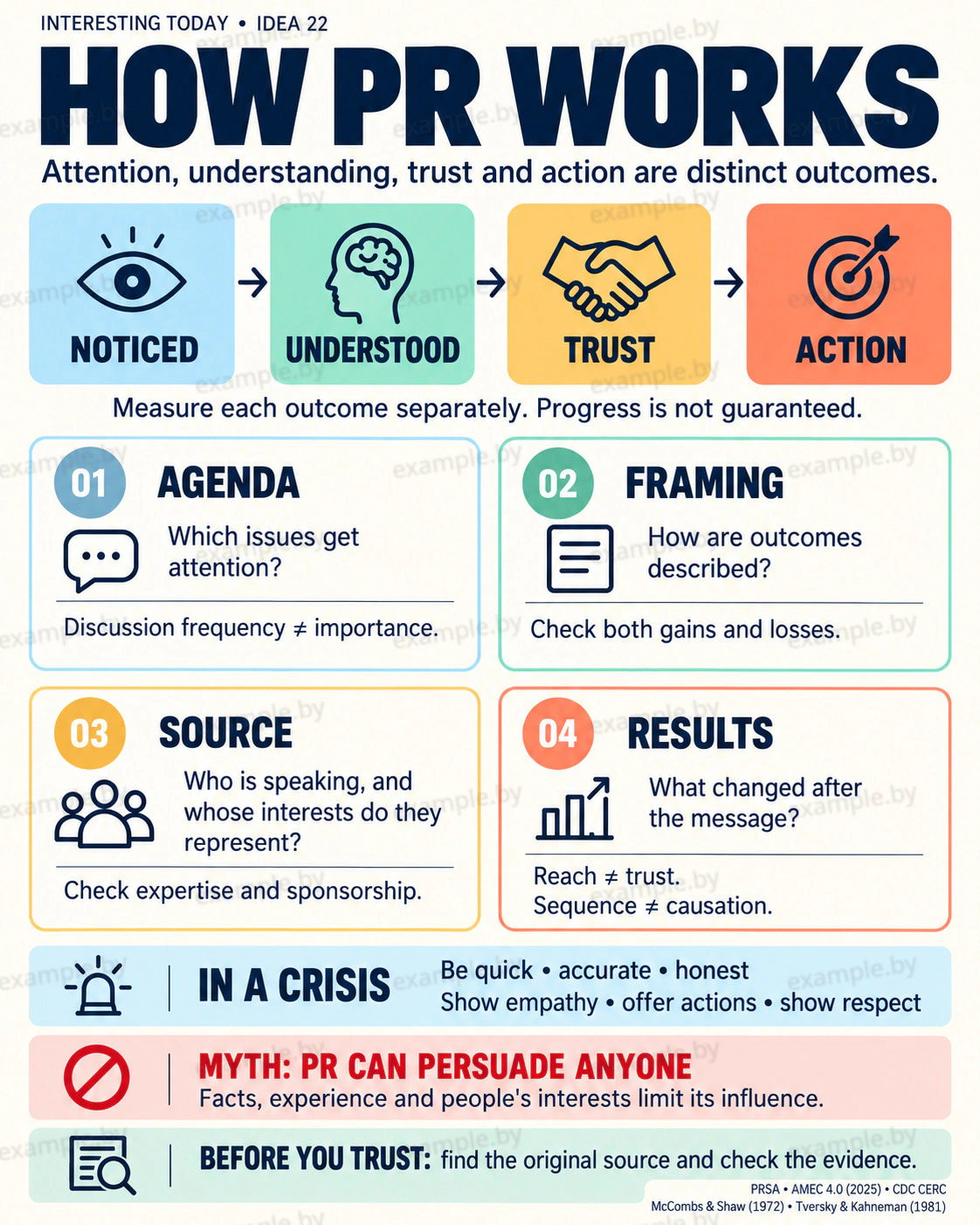
How PR Works: Mechanisms, Limits and Trust
 Body · 18.10.26
The Art of the Pause: How to Speak Calmly and Confidently
 Culture · 13.10.26
How Iconic Bands and Artists Got Their Names
 Medicine · 05.10.26
How Helicobacter pylori Survives Stomach Acid
 Medicine · 03.10.26
What DNA Tests Can Actually Reveal
 Biology · 19.10.26
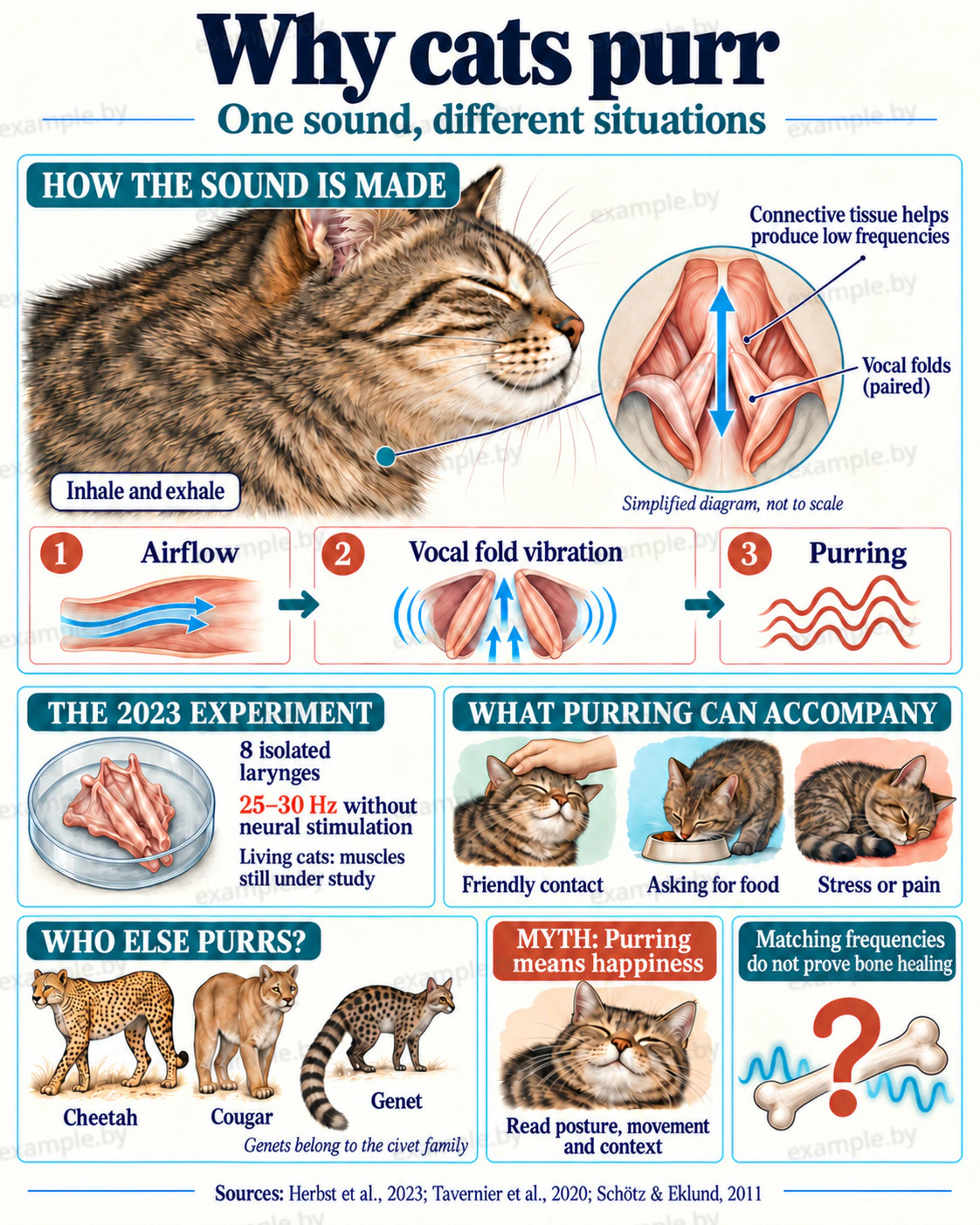
Why Cats Purr and What the Sound Really Means
More Than a Cap: The Hidden Network Beneath Your Feet
Biology · 17.10.26
More Than a Cap: The Hidden Network Beneath Your Feet
 Technology · 16.10.26
The Life Cycle of a Star: From Nebula to Black Hole
 Body · 15.10.26
Who Pays for Heat: Why a Lizard Can Be Hotter Than a Bird
 Technology · 15.10.26
How Vector Search Works: Chroma, pgvector and Qdrant
 Technology · 13.10.26
How Smart Scales Track Muscle and Water