How PR Works: Mechanisms, Limits and Trust
How public relations shapes the agenda and perception, where persuasion shades into manipulation, and how a new project can build its first communications.
- Section
- Culture
- Date
- Reading
- 24 minutes
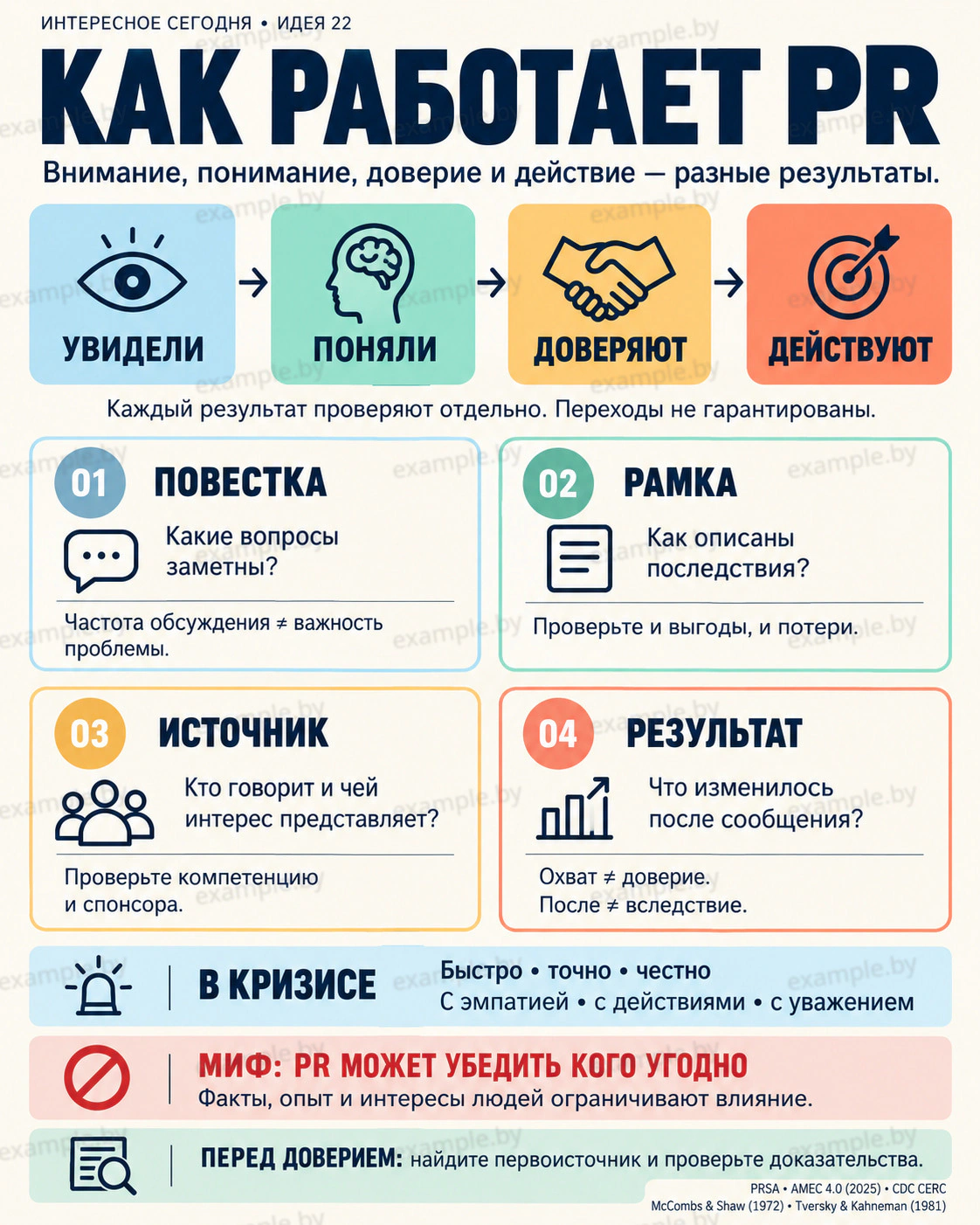
A cigarette can be sold as tobacco, or as a symbol of freedom. Edward Bernays, one of the pioneers of public relations, worked for the American Tobacco Company and linked women's smoking with emancipation. The US Library of Congress, which holds his archive, describes the campaign through the image of “torches of freedom”. What changed was not the product's properties but the meaning people were invited to attach to it. This is a documented example of a communication strategy; it does not by itself allow us to calculate how many women started smoking because of it. The history of the Bernays archive.
This story shows both the power of PR and the reason for distrust of it. Communication can attract attention, set an interpretation and offer grounds for trust. But these are different tasks, and success at one does not guarantee the others. Public opinion is also shaped by personal experience, interests, events and conversations between people.
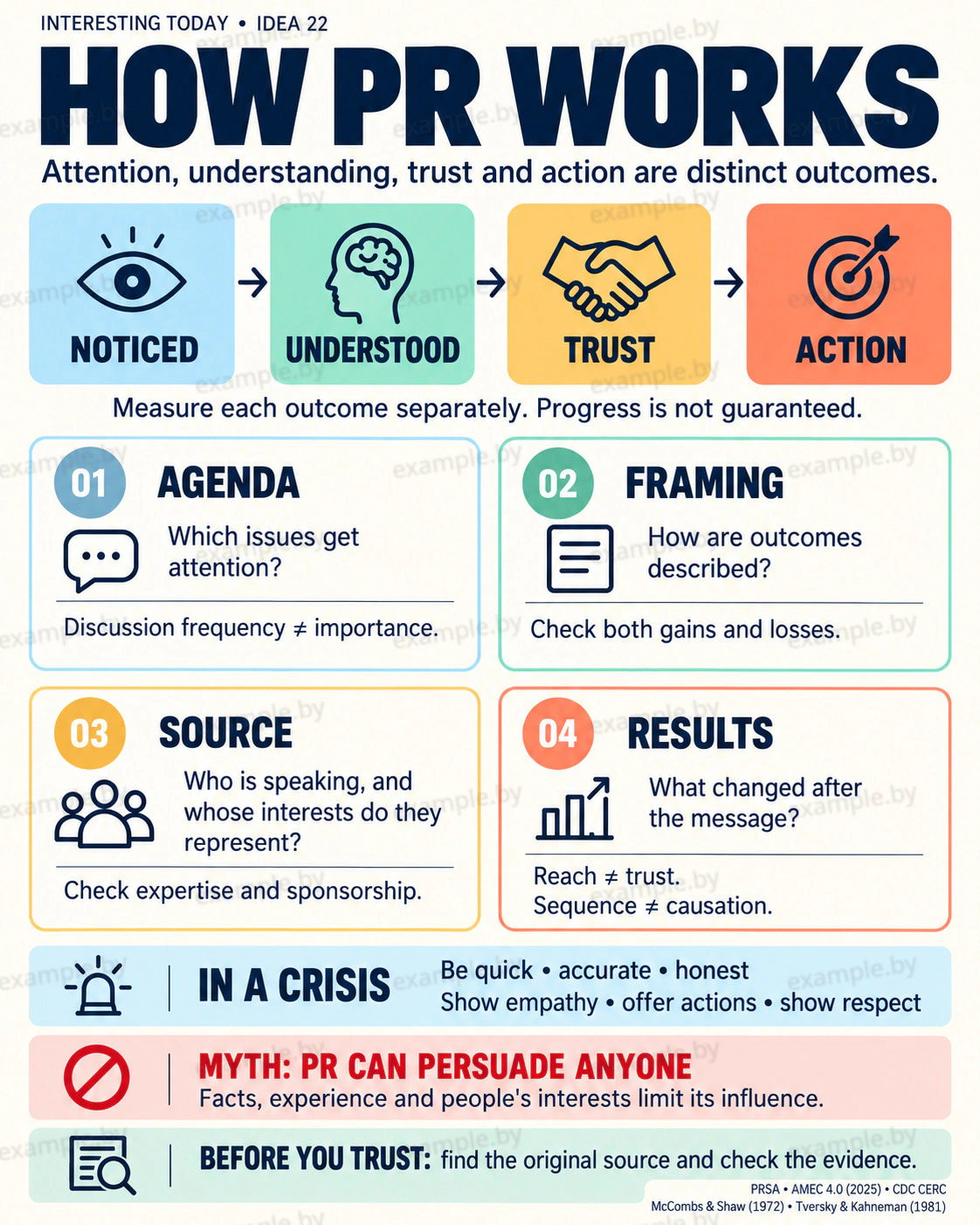
The short answer: PR is the systematic work on relationships between an organization and the people it affects. It influences the information environment and perception, but it gives no full control over other people's beliefs. It should be judged by its evidence, the openness of its interests and its real consequences.
Why a single loud message is not enough
The professional association PRSA defines public relations as a strategic communication process that builds mutually beneficial relationships. Its duties include researching public opinion, working with employees and communities, advising leadership and handling crisis communication. This is a professional benchmark, not evidence that every practice meets it. PRSA definition.
The “public” here is not uniform. A customer cares about quality and refunds; an employee, about working conditions; the neighbors of a plant, about noise; a journalist, about verifiable information. One message can answer an investor's question and fail entirely to answer the question of an aggrieved customer.
Imagine a fictional delivery service that is regularly late. A polished story about caring for customers may attract attention. But the relationship will demand something else: understanding the causes of the delays, changing the process and explaining to customers what to expect now. In this example the communication problem is tied to a management problem. A text can help make the change understandable; the change itself still has to be carried out.
That is why a useful strategy begins with questions: who is affected by the situation, what do people already know, what do they doubt, and which of the organization's actions can they check? The choice of platform and headline comes after that. This order matches the AMEC approach: first goals and the starting situation, then activity and evaluation of results. AMEC planning model.
Advertising, press coverage and PR: different degrees of control
In advertising, the client buys space or airtime. In editorial coverage, the journalist decides whether the material deserves attention, which questions to ask and how to present it. PRSA states this directly: when working through newsworthiness, the source guarantees neither publication nor its form. PRSA glossary.
Two practical consequences follow. First, PR is not “free” just because newsrooms were not paid for a page: researching and preparing information takes resources. Second, an independent article may turn out to be critical. Approaching a journalist does not buy their agreement.
PR also uses a company's own website, meetings, social media and paid promotion. So the division “advertising is paid, PR is free” describes real work poorly. It is far more useful to find out who controls the message and whether the client's role is clear to the reader.
The US Federal Trade Commission (FTC) examines cases where advertising looks like an ordinary article. Its principle: the commercial nature of a message must be recognizable, and the necessary disclosure must be clear and prominent. This is the position of a US regulator, not a universal legal instruction for all countries. FTC guide.
The first mechanism: making an issue visible
Before opinions can be discussed, the subject of discussion has to be determined. This is the agenda mechanism: some issues get big headlines and repeated coverage, others get far less attention.
In a study of the 1968 US presidential campaign, Maxwell McCombs and Donald Shaw compared media content with the answers of 100 Chapel Hill voters who had not yet made up their minds. The priority of topics in coverage and the voters' ideas about important issues turned out to be closely linked. The paper was published in 1972. Original paper.
The authors themselves cautioned that correlations do not prove an agenda-setting function. The media could have been reflecting real events and the interests of their audience; the study was not an experiment with people randomly assigned to different information conditions.
For the reader, the conclusion is more modest, and more useful, than the idea of “brainwashing”: how often something is discussed and how important a problem is are different properties. If one topic has filled your feed, it is worth asking which other issues are barely represented in it. This is a way to notice the selection of information, not to prove a conspiracy.
The second mechanism: choosing the frame of explanation
Even identical consequences can be described as a gain or as a loss. Framing is the influence of such a frame on perception and choice.
In the classic 1981 work by Amos Tversky and Daniel Kahneman, participants solved a hypothetical problem about a threat to the lives of 600 people. When one option was described as saving 200 people for certain, 72% of the first group preferred it. Another group was shown the equivalent outcome as 400 people dying; then the majority, 78%, chose the risky alternative. The groups had 152 and 155 participants respectively. Original paper.
This is about choosing between a certain and a probabilistic outcome under different wording, not a claim that the word “loss” always persuades better. Nor does a classroom problem automatically predict the outcome of a political or commercial campaign.
A practical technique is to rewrite an important sentence in both frames. What do we get if we agree? What do we lose? Do the underlying numbers and alternatives match? This is useful when evaluating a proposal, but it does not replace checking the data itself.
The third mechanism: showing whom to trust and why
A message arrives with a stated source: an organization, an expert, an acquaintance, a journalist. But recognizability and competence are not the same thing. The CDC guide to the psychology of a crisis notes that under uncertainty people may prefer a familiar source even over a more accurate unfamiliar one. The recommendation to communicators is to acknowledge what is unknown and explain how answers are being obtained. CDC: psychology of a crisis.
Naming the source openly makes it possible to check its role. An expert may understand the subject and at the same time be paid by an interested party. That does not make each of their statements false, but it creates a circumstance the reader needs to know about.
Persuasiveness is worth breaking into parts: is there relevant expertise, are the underlying data available, are interests disclosed, and can the claim be checked? Attractive design helps people read the answer, but it does not answer these questions.
Where persuasion turns into manipulation
Any communication selects something: it is impossible to say everything at once. The ethical line runs not through the mere presence of selection but through whether it creates a false impression and hides material circumstances.
The PRSA code requires accuracy, correction of errors and disclosure of sponsors. Among the violations it lists are imitating a grassroots initiative on behalf of a hidden client and misleading omission. PRSA code.
For example, a genuine association of residents and paid representatives posing as independent residents may outwardly say the same words. The difference lies in where the statement comes from and whether the audience can understand whose interests are represented.
The code remains a voluntary professional standard with limited means of enforcement. Its existence does not certify the good faith of a particular campaign. It is a criterion for judging actions, not a quality mark on every publication.
Crisis PR: responding to the situation and to people's needs
A crisis changes the priority: people need information that lets them act. The CDC formulates six principles of emergency communication: report promptly, accurately and honestly; show empathy; offer actions; maintain respect. Accuracy includes explaining what is known, what is unknown and how the gaps are being closed. CDC: introduction to CERC.
Let us apply these guidelines to the fictional delivery-service failure. A useful message might read: “Some orders are delayed. We are checking the scale and the cause. Here you can find out the status and request a refund. We will publish the next update at 18:00.”
This is the author's own example of adapting principles developed for emergencies, not a proven recipe for restoring a reputation. Its merit is that it can be checked: the person understands where to turn and when to expect the next piece of information.
Promising a time for the next message is usually easier than guaranteeing when a cause that has not yet been investigated will be fixed. At the same time, a sympathetic text does not replace a refund, a fix to the system or help for those affected. The quality of a response should be judged together with the organization's actions.
Why a million views do not yet prove success
The AMEC model distinguishes between materials produced and reach, audience reaction, changes in understanding and attitude, and more distant consequences. These levels may overlap; this is not a mandatory ladder that every person climbs before buying. AMEC evaluation framework.
For our delivery service, it is useful to find out separately whether customers saw the instructions, understood the refund procedure and were able to use it. The number of publications answers a different question: how widely the message was distributed.
The AMEC Barcelona Principles 4.0, published in 2025, reject advertising value equivalent (AVE) as a measure of the value of communication. The notional price of newspaper space does not measure trust or behavior change. Principles 4.0.
Even a rise in sales after a campaign does not establish its contribution: the price, product availability or season could have changed. AMEC's methodology stresses the need to check the time order, the link to exposure and alternative causes. Comparison with the starting state is useful, but it does not by itself prove causation. Evaluation taxonomy.
What “Road Apple” means
The original concept mentioned Road Apple without explanation. In information security, the term refers to a bait device, such as a USB drive left lying around. This usage is described by ISACA. It belongs to social engineering; there are no grounds to declare it a separate PR method. ISACA analysis.
A related experiment shows why context matters. In a 2016 study, researchers left 297 USB drives on a university campus. On 135 of them, about 45%, at least one trackable file was opened. Of the drives, 290, about 98%, disappeared from the drop sites, but disappearance does not prove they were plugged in. This is not a result of “98% of people got infected”: the experiment measured other actions. Original paper by Tischer and colleagues.
The comparison with PR is limited here: in both cases you need to check where a message or an object came from and what action it proposes. It does not make persuasion and a cyberattack the same phenomenon. A found drive is safer handed to a responsible specialist without plugging it in yourself.
Four questions before you trust
To evaluate a news item, statement or campaign, you can use a short check:
- Who is speaking, and whose interest do they represent? Disclosure lets you judge the source's role; the mere presence of an interest does not refute the facts.
- What supports the main claim? Go to the document or study: a retelling can lose conditions and limitations.
- Which frame has been chosen, and what is left outside it? Compare gains, losses and real alternatives; changing the wording does not fix bad data.
- What has changed apart from visibility? Look for a result that matches the goal, taking other possible causes into account.
This check does not make you immune to mistakes and does not require rejecting all communication. It helps separate a convincing presentation from grounds for a conclusion.
Bernays's story shows how a product gets tied to a larger value. Research on agenda-setting and framing explains individual mechanisms of perception. But neither the story nor the experiment provides a universal remote control for people. Responsible PR leaves the audience able to check the facts, understand the parties' interests and make its own decision, and gives the organization a reason to change not only its words but its actions.
Where a small business should start
At the start, the task of PR is to help specific customers understand your offer and gain grounds to trust you. Here is a practical sequence of steps that you can adapt to your niche:
1. Choose your first narrow audience. Formulate it like this: “We help this audience solve this problem by offering this specific advantage.”
For example: “We prepare lunches for the employees of small offices, delivered at an agreed time.” Such an offer is easier to test than “tasty food for everyone”.
2. Talk to potential customers before spending heavily on promotion. To begin with, you can hold 5–10 conversations; this is a search for recurring problems, not a representative study. Ask:
- How did you solve this task the last time?
- What was inconvenient?
- What did you pay for, and why did you choose that particular option?
The question “Do you like our idea?” is less useful for understanding real choices. Studying customers and alternatives is the basis of the SBA approach to market research.
3. Gather minimal evidence of reliability. Before drawing attention, prepare a page or profile that shows your offer, terms, real photos or a demonstration, contacts and a clear way to order.
If there are no reviews yet, show the process, a sample of your work or the results of an honestly labeled pilot. Publish customer stories with the participants' consent. Promise only what you can deliver.
4. Start with one main channel.
| Business | What is sensible to test first |
|---|---|
| Local services, cafe, shop | Maps, neighborhood communities, neighboring businesses |
| Services for companies | Personal professional contacts, industry communities, partners |
| Online product | A community where the problem you solve is already being discussed, product demonstrations |
A suitable local business should fill in a Google Business Profile: category, hours, contacts and photos. Google recommends complete and accurate information; it helps visibility but does not guarantee a high ranking. Google recommendations.
5. Offer the media a story that is useful to their audience. The mere fact that a business has opened can be a weak news hook. Stronger are a verifiable observation, an unusual solution to a local problem or a useful explanation from a specialist.
A short pitch might look like this:
“You write about [topic]. We work with [audience] and can show [a specific case or data]. This will help readers understand [question]. We are ready to provide materials and answer questions.”
Choose a journalist by their actual publications. PRSA also recommends this targeted approach.
6. Look for small partnerships. For example, a repair shop and an electronics store can send customers to each other. Check that the audiences overlap, the partner's quality and the benefit to the buyer. Label any paid promotion openly.
7. Track the path to the order. Keep a simple table: where the person came from → with what task → whether they got in touch → whether they bought → why they declined. Count expenses and your own time. This will let you see which channel brings suitable customers, even if its reach is small.
The plan for the first month can be divided into four consecutive tasks:
- Week one: conversations with customers and a clear offer.
- Week two: first orders or pilots, fixing inconveniences.
- Week three: real examples of your work and a test of one channel.
- Week four: review of inquiries, refusals and costs; a decision on what to continue.
First step: write down whom you sell to, what problem you solve and what evidence you can show. This will become the basis of your website, your ads and your first conversation with the media.
Where to do PR: platforms to start with
For a small business, it makes sense to start with one platform for expert comments and one channel for your own publications (data checked as of October 2026):
| Platform | What it is good for | What to consider at the start |
|---|---|---|
| Pressfeed | Russian-language media: answering journalists' requests and giving expert comments | Choose questions where you can offer specific experience, figures or an example. The editorial team decides on publication |
| Qwoted | English-language media: an entrepreneur or specialist acts as a source | There is a free plan, profile verification and feature limits. Terms |
| Featured / HARO | Finding requests from journalists and podcasts, and speaking opportunities | You can start for free. Check the specific outlet and whether its audience matches your business |
| I would consider it first of all for B2B: the founder's posts, case studies, professional connections, a newsletter | Publish useful analyses of your topic; a company page alone is not enough to build relationships | |
| vc.ru | Russian-language business stories: launch, mistakes, project economics, practical case studies | The platform restricts commercial content; for corporate promotion, take the Pro terms into account |
| Product Hunt | Launching an app, SaaS or another digital product and collecting first reviews | Good for a technology product. A ranking position alone does not confirm demand |
| PR Newswire | Distributing a press release through a professional network | I would leave it for the stage when you have significant news and a clear purpose for the spending. Sending out a release does not guarantee a journalist's own article |
For a local cafe, shop or workshop, I would also check local media, neighborhood communities and small podcasts. They should be chosen by whether your customers are there, not by total follower count.
Options for a first test:
- Russian-language services: Pressfeed and a suitable industry community;
- International B2B: LinkedIn and Qwoted;
- Digital product: Product Hunt and a relevant community.
What to read: classic and modern books
Books that influenced the development of public relations and the understanding of mechanisms of influence (their authority does not mean that every thesis applies literally today):
1. Edward Bernays, Propaganda, 1928
On how organizations tie goods, events and political ideas to public values.
Why read it: to understand the origins of PR and learn to notice constructed news hooks. For the practical launch of a small business, I would read it after more applied guides: it is a historical text with a pronounced orientation toward managing public opinion. Publisher's page.
2. Al Ries and Jack Trout, Positioning: The Battle for Your Mind, 1981
The main theme: what clear place your business occupies in the buyer's mind relative to the alternatives.
Why read it: to formulate what you should be remembered for. Especially useful before creating a website, advertising messages and a presentation of the business. My caveat: use the ideas as hypotheses and test them in conversations with customers; many examples come from a different media environment. History of the book on the RIES site.
3. Robert Cialdini, Influence, 1984
On the mechanisms of persuasion: social proof, authority, reciprocity, scarcity and other factors.
Why read it: to understand why reviews, recommendations and the way an offer is presented influence decisions. This is a book on the psychology of persuasion, not a complete PR textbook. Applying a particular principle requires context; it does not guarantee a sale. Author's site.
Three modern books with reviews
4. Amy Rosenberg, A Modern Guide to Public Relations: Unveiling the Mystery of PR, 2021
A practical guide: finding stories, pitching journalists, working with different media, content and SEO.
What the reviewer writes: Matthew Taylor, in the Journal of Public Relations Education, 2025, notes clear language and useful detail on working with the media. But he criticizes the lack of external sources and ethical analysis, as well as the recommendation to measure impact through the advertising value equivalent of publications, AVE.
My recommendation: suitable for the first steps in dealing with journalists. The section on evaluating effectiveness should be read critically. Taylor's full review, PDF.
5. Scott Baradell, Trust Signals: Brand Building in a Post-Truth World, 2022
On how trust in a business is built: reviews, third-party endorsements, publications, the website and customer experience.
What the reviewer writes: Kirkus Reviews praises the clarity, the practical recommendations and the broad view of communications. Its shortcomings: repetition, some terms used before they are explained, and a large number of examples from the author's own agency.
My recommendation: of these six, I would start with this one if your main question is “why should a buyer trust a new company?”. The review was published in Kirkus Indie, a program of paid reviews; this should be taken into account when assessing its standing. Kirkus review.
6. Stephen Waddington and Ben Verinder, editors, AI for Public Relations: A How-To Guide for Implementation and Management, 2026
A recent collection on applying AI to content preparation, planning, measuring results and managing reputational risks. Publisher's description and table of contents.
What the reviewer writes: Ali Catterall, in Influence, CIPR's publication, highlights the practical examples and the questions of governance and responsible adoption. The central emphasis is on preserving human judgment when using AI. The review is mostly positive, without detailed critical analysis.
My recommendation: more useful when communications are already running regularly and you want to build a process with AI. For an entrepreneur who still has to define an audience and an offer, it is a lower priority. Review in Influence.
The best sequence to start with: Positioning → Trust Signals → A Modern Guide to Public Relations. This is a logical route from clear positioning to building trust and systematic work with the media.
Books by Russian-language authors
Four useful books: two directly about public relations and reputation, and two more about promotion and presenting ideas clearly.
1. Marina Gorkina, Andrei Mamontov, Igor Mann, PR na 100% (“PR at 100%: How to Become a Good PR Manager”)
A Russian classic: how PR work is organized, dealing with the media and the practical tasks of a specialist.
Why read it: to understand what PR consists of if you are handling it yourself for now.
What the review says: Valery Petrov in Vedomosti noted its accessibility, practical richness and Russian context; he considered the small amount of theory a shortcoming. The review concerns the 2003 edition, and specific media tactics should be compared with today's conditions. Vedomosti review.
2. Igor Mann, Marketing bez byudzheta. 50 rabotayushchikh instrumentov (“Marketing Without a Budget: 50 Tools That Work”)
A set of promotion tools with small financial outlay: for each one, it describes what to do and how.
Why read it: to compile a list of small experiments for attracting your first customers. This is a broader book on marketing, so for a business owner it may turn out more useful than a narrow manual on working with the media.
My caveat: “without a budget” still means spending time and effort. Choose a few suitable tools and test the results. Description and free chapters from MIF.
3. Maxim Ilyakhov, Yasno, ponyatno (“Clear and Understandable: How to Convey Ideas and Persuade People with Words”)
On the reader's attention, explaining complex things and creating clear, convincing messages.
Why read it: to prepare a company description, a service page, an expert comment or a letter to a journalist. I especially recommend it if you find it hard to explain briefly how your business is useful.
My assessment of its applicability: it is a good helper for working on messages, but the choice of audience and channels will have to be decided separately. Description and excerpt from Alpina.
4. Dmitry Sidorin, Nikita Prokhorov, Reputatsiya v seti (“Reputation Online”)
On monitoring mentions, brand perception and dealing with negativity on the internet.
Why read it: to understand what information about a company a potential buyer encounters and how to organize work with feedback.
My caveat: specific services and platform techniques should be double-checked; it is wiser to use the book to understand the process. Bombora publisher's page.
If you take only two to start a small business, I would choose Marketing Without a Budget and Clear and Understandable. And if you want to master PR specifically as a separate function, start with PR at 100%.
Sources and their role
- PRSA: definition of PR, glossary, code of ethics, professional definitions and norms; not an independent assessment of the industry's effectiveness.
- Library of Congress, 2022: Bernays archive, documented historical context.
- McCombs and Shaw, 1972: the original agenda-setting paper, an observational study and its limitations.
- Tversky and Kahneman, 1981: the original framing paper, experimental choice problems.
- FTC: guide to native advertising, transparency of commercial origin, US context.
- CDC: introduction to CERC, psychology of a crisis, recommendations for emergency communication.
- AMEC: evaluation framework, taxonomy, Barcelona Principles 4.0, 2025, measuring results and the limits of causal conclusions.
- ISACA, 2023: social engineering, the meaning of Road Apple in the context of bait devices.
- Tischer and colleagues, 2016: USB drive study, primary data; opening a file and a drive's disappearance are different things.
Liked it? Save it for later.
 Culture · 27.10.26
Why One Family Can Have Different Surnames
 Society · 18.10.26
Cypriot Pound or Lira: A Currency with Two Names
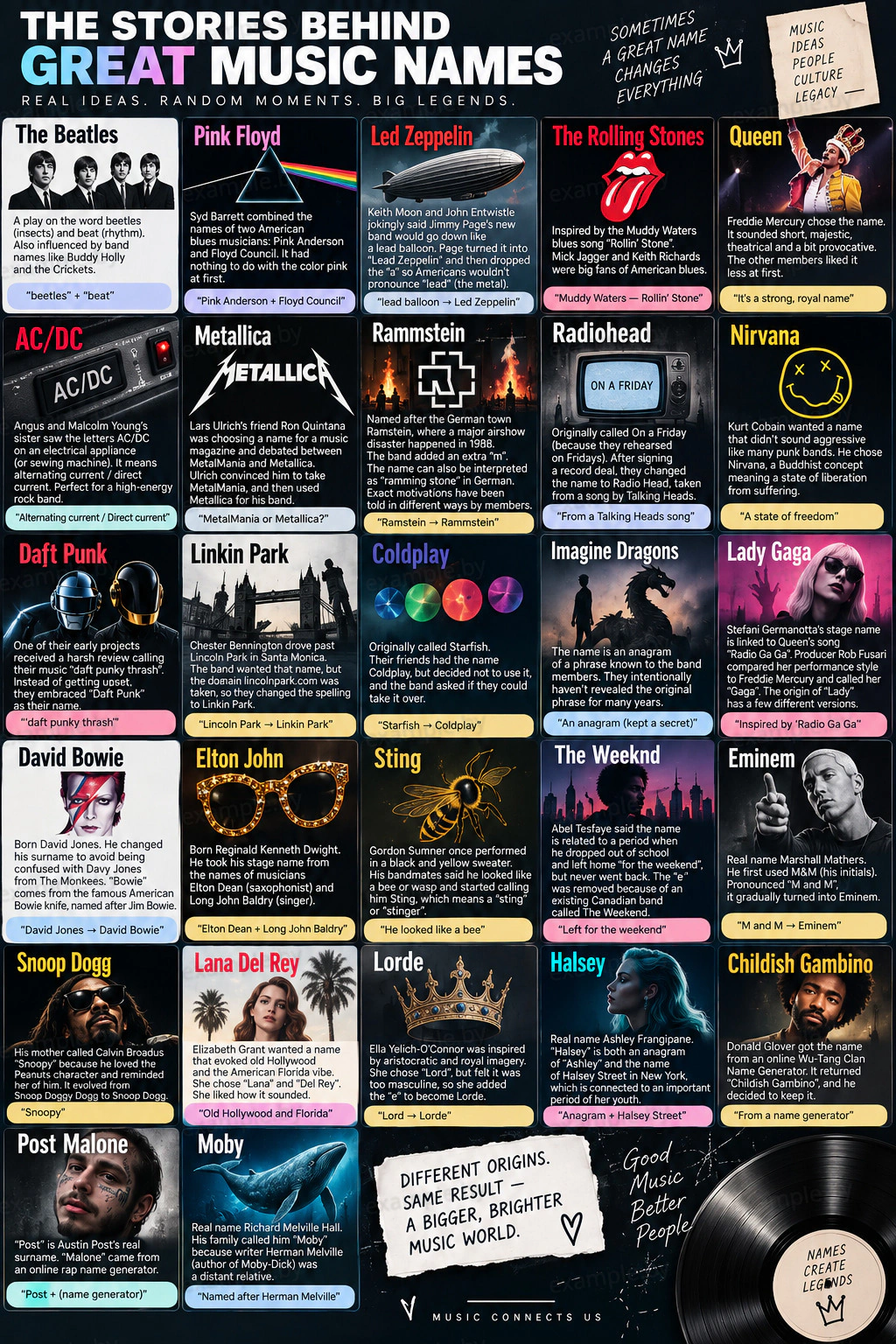 Culture · 13.10.26
How Iconic Bands and Artists Got Their Names
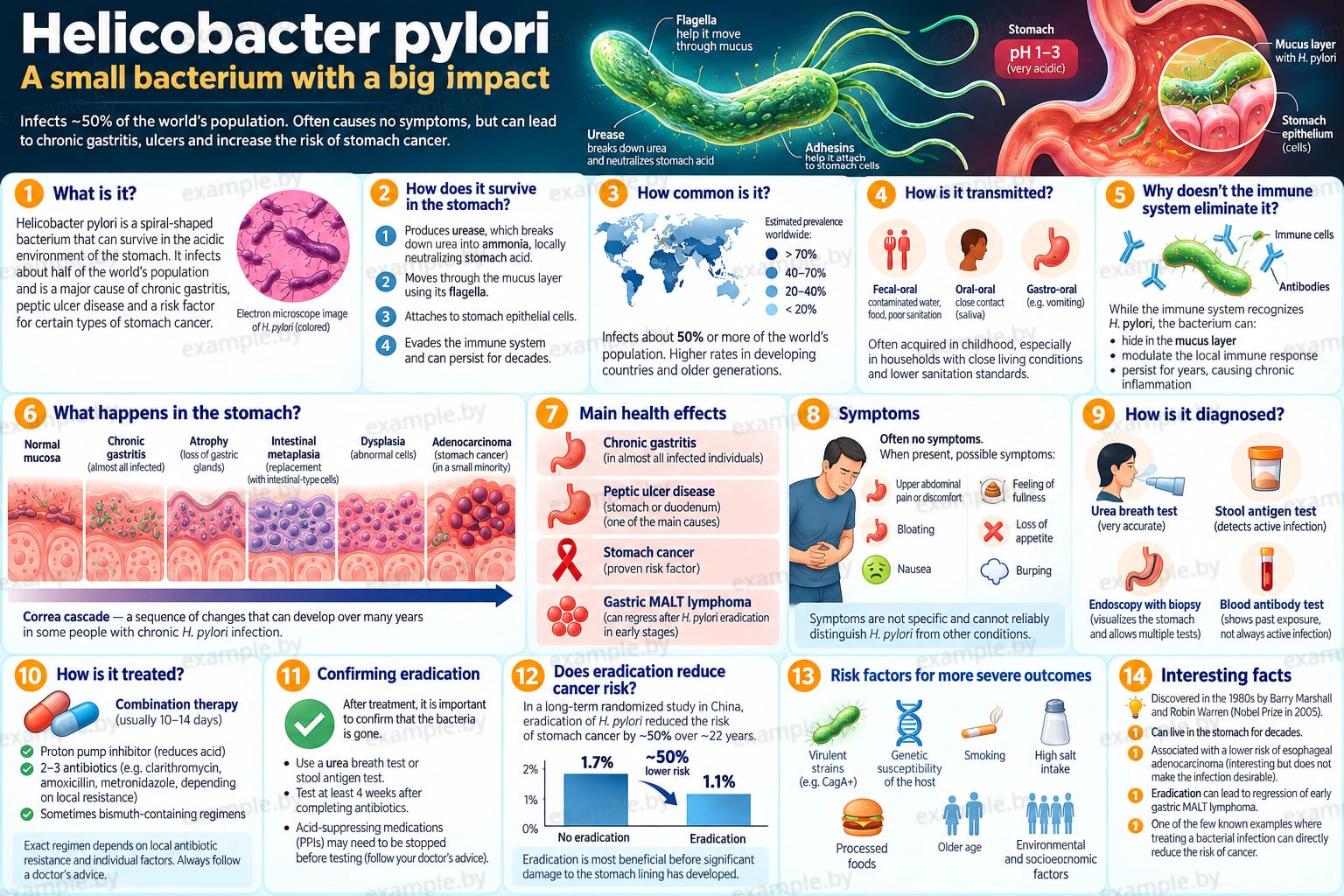 Medicine · 05.10.26
How Helicobacter pylori Survives Stomach Acid
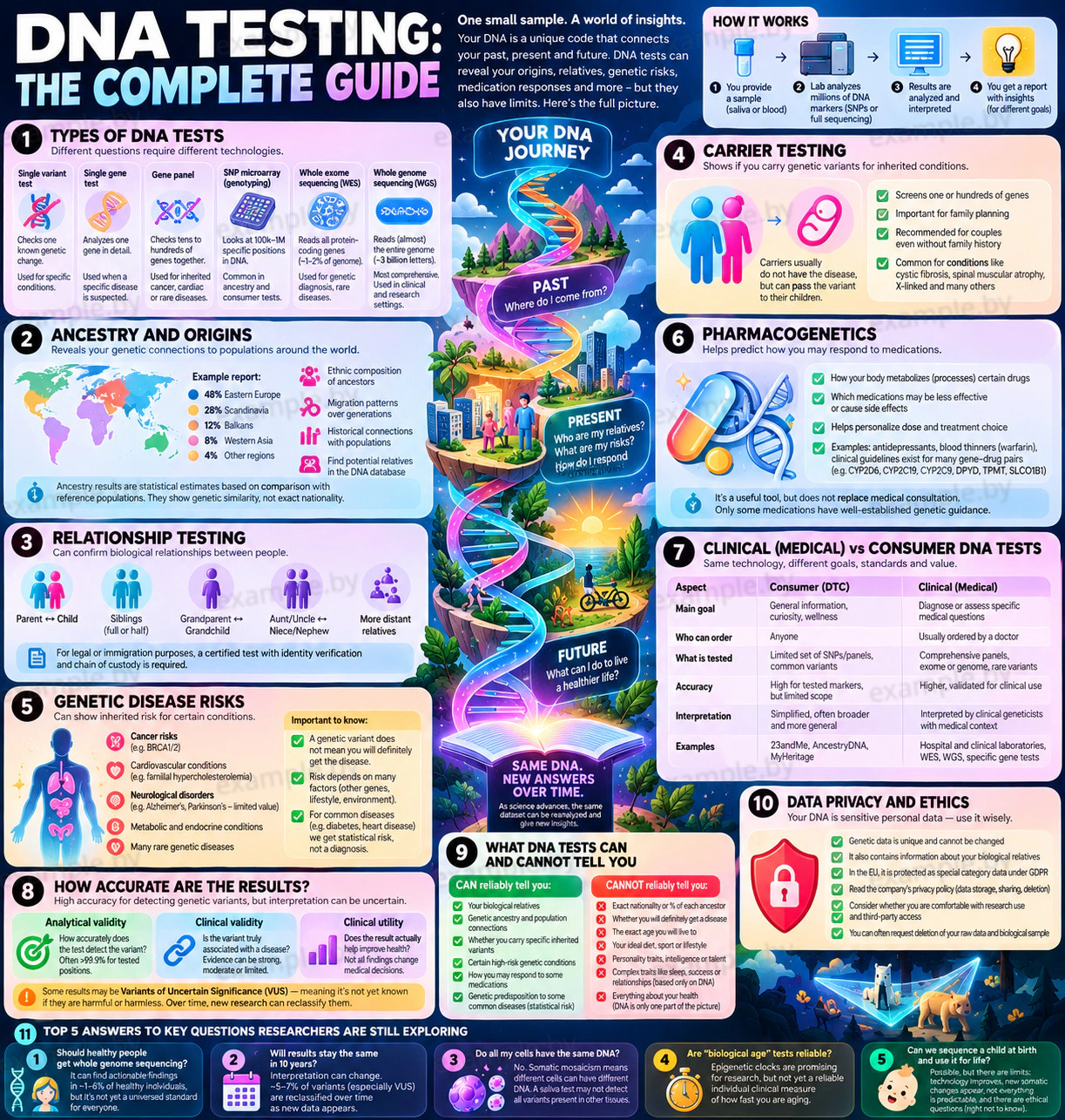 Medicine · 03.10.26
What DNA Tests Can Actually Reveal
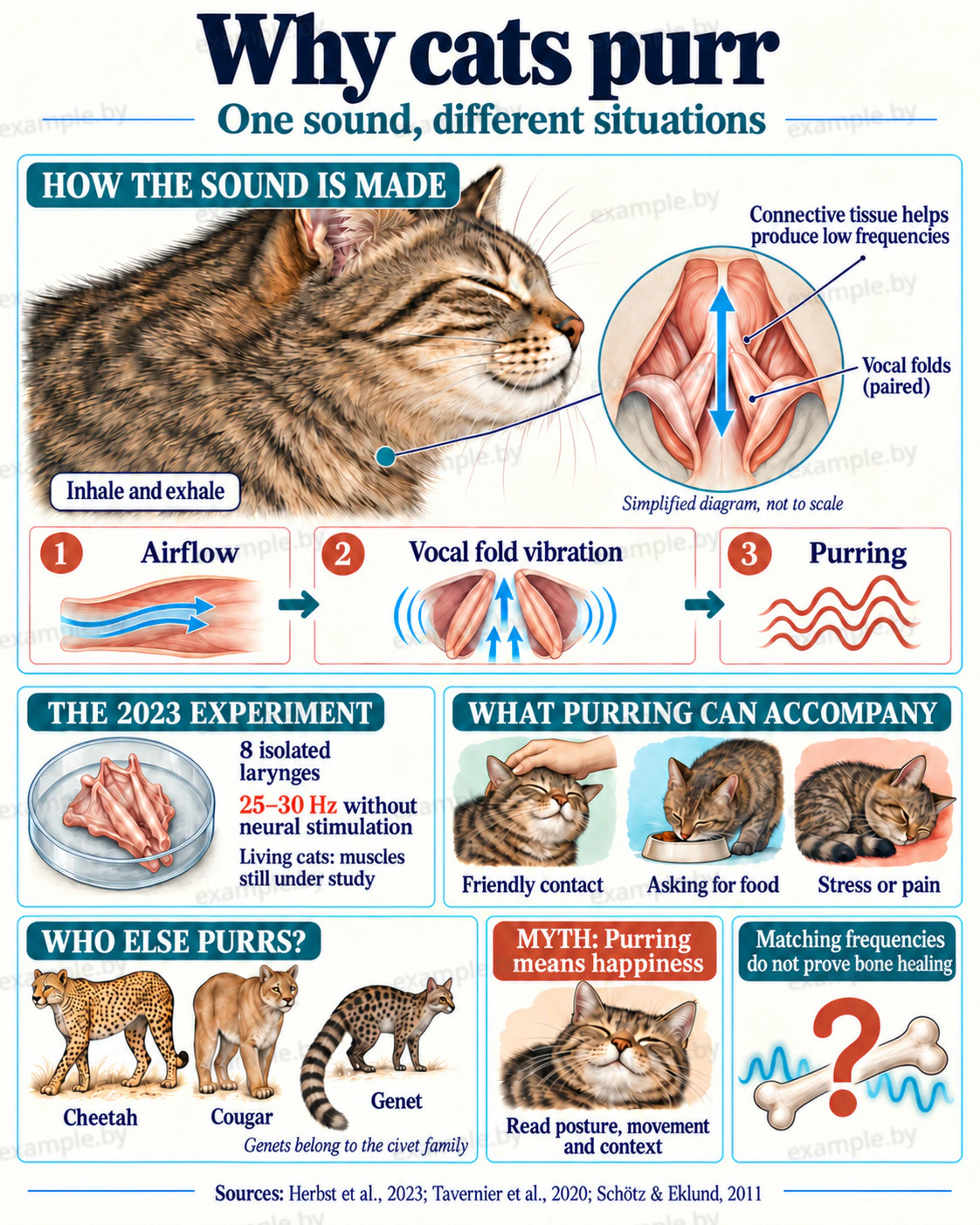 Biology · 19.10.26
Why Cats Purr and What the Sound Really Means
 Body · 18.10.26
The Art of the Pause: How to Speak Calmly and Confidently
More Than a Cap: The Hidden Network Beneath Your Feet
Biology · 17.10.26
More Than a Cap: The Hidden Network Beneath Your Feet
 Technology · 16.10.26
The Life Cycle of a Star: From Nebula to Black Hole
 Body · 15.10.26
Who Pays for Heat: Why a Lizard Can Be Hotter Than a Bird
 Technology · 15.10.26
How Vector Search Works: Chroma, pgvector and Qdrant
 Technology · 13.10.26
How Smart Scales Track Muscle and Water