What DNA Tests Can Actually Reveal
Where genetic testing is nearly infallible, where it offers only statistics, and where pure marketing begins. Plus, why your DNA needs more protection than a password.
- Section
- Medicine
- Date
- Reading
- 24 minutes
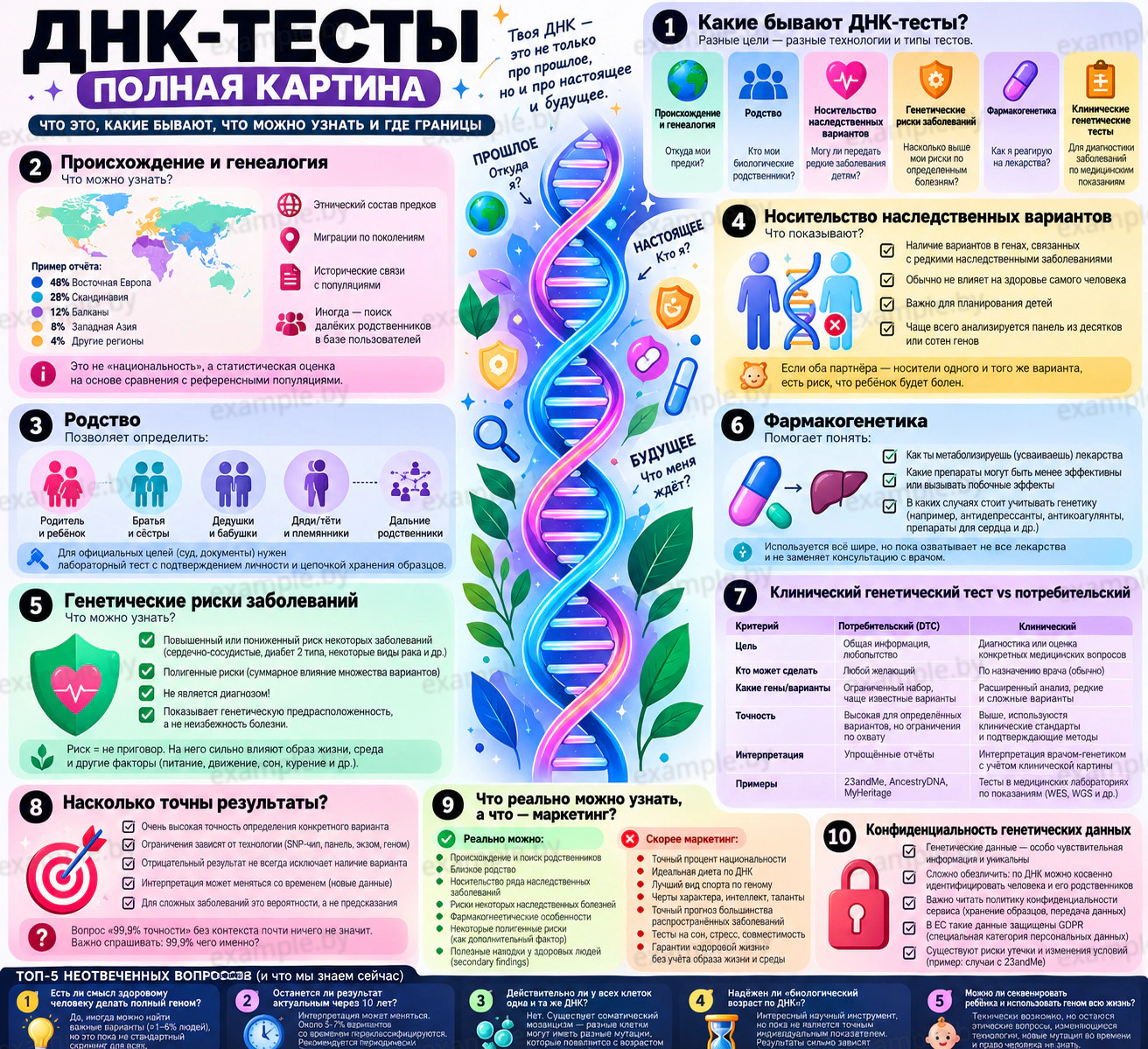
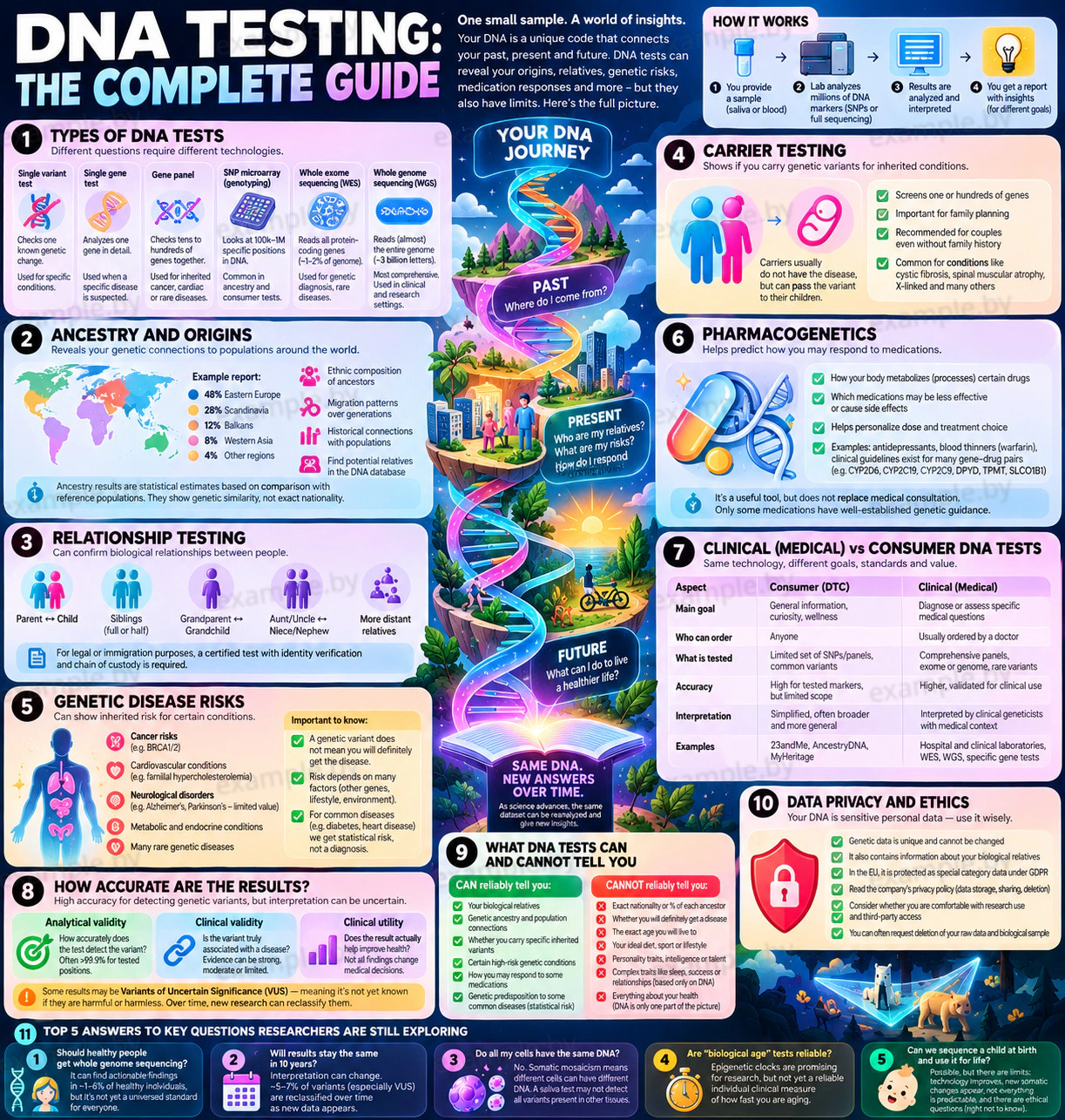
A tube of saliva promises to reveal where your ancestors came from, who your relatives are, what diseases you might develop, and which sports suit you best. DNA answers some of these questions with near certainty, others only statistically, and some not at all. The consumer market's main trap is that the accuracy of reading DNA and the accuracy of predicting your life or health are two entirely different things.
A reputable lab can read a specific genetic variant with high precision. Yet predicting common diseases like diabetes or hypertension remains probabilistic, shaped by age, environment, lifestyle, and family history. Here is what the science actually says, based on guidance from the FDA, NIH/NHGRI, ACMG, ClinGen, CPIC, and European data protection regulations.
In short, the most mature clinical applications today include diagnosing specific rare genetic disorders, carrier screening, certain hereditary cancer and cardiovascular syndromes, and specific gene-drug interactions. By contrast, "ethnicity estimates," polygenic disease scores, tests for nutrition, fitness, and sleep, and especially personality traits require far more skepticism.
One "DNA Test," Many Different Technologies
The phrase "getting a DNA test" lumps together vastly different methods.
Single-variant testing. The lab checks a single predetermined point in the DNA, such as the presence of a specific variant in a given gene.
SNP array, or genotyping microarray. Rather than sequencing the entire genome, it assays hundreds of thousands to a million preselected positions where humans frequently differ. This approach historically underpins most consumer ancestry tests.
Single-gene or multi-gene panel sequencing, covering dozens or hundreds of genes.
Whole-exome sequencing (WES). Reads only the protein-coding portion of the genome, which makes up about 1–2% of total DNA.
Whole-genome sequencing (WGS). Reads nearly the entire genome, roughly 3 billion base pairs.
Structural variant analysis. Deletions, duplications, copy-number variations, and chromosomal rearrangements are detected using other methods, including chromosomal microarray analysis.
This leads to a counterintuitive conclusion: a company might read hundreds of thousands of your genetic positions yet completely miss a rare, dangerous mutation located right next to them (MedlinePlus).
There is another fundamental distinction. Germline genetics analyzes inherited DNA, whereas somatic testing examines alterations that arise over time, such as inside a tumor. A variant identified in a tumor was not necessarily present at birth and is not necessarily passed on to children.
Reading the Letters Is Not the Same as Understanding Them
Even whole-genome sequencing does not mean "we know everything about you." There are three distinct challenges: reading the DNA letters, figuring out which differences from the reference genome carry biological significance, and determining what those findings mean for an individual's health. The second and third are usually far harder than the first.
Clinical genetics classifies variants into five tiers: pathogenic, likely pathogenic, variant of uncertain significance, likely benign, and benign. To make these calls, ClinGen and the ACMG evaluate population data, familial inheritance patterns, and functional and experimental studies.
One category warrants special attention: the VUS, or variant of uncertain significance. It does not mean "probably dangerous"; it means "we don't know yet." The ACMG explicitly states that a VUS should not be used on its own to guide clinical decisions (ACMG). As a result, someone might receive a genome readout with millions of differences from the reference sequence and walk away with relatively little actionable medical information.
Ancestry and Genealogy
There are three primary approaches here.
Autosomal DNA examines the chromosomes inherited from a vast pool of ancestors. It is most useful for finding relatives and tracing relatively recent family history.
Mitochondrial DNA (mtDNA) is passed down exclusively along the maternal line, tracing a single unbroken branch: mother, maternal grandmother, maternal great-grandmother, and so on.
Y-DNA passes from father to son, tracing the direct paternal line. Direct testing is only possible in individuals with a Y chromosome.
What "35% Eastern European, 20% Balkan" Really Means
This is not a measure of nationality. The testing company compares your variants against reference populations—groups of individuals whose ancestry was curated to build a baseline database. If a segment of your DNA is statistically most similar to group A, the algorithm labels it as group A.
In essence, the percentage means: "Given our current database and algorithm, this portion of your genome looks most like this reference population." It does not mean: "Exactly 17.4% of your ancestors lived in modern-day Country X."
Different companies use different reference databases and statistical models, which is why the same person can receive noticeably different breakdowns. As databases expand, results from the same provider are recalculated. Furthermore, as the NIH points out, certain global populations are significantly underrepresented in genomic databases (MedlinePlus).
Where Genealogy Truly Shines
In detecting shared segments of DNA between people. If two users share multiple long, identical segments, their biological relationship can be estimated reliably. For close relatives, this is far more robust than "ethnicity percentages." The more distant the relationship, the more the randomness of genetic recombination comes into play: genuine distant cousins sometimes share surprisingly little DNA.
This power has an unpredictable flip side. Looking for relatives can uncover things you never went looking for: an assumed relative turns out not to be biologically related, previously unknown siblings appear, or an unexpected lineage comes to light. MedlinePlus explicitly lists such unexpected family revelations as a key risk. Once discovered, they cannot be unlearned.
Relationship Testing
This is one of the most mature areas of genetic testing. It can establish parentage, full and half-sibling relationships, grandparent-grandchild connections, avuncular ties (aunt/uncle and niece/nephew), and more complex family links. Professional laboratories examine dozens of markers and calculate statistical likelihood ratios. Their practices are governed by AABB standards, with the current 17th edition effective as of January 2026 (AABB).
However, an at-home informational kit and a legally binding test are entirely different matters. Court cases, immigration petitions, and legal paternity determinations typically require verified participant identity, a documented chain of custody, and testing by an accredited laboratory. How and by whom the sample was collected often matters just as much as the technology used to analyze it.
When a Father Genetically Looks Like an Uncle: Chimerism
Even in relationship testing, rare biological phenomena can leave laboratories baffled. One of the most striking is tetragametic chimerism. This occurs when two fraternal embryos fuse into a single organism at an extremely early stage of development. The resulting individual is born entirely healthy, but their body is composed of cells from two genetically distinct lineages.
Medical literature documents a striking case: a man submitted a standard cheek swab for a paternity test. One cell line (call it Genome A) dominated his saliva and blood. However, a portion of his sperm carried Genome B, inherited from the twin absorbed during early embryonic development. His child was conceived from one of those cells, inheriting half of their DNA from Genome B. When the laboratory compared the child's DNA to the father's saliva, they shared only about 25% of their genetic material. The test reported an avuncular relationship—that of an uncle and nephew. Genetically, the child appeared to be the offspring of an unborn brother, even though physically there was only one father. Only comprehensive testing of sperm and other tissues proved his true paternity.
Making matters even more complex, the man had two sons. The first inherited Genome A and was readily confirmed as his biological child via standard testing; the second inherited Genome B. Between themselves, the brothers shared roughly 37.5% of their DNA, placing them squarely between full siblings (50%) and half-siblings (25%). In 2023, another published case reported a standard blood test falsely excluding paternity due to chimerism until clinicians analyzed DNA from other tissues.
Carrier Screening for Inherited Conditions
This is one of the most valuable medical applications of genetics. Take an autosomal recessive disorder: a person has two copies of a gene; if one copy carries a pathogenic variant while the other functions normally, they are a carrier and typically show no symptoms. But if both parents carry pathogenic variants in the same gene, the risk to their future children changes dramatically. This is how conditions such as cystic fibrosis and spinal muscular atrophy are passed down.
This is the purpose of carrier screening, including expanded carrier screening (ECS), which assays dozens or hundreds of genes at once. The ACMG recommends a standardized, pan-ethnic approach rather than older models that selected test panels based primarily on self-reported ancestry (PubMed).
A critical caveat: a "negative" result does not mean you are definitively not a carrier. There is always residual risk. Some tests screen only for the most common variants in a gene, even when hundreds of rare variants exist. Moreover, certain conditions require specialized testing methods: the underlying issue may not be a single base substitution, but copy-number variations, large deletions, or repetitive sequence expansions.
Disease Risk: One Gene vs. Thousands
Monogenic Risk
In some cases, a single pathogenic variant dramatically alters health risks. Classic examples include hereditary cancer predisposition genes (such as BRCA1/2), familial hypercholesterolemia, certain cardiomyopathies, and rare neurological disorders.
Yet even here, harboring a variant does not guarantee illness. There is penetrance—the likelihood that a carrier will actually manifest the disease. There is also variable expressivity, the influence of modifier genes, biological sex, age, environmental exposures, and numerous unknown factors. The deterministic formula "you have the mutation, so you will get the disease" is exceedingly rare in clinical genetics.
BRCA: "Negative" Does Not Mean "Cleared"
Consumer tests often screen for only a small, preselected subset of BRCA variants. The FDA explicitly warns that even authorized direct-to-consumer BRCA tests evaluate only a fraction of known mutations, and a negative result does not rule out other pathogenic variants (FDA). Comprehensive clinical sequencing of BRCA1 and BRCA2 is fundamentally different from genotyping a few dozen variants, even if both are marketed as a "BRCA test."
Common Diseases and Polygenic Risk Scores
Type 2 diabetes, coronary artery disease, hypertension, and obesity are rarely caused by a single faulty gene. Instead, susceptibility is influenced by thousands of variants, each exerting a minuscule effect. This gave rise to polygenic risk scores, or PRS.
An algorithm might indicate that a person carries more risk-associated variants than 90% of the reference cohort. This does not mean they have a 90% chance of developing the disease. A PRS alone does not account for age, diet, smoking, blood pressure, weight, infections, medications, or environment; the NHGRI emphasizes that it captures only one component of overall risk (Genome.gov).
Transferability is another major hurdle. Genome-wide association studies (GWAS) have historically been conducted primarily on cohorts of European ancestry, meaning these models often perform noticeably worse in other populations. In 2026, this disparity remains an ongoing challenge. While PRS holds immense promise for future preventive medicine, commercial reports frequently present conclusions with a level of certainty unsupported by the underlying science.
The Most Important Number in the Report
Genetic effects vary widely in scale: some are nearly deterministic, others multiply risk severalfold, some add only a few percentage points of relative risk, and others are detectable only across cohorts of hundreds of thousands. Some reported correlations replicate poorly or not at all.
That is why it is essential to look at absolute risk. A headline stating that your "risk is increased by 50%" sounds alarming. But if the baseline risk in the population is 0.2%, a 50% relative increase brings it to roughly 0.3%, not 50%. Marketing materials routinely exploit the confusion between relative and absolute risk.
Pharmacogenetics: Real Medicine, but Highly Targeted
This field rests on far firmer ground than most "DNA wellness" products. Specific genetic variants directly alter the activity of enzymes responsible for metabolizing or transporting drugs, or influence the likelihood of adverse drug reactions. Well-studied clinical targets include CYP2D6, CYP2C19, CYP2C9, DPYD, TPMT, UGT1A1, SLCO1B1, and specific HLA alleles.
The Clinical Pharmacogenetics Implementation Consortium (CPIC) publishes peer-reviewed guidelines for specific gene-drug pairs. CYP2D6, for instance, features prominently in clinical guidance for certain opioids, antidepressants, atomoxetine, and other therapies (CPIC). The FDA maintains a dedicated table of pharmacogenetic associations categorized by the strength of evidence: some have actionable prescribing recommendations, while for others evidence shows only altered drug concentrations without proven clinical outcome improvements (FDA).
An honest report will state: "This genotype may alter the metabolism of this specific medication." Marketing copy promises: "We will find the perfect medications for you." The latter claim far exceeds what genetics can deliver, and no pharmacogenetic test should ever replace a physician's clinical judgment.
Direct-to-Consumer vs. Clinical Testing
This is perhaps the single most crucial distinction in the entire field. A consumer test begins with the question: "What interesting things can we find in this DNA?" A clinical test starts with: "What specific medical hypothesis are we confirming or ruling out?"
Criteria | Direct-to-Consumer (DTC) | Clinical |
|---|---|---|
Purpose | General information, curiosity, wellness | Answering a specific medical question |
Ordered by | Anyone interested | Usually a physician or healthcare provider |
What is tested | A limited set of SNPs, common variants | Method tailored to the question: specific variant, gene, panel, copy number analysis, exome, genome |
Interpretation | Simplified automated reports | Medical geneticist integrating family and clinical history, standardized variant classification |
Examples | 23andMe, AncestryDNA, MyHeritage | Hospital and clinical diagnostic labs: WES, WGS, targeted gene assays |
The FDA outlines three distinct concepts worth keeping in mind:
Analytical validity: Does the test accurately detect the specific genetic variant?
Clinical validity: How strongly is this variant linked to the disease or trait?
Clinical utility: Does knowing the result improve patient diagnosis, prevention, or treatment?
These three levels can diverge drastically. The analytical validity of identifying a SNP might exceed 99.9%, while the clinical utility of a report declaring "your DNA favors a Mediterranean diet" may be essentially zero.
How Accurate Are the Results?
This question cannot be answered with a single percentage. It breaks down into four separate questions:
Was the DNA letter read correctly? In a high-quality clinical test, technical accuracy can be exceptionally high.
Were all relevant pathogenic variants screened? An entirely different issue: a SNP array will accurately call its targeted positions while missing a rare, critical variant not included on the chip.
Was the variant correctly classified? Scientific consensus evolves: a VUS today might be reclassified as benign or pathogenic years down the road.
Does it accurately predict disease? For complex, multifactorial conditions, uncertainty is far higher.
As a result, claims that a test is "99.9% accurate" mean very little on their own. The essential question is: 99.9% accurate at doing what?
The Perils of "Raw Data"
Many consumer services allow users to download files containing hundreds of thousands of raw genotypes, while third-party websites offer to interpret them for "dangerous mutations." In a widely cited study evaluating variants from these downloaded files that patients brought to a clinic for confirmation, 40% of the findings turned out to be false positives (PMC). This does not mean 40% of all consumer data is inaccurate; the cohort was heavily skewed toward suspicious clinical findings. Still, the lesson is clear: medical decisions should never be made based on automated third-party interpretation of raw data. Moreover, once downloaded, the file is no longer protected by the original platform's privacy policy, and uploading it to third-party tools introduces new vulnerabilities.
What Science Can Tell You vs. What Is Marketing
If you evaluate genetic testing not by novelty, but by the reliability and clinical meaning of the findings, the picture looks roughly like this:
Domain | Reliability |
|---|---|
Specific genotype via an appropriately selected clinical method | Very high |
Close biological relationships | Very high |
Confirmed monogenic diseases and carrier screening (appropriate gene and method) | High |
Pharmacogenetics | Moderately high for specific validated drug-gene pairs |
Relative matching and geographic ancestry | Useful, but inherently statistical |
Polygenic risk scores for common diseases | Promising, but far more probabilistic |
Ideal diet, workout, sleep schedule, career, or personality via DNA | Weakest |
MedlinePlus groups diet, fitness, weight, and sleep panels under "lifestyle tests" and warns that testing companies often bundle these results with paid personalized programs and products.
The typical marketing sleight of hand works like this: a legitimate scientific association is inflated into an overreaching personal conclusion. A variant statistically associated with slightly altered caffeine metabolism is turned into "an algorithm that calculates your DNA's ideal daily cup count." A modest statistical correlation with BMI becomes a "genome-tailored weight-loss plan." A slight link to muscle fiber types is billed as finding your "ideal sport." The underlying association in the first half of the pitch may be real science, but the commercial promise in the second half races miles ahead of the evidence.
A useful checklist for any genetic test: What exactly does it measure? How reliably? What does a finding actually mean? And does it lead to any meaningful, actionable change? If a company only provides detailed answers to the first question before pivoting directly to colorful wellness reports, treat the claims with skepticism.
Privacy: You Cannot Change Your Genome
You can change a password or cancel a credit card. You cannot reissue your genome. And your genetic code reveals information not just about you, but also about your parents, siblings, and extended family.
The NIH emphasizes that genomic data is exceptionally difficult to truly de-identify: identical twins aside, a DNA sequence is uniquely yours, and cross-referencing it with genealogical and public databases can easily re-identify an individual (Genome.gov). Simply stripping away your name does not make your genome anonymous.
In the European Union, genetic data is classified as a special category of personal data under the GDPR, alongside medical and biometric data. Its processing is prohibited by default unless specific legal grounds are met, such as explicit consent or qualified public health and scientific research exemptions with strict safeguards. While this provides meaningful legal protection, it regulates obligations and rights; it does not eliminate the technical risks of a data breach.
For this reason, a DNA service's privacy policy requires far closer reading than that of a standard app. What matters is not the boilerplate phrase "we do not sell your data," but clear answers to the following questions:
Is your saliva sample stored after processing, and can you request its destruction?
Can you delete your raw genotype files and withdraw consent for future research?
Is data shared with third-party contractors or transferred across borders?
What happens to your data if the company is acquired or goes bankrupt?
Is relative-matching enabled by default?
Can commercial and research partners access de-identified data?
The question of corporate acquisition is not merely theoretical. 23andMe filed for bankruptcy in March 2025, prompting the US Federal Trade Commission to issue explicit warnings regarding the privacy risks of transferring vast repositories of genetic data during asset sales (FTC). In July 2026, US state attorneys general reached a settlement over claims stemming from a 2023 breach that compromised the data of approximately 6.9 million users. By that time, the company's assets, including user data, were being transitioned to a new entity subject to heightened privacy mandates. When you choose a genetic service, you have to consider what will happen to your data years into the future.
Five Questions Science Is Still Working to Answer
1. Should a Healthy Person Sequence Their Whole Genome?
Whole-exome or whole-genome sequencing occasionally uncovers secondary findings: pathogenic variants unrelated to the original reason for testing, but medically actionable for prevention. The ACMG maintains an annually updated list of genes where such findings warrant medical follow-up, surveillance, or intervention.
These findings are not as rare as one might think: clinical studies report medically actionable secondary findings in roughly 1% to 6% of participants, with the UK Biobank observing approximately 2% and another large clinical cohort finding around 2.5% (PMC). This means that a few out of every 100 apparently healthy individuals may learn medically important information. However, WGS is far from becoming a universal screening tool: serious questions remain regarding the financial costs of downstream follow-up, false alarms, incomplete penetrance, VUSs, and whether population-scale genomic screening actually reduces overall mortality.
2. Will the Result Mean the Same Thing in 10 Years?
Not necessarily. While your inherited sequence remains largely fixed, our understanding of it changes constantly. In a study encompassing more than 3.27 million individuals and over 2 million unique variants, roughly 94,000 variants—or 4.6% of the total—were reclassified over an eight-year period (PubMed). In another major dataset, 37,699 out of 512,983 VUSs (about 7.3%) were reclassified: roughly 80% were downgraded to benign, and around 20% were upgraded to pathogenic. The average time to reclassification spanned several years.
Fresh insights emerge as more individuals and families are tested, functional experiments are completed, RNA assays are performed, and population databases expand. A 2024 study demonstrated that family-based testing led to the reclassification of at least one VUS in approximately a quarter of cases. The takeaway: a genetic test is not a one-and-done readout. The raw sequence data may hold up, but the medical interpretation requires periodic updates.
3. Do All Cells in the Body Share the Same DNA? Mosaicism and Chimerism
No. Genetically distinct populations of cells coexist within a single human body more often than commonly assumed, arising through fundamentally different biological mechanisms.
The first mechanism is somatic mosaicism. Every human starts as a single fertilized egg (a zygote). Across countless subsequent cell divisions, random errors inevitably creep into the DNA. As a result, an adult organism becomes a mosaic of slightly diverging cell lineages: a mutation might exist in skin or saliva cells while being completely absent from blood or germline tissue. With advancing age, this is compounded by clonal hematopoiesis, where a single mutated blood stem cell proliferates more aggressively, flooding the bloodstream with its clones.
The second mechanism is chimerism. While mosaicism involves distinct genomes originating from a single zygote, a chimera forms when two separate zygotes fuse into one organism during early embryonic development.
For assessing inherited germline variants, a saliva sample is usually sufficient. But when mosaicism or chimerism is suspected, the choice of tissue becomes paramount: in a study of patients with syndromic neurodevelopmental conditions, mosaic chromosomal alterations were identified in saliva in several cases where they were completely undetected in blood (Nature). It is more accurate to say not "we sequenced your DNA," but "we sequenced the DNA of specific cells at a specific moment in time."
4. Can You Trust "Biological Age" Tests?
These fall under epigenetics: rather than reading the sequence of DNA letters, they measure chemical tags attached to them, primarily DNA methylation. These methylation patterns shift predictably with age, forming the foundation of epigenetic clocks like the Horvath and Hannum clocks, PhenoAge, GrimAge, DunedinPACE, and dozens of commercial offshoots. Across large populations, these models are genuinely informative: specific patterns correlate with morbidity and all-cause mortality.
However, individual declarations like "you are chronologically 37, but biologically 42" are far less reliable. A comprehensive 2025 review concluded that epigenetic clocks do not yet meet the stringent criteria required for an individual clinical biomarker, hampered by tissue variability, sample preparation discrepancies, algorithmic noise, and differences in data processing (PMC). One test might tell you that you are 34 while another test on a similar sample says 40—both can still be scientifically valid at a population level. Marketing claims promising that you "reversed your age by 3.7 years through dietary changes" remain far ahead of the clinical evidence.
5. Can a Baby Be Sequenced at Birth for Lifelong Use?
The premise is enticing and partly plausible: sequence a high-quality genome once and re-analyze it as scientific understanding evolves over a lifetime. But four major challenges stand in the way:
Technology evolves. Even high-quality WGS struggles with certain complex genomic regions, repetitive sequences, and structural variants. In a decade, newer sequencing technologies will read what current methods miss.
Genomes are not static. Somatic mutations that develop over the next 50 years cannot be detected in a newborn's genome.
The genome is not all of biology. The epigenome, immune system, microbiome, metabolome, gene expression levels, and proteome change continuously. DNA provides the blueprint, not the current operational state of the body.
The right not to know. If sequencing reveals a variant predisposing a child to an adult-onset disease for which no early intervention exists, should that information be disclosed? Clinical genetics has historically exercised extreme caution regarding predictive testing in minors for adult-onset conditions, with the ACMG emphasizing the developing autonomy of the child or adolescent as they mature. While exceptions exist for medically actionable pediatric findings, the ethical boundaries remain actively debated.
The Bottom Line: Value Is Shifting to Interpretation
Stripped of marketing hype, DNA tests are not a single "genetic passport" but a diverse suite of distinct tools. They excel at finding relatives and provide intriguing, though statistical, windows into ancestral origins. Legal and clinical relationship testing is exceptionally robust. Clinical carrier screening delivers actionable insights for family planning. For hereditary conditions, genetics can identify profound risks, though actual outcomes hinge on the specific gene, variant, and penetrance. For common chronic diseases, genetics usually offers only another layer of statistical probability. Pharmacogenetics provides tangible clinical value for validated drug-gene pairs. Meanwhile, DNA-based tests for diet, fitness, sleep, and personality traits remain far more marketing than medicine.
The traditional model of "spit in a tube, get a final report" is gradually giving way to another paradigm: your genome as an enduring dataset that medicine will consult and re-evaluate throughout your life. Reading 3 billion letters is becoming routine. The true challenge lies in determining which of millions of variations matter for a specific person, at a specific age, with their unique family history and environment. Science is still a long way from solving that puzzle. And there is one cost that is easy to overlook: your genetic data is among the most permanent things you will ever hand over to a company.
Liked it? Save it for later.
 Medicine · 05.10.26
How Helicobacter pylori Survives Stomach Acid
 Medicine · 11.10.26
Why Gums Bleed and Where the Real Danger Begins
 Medicine · 11.10.26
How Life Begins: From Conception to IVF
 Body · 10.10.26
Skin Pigmentation: How Cells Talk to the Sun
 Medicine · 05.10.26
How HPV Can Lead to Cancer Decades Later
 Medicine · 03.10.26
Heartburn: Why Stomach Contents Flow Back Up
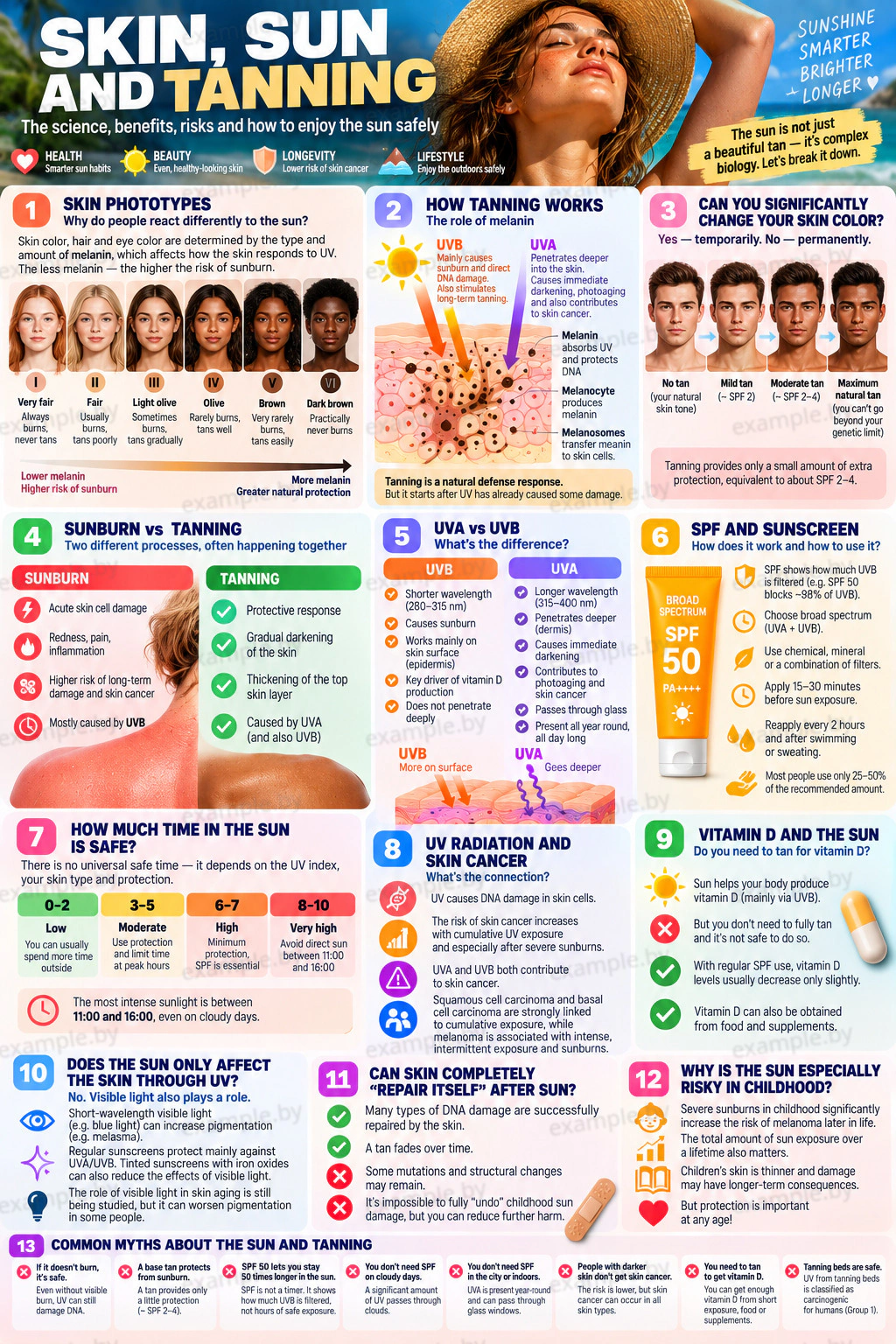 Body · 03.10.26
The Science of Tanning: Why There Is No Safe Tan
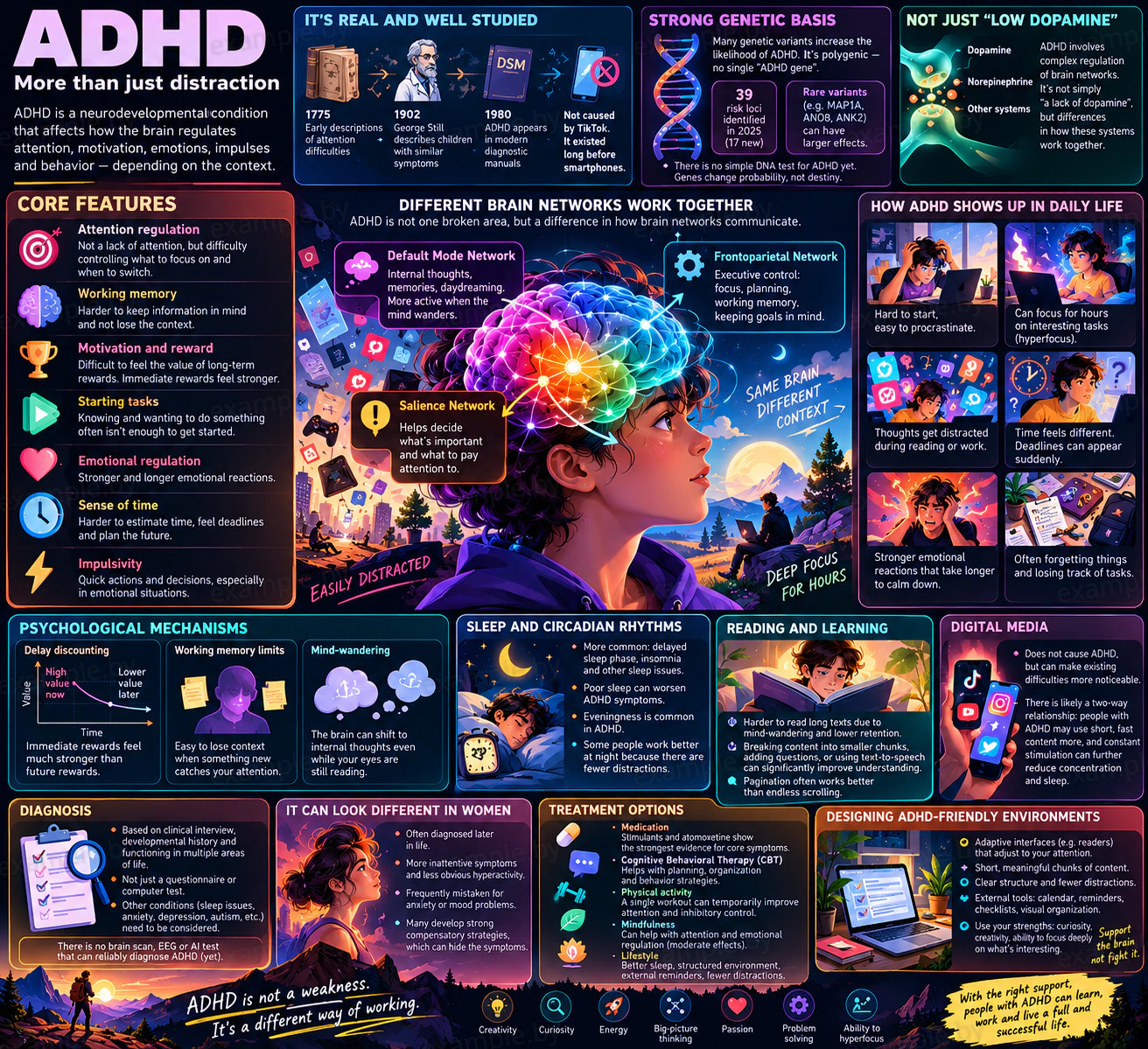 Medicine · 03.10.26
ADHD: Why It Is Not an Attention Deficit
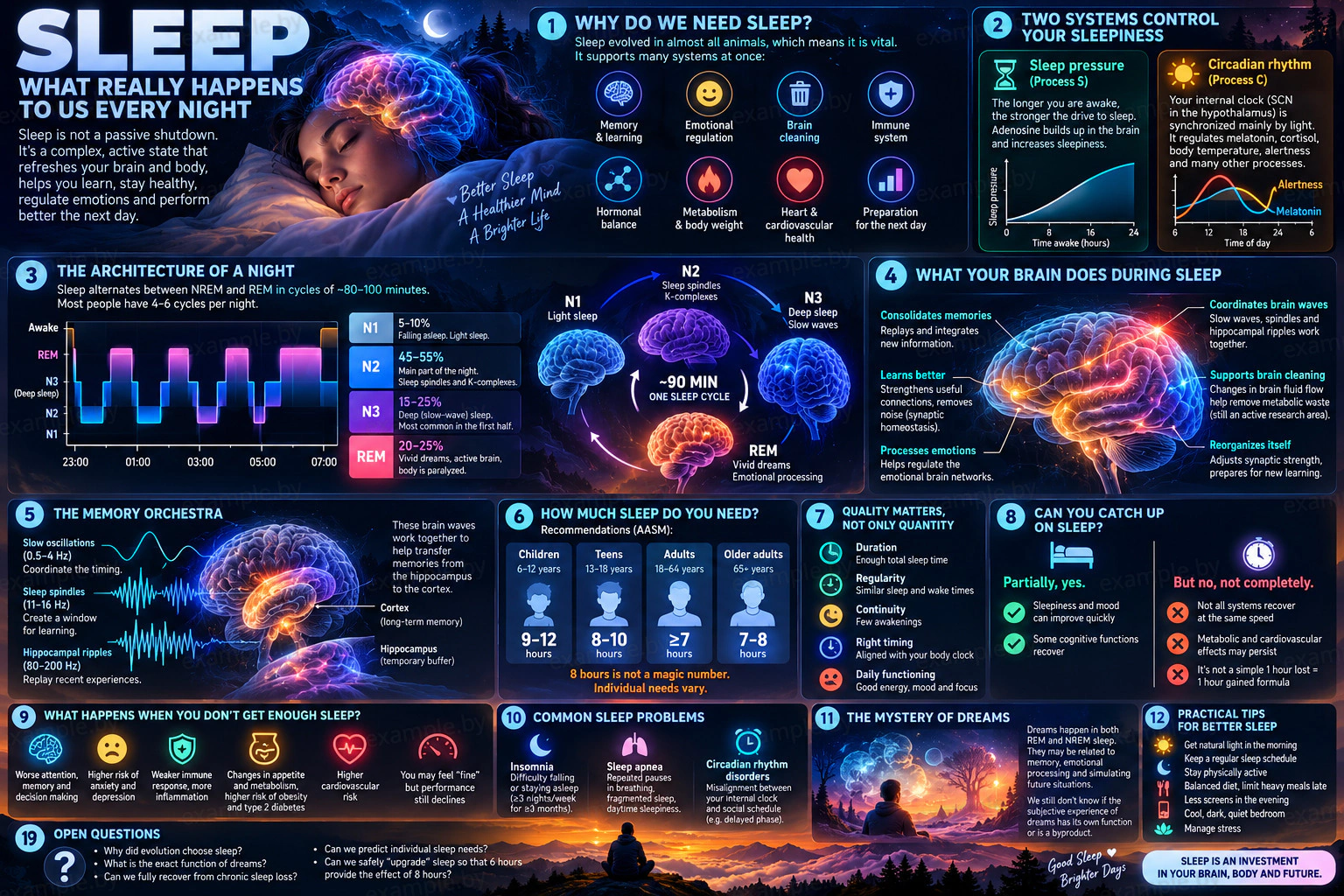 Medicine · 03.10.26
Sleep: What Really Happens to Us Every Night
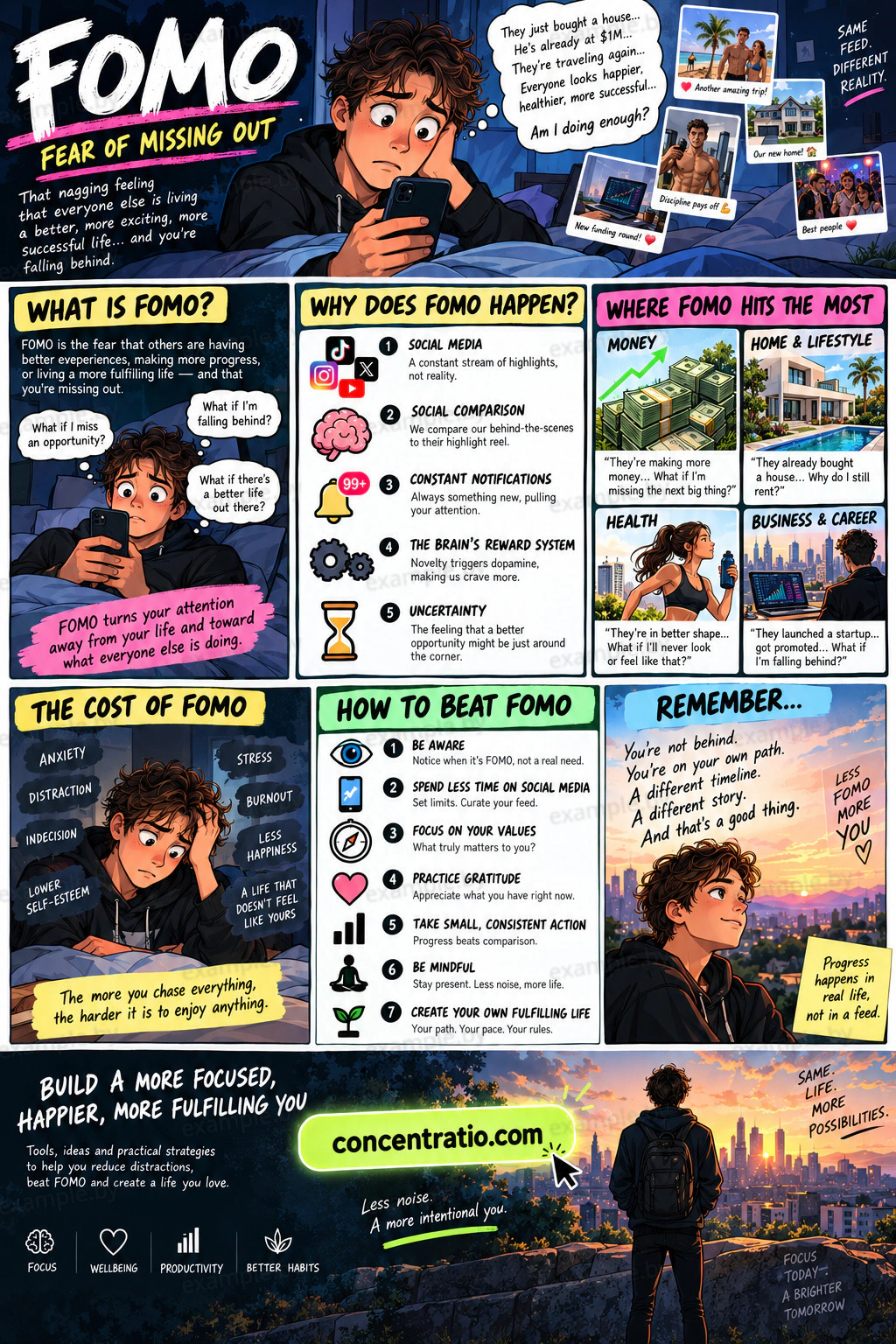 Medicine · 03.10.26
FOMO: Why Everyone Seems to Be Doing Better Than You
 Culture · 27.10.26
Why One Family Can Have Different Surnames
 Biology · 19.10.26
Why Cats Purr and What the Sound Really Means