Heartburn: Why Stomach Contents Flow Back Up
Why heartburn isn't just about excess acid, why omeprazole doesn't work for everyone, and which daily habits actually trigger reflux.
- Date
- Reading
- 23 minutes
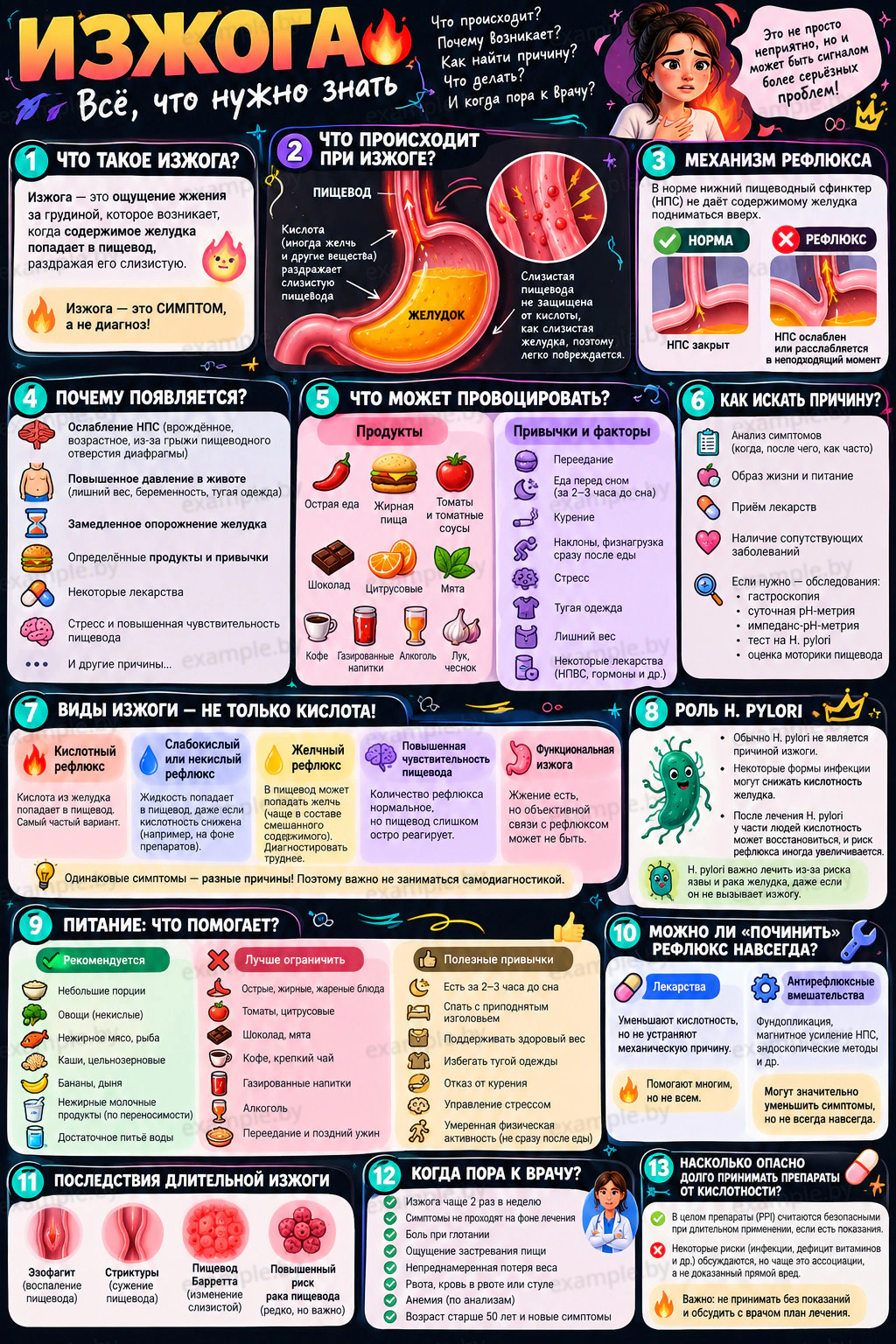
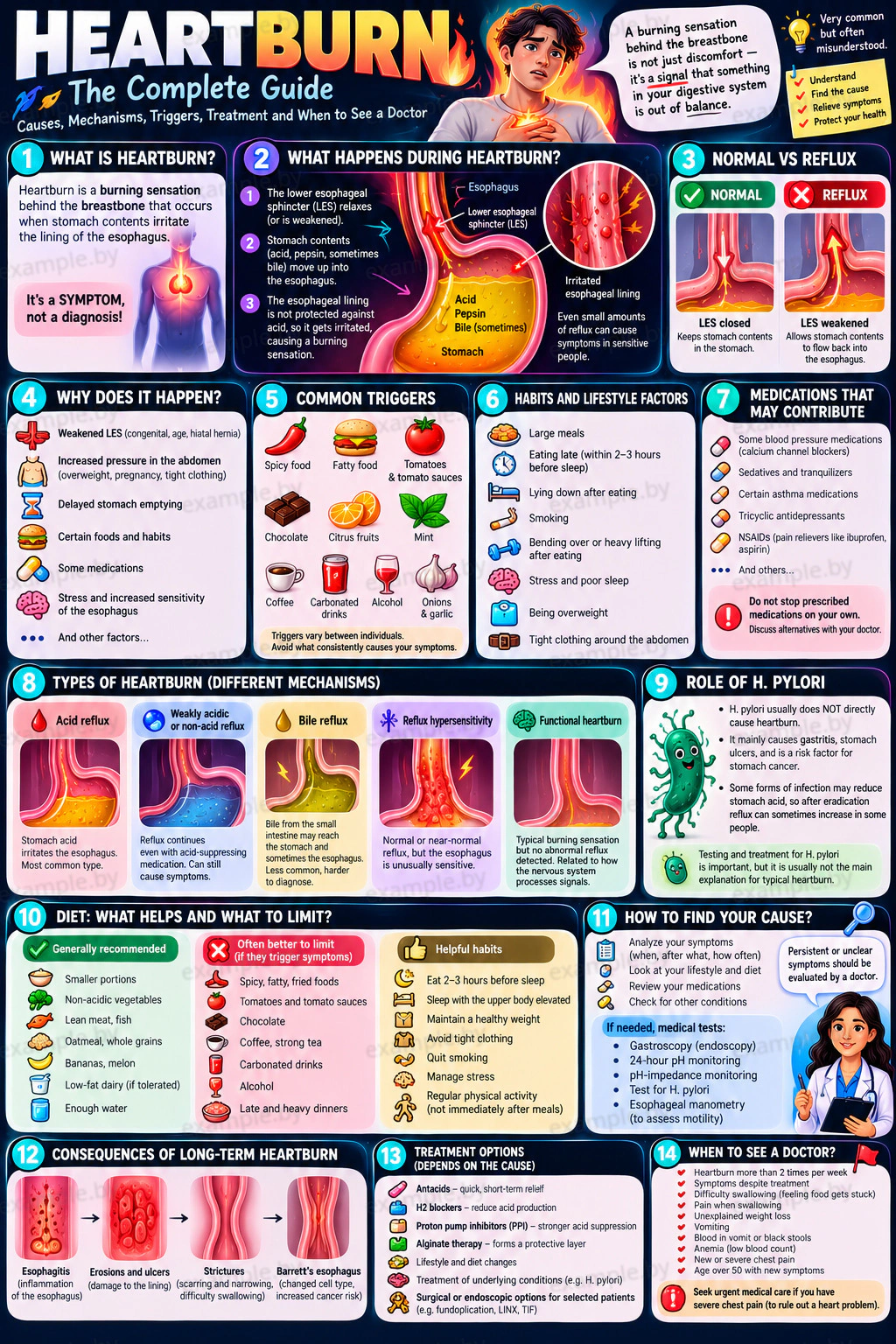
Heartburn and GERD are not the same thing. Heartburn is a symptom—a subjective burning sensation—while gastroesophageal reflux disease (GERD) is diagnosed when reflux regularly causes bothersome symptoms or damages the esophageal mucosa. The main problem is usually not that the stomach produces too much acid, but that its contents end up where they do not belong.
Classic heartburn feels like a burning sensation behind the breastbone, often starting lower down and radiating upward. It is sometimes accompanied by regurgitation: the feeling of fluid or food rising into the throat or mouth. (NIDDK)
It is crucial to distinguish between three concepts here:
Reflux is the actual physical movement of stomach contents upward into the esophagus.
Heartburn is the subjective burning sensation.
GERD is gastroesophageal reflux disease, a condition where reflux regularly causes bothersome symptoms or esophageal damage. (NIDDK)
Consequently, all three scenarios are possible:
reflux present → no symptoms
reflux present → heartburn present
near-normal reflux → severe heartburn due to esophageal hypersensitivity
The last scenario is especially important and frequently overlooked.
1. What Physically Happens During Heartburn
Picture the digestive tract as a continuous tube:
esophagus → lower esophageal sphincter → stomach
The stomach maintains a highly acidic environment essential for digestion.
It shields itself with a specialized mucosal barrier.
The esophagus, however, possesses virtually no such protection.
Between them sits a complex anti-reflux barrier composed of the lower esophageal sphincter, the diaphragm, the anatomical geometry of the gastroesophageal junction, and esophageal peristalsis.
When this barrier temporarily relaxes or fails to function properly:
stomach → contents surge upward → enter the esophagus.
And irritation follows.
The modern understanding of GERD goes far beyond the simplistic notion of "acid burning the esophagus." Tissue damage and symptom generation involve acid, pepsin, sometimes bile acids, mucosal contact time, reflux volume, gas presence, and the sensitivity of esophageal nerve endings. (PubMed)
2. Why the Stomach Allows Contents to Escape Upward
The central player is the lower esophageal sphincter (LES).
Most of the time, it stays tightly closed.
When you swallow, it relaxes for a few seconds:
food travels down ↓
sphincter opens
food enters stomach
sphincter closes
Yet there is another entirely normal physiological event:
Transient Lower Esophageal Sphincter Relaxation
Known as TLESR, this relaxation occurs independently of swallowing.
It is a physiological reflex that allows the stomach to vent swallowed air—in other words, it enables burping.
The trouble begins when gastric contents hitch a ride with that vented air through the open sphincter.
TLESRs are considered one of the primary mechanisms behind gastroesophageal reflux. (PubMed)
3. Why Heartburn Strikes Most Often After Eating
Several processes unfold simultaneously after a heavy meal.
The stomach distends.
This distension triggers more frequent TLESRs.
On top of that, an acid pocket—an unbuffered, highly acidic layer of gastric juice—forms at the top of the stomach reservoir, right near the gastroesophageal junction.
This creates an ideal storm for reflux:
full stomach + pocket of acid perched beneath the sphincter + transient sphincter relaxations.
Lying down, bending forward, or abruptly raising intra-abdominal pressure at this point sharply increases the likelihood of stomach contents leaking upward. (PubMed Central (PMC))
4. Why Lying Down After a Meal Is Especially Bad
When you stand or sit upright, gravity helps keep gastric contents anchored at the bottom of the stomach.
The moment you recline, that gravitational advantage disappears.
For this reason, ACG guidelines advise people prone to GERD to avoid eating for roughly 2 to 3 hours before lying down to sleep. (PubMed Central (PMC))
Interestingly, body posture in bed matters just as much.
Studies show that sleeping on your left side significantly reduces reflux compared to sleeping on your right side. This comes down to the anatomical orientation of the stomach and the gastroesophageal junction relative to the pool of gastric liquid. (PubMed Central (PMC))
Elevating the head of the bed or using a wedge pillow can also substantially alleviate severe nighttime reflux.
5. Hiatal Hernia
This is a major anatomical contributor to chronic reflux.
Normally, the muscular diaphragm acts as an external clamp, reinforcing the esophageal sphincter at the junction between the esophagus and stomach.
With a hiatal hernia, the upper portion of the stomach slides upward through the diaphragmatic hiatus into the chest cavity.
This anatomical displacement disrupts the mechanical integrity of the anti-reflux barrier.
Having a hernia does not automatically mean a person will suffer from GERD.
However, it increases the probability of reflux and can make episodes noticeably more severe. (NIDDK)
6. Why One Person Has Reflux Without Heartburn, While Another Has the Opposite
This is where modern gastroenterology gets most intriguing.
The severity of symptoms is not merely a reflection of how much acid enters the esophagus.
Clinicians recognize at least three distinct phenotypes.
True Pathological Reflux
Acidic gastric contents enter the esophagus with abnormal frequency or linger there for an excessive amount of time.
Reflux Hypersensitivity
The total volume and duration of reflux fall within normal physiological limits, yet the esophagus is abnormally sensitive to individual, otherwise harmless events.
Functional Heartburn
A person experiences classic burning sensations, yet diagnostic monitoring reveals neither abnormal acid exposure nor any temporal link between symptoms and reflux episodes.
This explains why acid-suppressing drugs fail to bring relief to everyone presenting with heartburn. The AGA highlights that a substantial proportion of patients with presumed GERD do not experience the expected response to acid suppression. (PubMed)
7. Can Stress Cause Heartburn?
Yes, though the mechanism is more nuanced than commonly assumed.
Stress does not necessarily trigger an overwhelming surge in acid production.
Instead, it fundamentally alters how the central nervous system processes esophageal signals.
The brain begins to amplify mild sensations that would go completely unnoticed under ordinary circumstances.
Modern models of GERD account for:
central sensitization, visceral hypersensitivity, hypervigilance to esophageal cues, and altered gut-brain axis signaling. (PubMed)
As a result, perceived symptom severity often decouples from actual physical tissue damage.
One person might present with severe erosive inflammation and very few complaints.
Another might have an endoscopically pristine esophageal lining while suffering from debilitating burning pain.
8. Which Foods Actually Trigger Heartburn
Few areas in nutrition carry as much folklore as this one.
The usual suspects typically include:
coffee, chocolate, tomatoes, citrus fruits, spicy foods, carbonated drinks, onions, peppermint, alcohol, and fatty meals.
Several of these do have plausible physiological mechanisms.
For instance, chocolate, peppermint, alcohol, and high-fat foods have been shown in experimental settings to lower LES resting pressure.
Carbonated beverages increase intragastric gas volume and stretch the stomach.
Fatty foods can delay gastric emptying.
Yet clinical evidence supporting the rule that every GERD patient must categorically eliminate this entire list is surprisingly thin. Even the ACG rates the evidence for universal dietary restrictions on "trigger foods" as low. (PubMed Central (PMC))
Take Coffee, for Instance
Coffee is routinely blamed for reflux.
Yet studies evaluating its effect on sphincter tone and acid exposure report conflicting findings.
One person can drink two cups with zero issues.
Another experiences predictable burning after a single espresso.
Hence, the contemporary clinical stance is:
not "coffee is forbidden in GERD," but "if coffee consistently and reproducibly provokes symptoms in your case, adjust your intake."
The same logic applies to tomatoes, citrus, and spicy seasonings.
Rather than driving objective reflux episodes, they often directly irritate an already sensitive or inflamed esophageal mucosa. (PubMed Central (PMC))
9. What Matters More Than Specific Ingredients
Often, how and when you eat matters far more than what is on your plate.
Compare these two scenarios:
500 kcal at 18:00
versus
1500 kcal at 23:30 + going straight to bed
For reflux mechanics, these are worlds apart.
A large volume stretches the stomach walls much more aggressively.
Heavy fats slow down gastric emptying.
Late dining guarantees the stomach remains full precisely when you lie flat.
That is why clinical gastroenterology now places primary emphasis on:
meal volume + meal timing + post-meal posture, rather than handing patients exhaustive lists of forbidden foods. (PubMed Central (PMC))
10. Body Weight and Reflux
This is one of the most robustly validated risk factors.
Excess body weight—specifically central or visceral adiposity—increases resting intra-abdominal pressure.
Essentially:
upward pressure ↑
making it much easier for stomach contents to force their way through the gastroesophageal junction.
Accordingly, the ACG issues a strong recommendation for weight loss in individuals with overweight or obesity who experience GERD symptoms. (PubMed Central (PMC))
However, someone with a normal body mass index has no medical reason to lose weight to treat heartburn.
11. Smoking
Nicotine and cigarette smoke can weaken the gastroesophageal barrier and correlate strongly with reflux symptoms.
Several studies show symptom improvement following smoking cessation, though the extent varies among individuals. The ACG considers smoking cessation a sound and rational recommendation for anyone struggling with GERD. (PubMed Central (PMC))
12. Medications Can Also Play a Role
Certain pharmaceutical drugs can lower LES tone, disrupt gastrointestinal motility, or cause direct mucosal irritation.
Medication classes that may contribute to symptoms include certain calcium channel blockers, sedatives, select asthma therapies, tricyclic antidepressants, and NSAIDs. (NIDDK)
This does not mean you should discontinue prescribed therapies on your own.
If you experience chronic heartburn, it simply makes sense to review your regular medication list with a physician.
13. Pinpointing Your Personal Trigger
Instead of asking:
"Which food causes GERD?"
it is far more productive to ask:
"Which mechanism is driving my symptoms?"
Paying close attention to patterns is invaluable.
For example:
symptoms after massive dinners → stomach distension / TLESRs;
symptoms strictly at night → flat posture / late meals / pronounced nocturnal reflux;
symptoms when bending over after eating → mechanical reflux;
food rising back into the mouth → prominent regurgitation;
intense burning despite normal diagnostic test results → likely reflux hypersensitivity or functional heartburn;
feeling that food is getting stuck → this exceeds standard heartburn and requires prompt evaluation;
cough or hoarseness without classic heartburn → cannot be automatically attributed to GERD, as such symptoms stem from numerous other causes. The AGA advises a cautious diagnostic approach here. (PubMed)
14. How Doctors Confirm GERD
Not everyone requires an upper endoscopy right away.
In the presence of typical symptoms and the absence of "red flags," diagnosis often begins with a thorough clinical history and empirical evaluation. (NIDDK)
When the diagnosis is uncertain or symptoms persist, three primary diagnostic tools are utilized.
Upper Endoscopy
Allows direct visualization of:
erosions,
inflammation,
ulcers,
strictures,
hiatal hernia,
Barrett's esophagus.
However, a crucial caveat remains:
a normal endoscopy does not rule out GERD.
Many individuals have non-erosive reflux disease (NERD), experiencing significant reflux without visible mucosal breaks.
pH Monitoring
Measures the total amount of time the esophagus is exposed to acid.
It remains a gold standard for objectively confirming pathological acid exposure. (NIDDK)
pH-Impedance Monitoring
Goes a step further.
It detects acidic, weakly acidic, and non-acidic reflux episodes alike, while mapping them directly against symptom timestamps.
Modern clinical guidelines increasingly rely on this phenotypic approach. (PubMed)
15. What About Esophageal Manometry?
High-resolution esophageal manometry measures esophageal muscle motility and sphincter pressures.
Its role is not primarily to pronounce:
"You have GERD."
Rather, it helps clinicians establish:
whether peristalsis is normal, whether sphincters coordinate properly, and whether another primary motility disorder, such as achalasia, is masquerading as reflux.
Manometry is particularly critical prior to anti-reflux surgery. (PubMed)
16. What Happens If Reflux Persists for Years
For many individuals, GERD remains primarily a quality-of-life issue for decades.
Yet sustained, pathological reflux can induce true structural remodeling.
The progression can follow this sequence:
reflux → esophagitis → erosions/ulcers → scar tissue → stricture.
An esophageal stricture narrows the lumen, manifesting as the feeling that solid food is getting caught in the chest.
Another potential long-term outcome:
Barrett's Esophagus
In this condition, the normal squamous lining of the lower esophagus is replaced by specialized columnar metaplasia, an epithelium better adapted to endure harsh acidic environments.
Barrett's esophagus is recognized as a premalignant condition because it raises the baseline risk of esophageal adenocarcinoma.
Still, perspective is essential:
GERD ≠ Barrett's ≠ cancer.
The vast majority of people with occasional or mild heartburn will never develop esophageal cancer. Barrett's screening is therefore not recommended for every occasional heartburn sufferer, but targeted to patients with long-standing reflux combined with multiple risk factors. (PubMed)
17. Can Heartburn Damage the Throat, Teeth, and Lungs?
Reflux has been documented in association with:
chronic cough,
hoarseness,
laryngitis,
asthma-like symptoms,
dental enamel erosion.
Yet clinical gastroenterology has become much more conservative here.
In the past, almost any unexplained chronic cough or throat clearing was readily attributed to "silent reflux."
Today, the AGA emphasizes:
no single diagnostic test or clinical feature can reliably prove that reflux is the causal driver of extraesophageal symptoms.
Etiologies are frequently multifactorial. (PubMed)
18. How Treatments Work Mechanistically
It is instructive to classify treatments by what they actually alter.
Antacids partially neutralize acid that has already pooled in the stomach.
Alginates create a physical, buoyant "raft" on top of gastric contents, physically curbing mucosal acid contact.
H2 receptor antagonists reduce baseline acid secretion.
Proton pump inhibitors (PPIs) profoundly suppress gastric acid production and excel at healing erosive mucosal breaks. For erosive esophagitis, ACG guidelines distinctly prefer PPIs over H2 blockers. (PubMed Central (PMC))
However, there is an essential distinction:
PPIs generally do not stop fluid from physically traveling upward.
They primarily make the gastric contents far less acidic.
Consequently, a patient may continue to experience physical regurgitation even with complete acid suppression.
This explains why "the acid pill didn't work" does not necessarily mean the drug failed.
It often indicates that the underlying mechanism causing the symptom is not acid-driven.
19. Practical Dietary Strategies for Reflux
Rather than adopting a rigid, lifetime list of banned foods, a far more effective approach is:
eliminate only what consistently and reliably provokes symptoms in your specific case.
The most evidence-based lifestyle modifications remain refreshingly straightforward:
Avoid lying down immediately after eating, allowing a 2- to 3-hour buffer between dinner and bedtime;
Steer clear of excessively large portion sizes, particularly in the evening;
For nocturnal symptoms, elevate the head of the bed and consider sleeping on your left side;
If you carry excess weight, targeted weight reduction often dramatically relieves symptoms;
Restrict items like coffee, chocolate, tomatoes, citrus, soda, mint, and chili only if there is a clear, repeatable correlation with your discomfort. (PubMed Central (PMC))
You can even conduct a brief personal audit: for two weeks, log your meal times, portion sizes, key ingredients, symptom onset, and physical posture. Patterns often become crystal clear.
20. When Heartburn Warrants Medical Attention
This is the most critical takeaway.
An isolated episode following a lavish holiday meal is fundamentally different from constant heartburn occurring multiple times a week.
Prompt medical evaluation is strongly recommended if you notice any of the following "alarm features":
Difficulty swallowing (dysphagia) or feeling that food sticks;
Painful swallowing (odynophagia);
Unexplained weight loss or loss of appetite;
Recurrent vomiting;
Signs of gastrointestinal bleeding, such as blood in vomit or black, tarry stools;
Unexplained anemia;
Persistent symptoms despite standard medication;
Long-standing or continuously worsening heartburn;
New, severe, or atypical chest pain. (NIDDK)
Whenever you experience new or unexplained chest pain, never assume it is simply heartburn, as acute cardiac and pulmonary events can present with nearly identical sensations.
The ACG recommends prompt endoscopy primarily in the presence of dysphagia, bleeding, unintended weight loss, and other alarm indicators. (PubMed Central (PMC))
🧠 The Most Accurate Mental Model of Heartburn
Instead of the outdated view:
"excess acid → heartburn"
the modern paradigm looks like this:
**Gastroesophageal junction anatomy
Sphincter basal pressure
Frequency of TLESRs
Intra-abdominal pressure
Gastric volume and distension
Chemical composition of refluxate
Esophageal clearance efficiency
Mucosal barrier integrity
Central and peripheral nervous system sensitivity = An individual's unique symptom profile.**
This explains why two individuals sharing the same pizza and coffee can have entirely divergent outcomes.
One notices nothing at all.
The second experiences substantial, objective acid reflux.
The third experiences minimal physical reflux, yet endures intense burning due to heightened esophageal sensitivity. This multifaceted framework is well established in modern GERD pathophysiology. (PubMed)
1. 🔥 Why Does Heartburn Persist in Some People Even on High-Dose Acid Reducers?
This is arguably the most common unanswered clinical puzzle.
Intuition dictates:
heartburn → acid → suppress acid → heartburn disappears.
In practice, it frequently fails.
Current research demonstrates that the umbrella term "PPI-refractory GERD" encompasses several entirely distinct conditions. (PubMed)
Specifically:
A. Pathological acid exposure persists despite treatment.
This represents true refractory acid reflux, often due to dosing timing or fast drug metabolism.
B. Reflux persists, but it is weakly acidic or non-acidic.
PPIs decrease gastric acidity, but they do not arrest physical fluid displacement:
stomach ↑ esophagus
Regurgitation and volume-mediated symptoms remain unaffected.
C. Reflux hypersensitivity.
Overall reflux exposure is objectively normal, yet normal physiological events evoke exaggerated, painful sensations.
D. Functional heartburn.
The individual feels genuine burning, yet objective testing reveals no temporal association whatsoever with reflux events.
E. The condition is not GERD at all.
Alternative diagnoses frequently identified during workup include:
Eosinophilic esophagitis;
Esophageal motility disorders (such as achalasia or hypercontractile esophagus);
Rumination syndrome;
Supragastric belching;
Functional dyspepsia;
Disorders of gut-brain interaction. (PubMed Central (PMC))
This points to an essential clinical axiom:
"Omeprazole didn't help me" is never proof that a person simply needs more omeprazole.
It is often an indicator that the working diagnosis needs reevaluation.
Current Research Avenues
Medicine still faces challenges predicting with certainty:
who will benefit from acid blockade, who requires surgical intervention, and who needs neuromodulators for visceral hypersensitivity.
Novel techniques such as mucosal impedance measurement represent promising steps toward resolving this question. (PubMed)
2. 🟡 Does "Bile Reflux" Heartburn Exist?
Yes, but the reality is much more complex than the popular folk claim:
"I have a bitter taste in my mouth, so bile must be washing into my esophagus."
Bile is synthesized by the liver and secreted into the duodenum.
To reach the esophagus, it must complete a retrograde trek:
duodenum ↑ stomach ↑ esophagus.
This phenomenon is designated duodenogastroesophageal reflux.
Bile acids can damage the mucosal barrier, particularly when acting synergistically with an acidic milieu. However, measuring their exact individual contribution in a patient is far more technically challenging than measuring acid. (PubMed)
And here lies a common diagnostic trap.
"Non-Acid Reflux" Is Not Synonymous With "Bile"
Modern impedance-pH testing can confirm:
fluid moved upward, but pH remained virtually neutral.
However, it cannot establish:
this was bile.
The refluxate might simply be swallowed food, saliva, or neutral gastric secretions.
Therefore, a diagnosis of
"bile reflux"
cannot be made based merely on subjective symptoms like a bitter taste.
Do PPIs Help With Bile?
They do not halt bile secretion.
However, by neutralizing stomach acid, they render the mixed fluid entering the esophagus significantly less destructive.
Once again:
PPIs transform the chemical composition of the refluxate far more than they reduce the physical occurrence of reflux itself.
This distinction is crucial.
3. 🦠 How Is Helicobacter pylori Related to Heartburn?
This relationship is deeply counterintuitive.
One might logically presume:
H. pylori infects the stomach → causes acid issues → therefore drives GERD.
In reality, no such direct link exists.
Helicobacter pylori is primarily linked to:
Chronic gastritis;
Peptic ulcer disease;
Certain gastric malignancies.
Current ACG guidelines evaluate and treat the infection firmly within this framework. (PubMed)
Its connection to reflux, however, is paradoxical.
In some patterns of chronic infection, H. pylori-induced corpus gastritis causes profound gland atrophy, ultimately suppressing gastric acid output.
Following antibiotic eradication, parietal cell function can recover, restoring normal or elevated acid production.
Indeed, meta-analyses have documented a modest rise in erosive esophagitis incidence after successful H. pylori eradication. Conversely, an increase in subjective heartburn symptoms is far less consistent. (PubMed)
This yields an important takeaway:
H. pylori is generally not the cause of standard heartburn.
More importantly:
a theoretical risk of post-treatment reflux is never a reason to leave an active H. pylori infection untreated.
The proven long-term gastric risks of untreated chronic infection far outweigh potential reflux concerns.
The Unresolved Scientific Question
Why does the effect of H. pylori on GERD vary so widely across global populations?
Key variables include bacterial strain virulence, gastritis distribution, host genetic factors, and baseline secretory status.
In short:
one bacterium → vastly diverse physiological outcomes.
4. 🔧 Can We Fix Reflux Permanently Rather Than Suppressing Acid Forever?
This brings us to the fundamental dichotomy in GERD management.
Pharmacotherapy
PPIs:
suppress acidity.
They do not rebuild or tighten the anatomical sphincter.
Anti-Reflux Interventions
Their objective is entirely mechanical:
reinforce the physical barrier between the stomach and esophagus.
The traditional standard is surgical fundoplication.
The gastric fundus is wrapped around the lower esophagus to reconstruct the high-pressure zone.
Other modern modalities include:
Magnetic sphincter augmentation (LINX);
Transoral incisionless fundoplication (TIF);
Combined hiatal repair and endoscopic tightening in select cases.
The 2025 ASGE guideline incorporates specific endoscopic interventions for carefully screened patients with objectively confirmed GERD. (PubMed)
Theoretically:
yes, interventions can directly target the mechanical root cause of reflux.
Yet describing any procedure as "permanent" is overly simplistic.
Post-intervention outcomes can include:
Symptom recurrence over time;
Resumption of daily PPI therapy;
Postoperative dysphagia;
Gas-bloat syndrome;
Impaired ability to belch or vomit;
The need for revision surgery.
For example, a 2026 meta-analysis comparing magnetic sphincter augmentation with laparoscopic fundoplication demonstrated comparable symptom control between both strategies, with distinct differences in side-effect profiles (such as gas-bloat and belching ability) across heterogeneous trials. (PubMed)
The defining question for the future is not simply:
"Surgery or pills?"
but rather:
"How can we use an individual's unique physiological profile to pinpoint exactly who will benefit most from anatomical reconstruction?"
5. 💊 How Risky Is Long-Term Acid Suppression?
Few subjects in gastroenterology generate as much misinformation as long-term PPI therapy.
Online forums frequently blame drugs like omeprazole for nearly every modern ailment:
dementia osteoporosis chronic kidney disease myocardial infarction vitamin deficiencies infections cancer.
The critical scientific issue is that the vast majority of these alarm signals originated from observational studies.
And an observational association:
PPI use ↔ disease
does not demonstrate causation:
PPI use → disease.
Patients on long-term PPI therapy, on average, are older, manage more chronic comorbidities, and take multiple concomitant medications compared to non-users.
A recent comprehensive review in Clinical Gastroenterology and Hepatology emphasizes that data for most widely publicized long-term risks are heavily confounded and fail to establish causality; the most consistently validated signal remains a modest increase in the risk of enteric infections. (PubMed)
The AGA therefore outlines a balanced, practical stance:
PPIs should never be discontinued simply out of unfounded fear of hypothetical side effects.
At the same time:
they should not be taken indefinitely without a clear, documented medical indication. (PubMed)
The Withdrawal Trap
Abruptly stopping long-term PPI therapy often triggers:
Rebound Acid Hypersecretion
This is a temporary, physiological surge in acid production.
A patient discontinues their medication →
heartburn surges back with a vengeance →
they conclude:
"My stomach can no longer function at all without omeprazole."
In reality, this spike often represents transient physiological rebound rather than a flare of underlying disease. The AGA specifically highlights the importance of anticipating this withdrawal phenomenon and tapering when appropriate. (PubMed)
🧩 Putting the Whole Picture Together
We can now view heartburn with far greater clinical nuance.
It is not a single disease entity caused by:
"the stomach making too much acid."
It represents several fundamentally distinct scenarios:
1. Mechanical GERD
incompetent anti-reflux barrier → gastric contents migrate upward
2. Acid-Mediated GERD
reflux + caustic acid → mucosal injury and symptoms
3. Weakly Acidic or Non-Acid Reflux
fluid moves upward despite potent acid suppression
4. Reflux Hypersensitivity
near-normal reflux levels → hyperreactive nervous system signals pain
5. Functional Heartburn
burning sensations present → zero objective correlation with reflux
6. Conditions Mimicking GERD
including esophageal motility disorders, eosinophilic esophagitis, rumination syndrome, and related conditions. (PubMed)
This highlights the central takeaway of modern gastrointestinal science:
🔥 Heartburn is a subjective symptom, not a definitive diagnosis.
Two people may utter the exact same words— "I have a burning sensation behind my chest after meals"— while the underlying physiological mechanisms driving their discomfort remain completely different.
Liked it? Save it for later.
 Medicine · 05.10.26
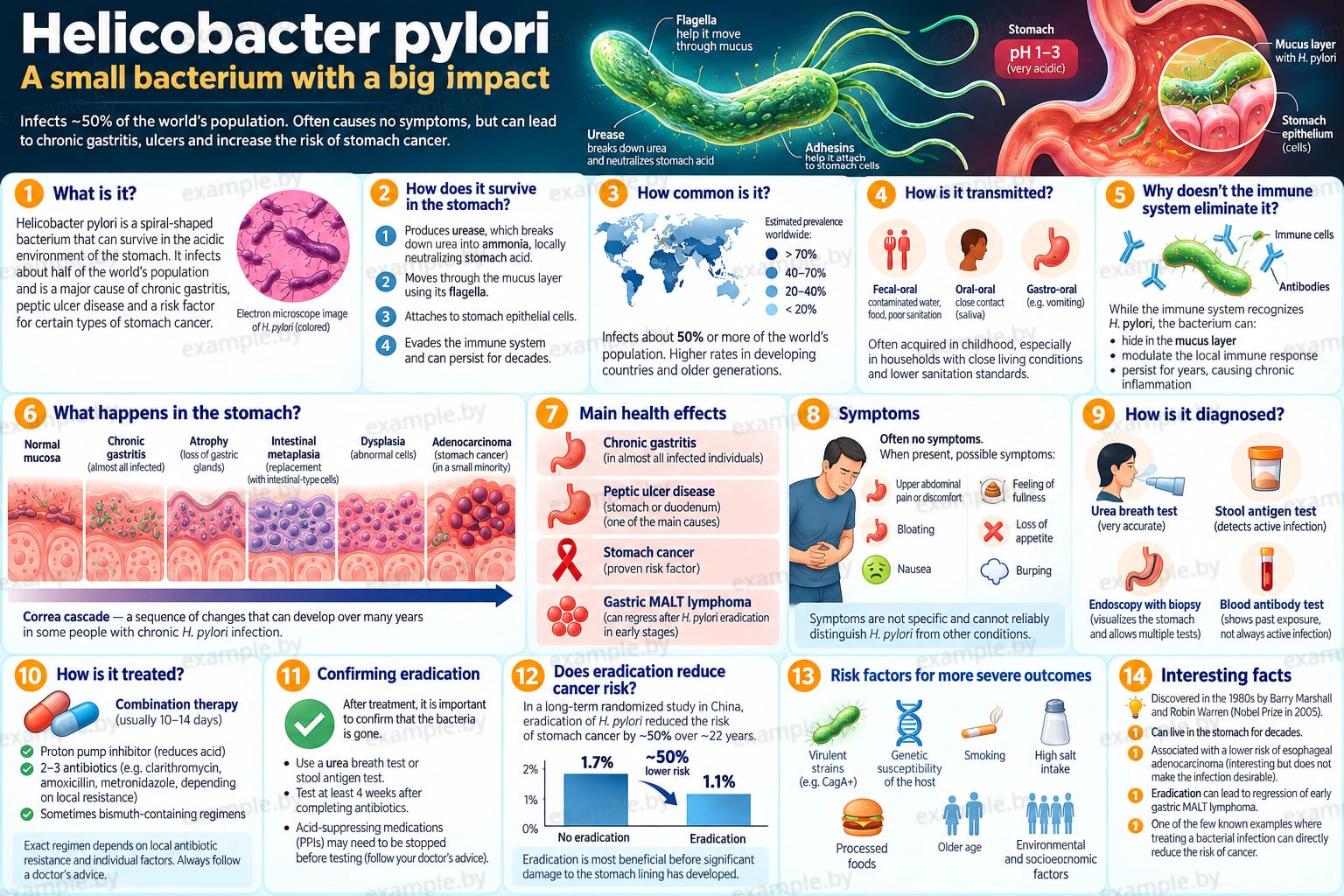
How Helicobacter pylori Survives Stomach Acid
 Medicine · 03.10.26
What DNA Tests Can Actually Reveal
 Body · 18.10.26
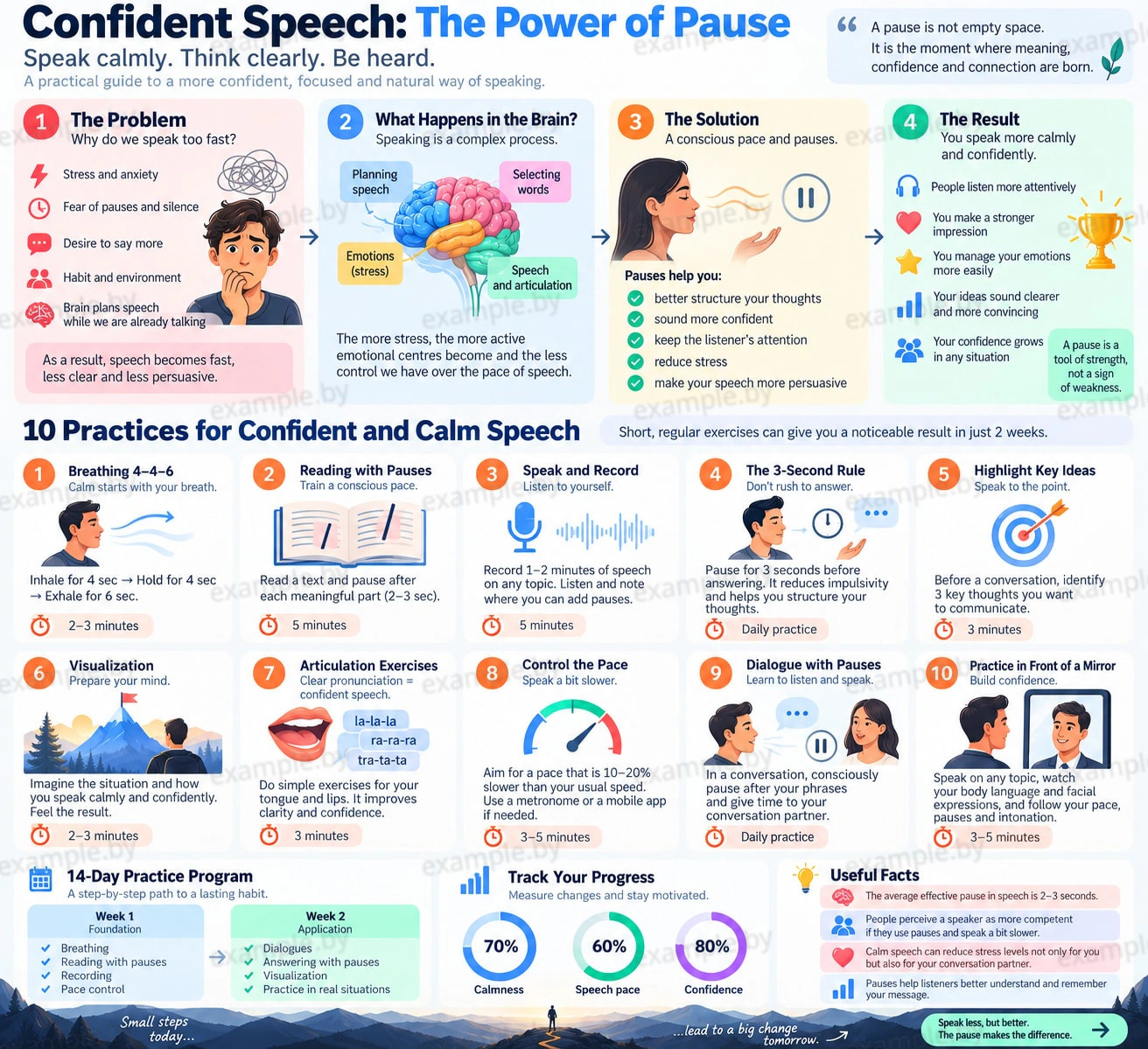
The Art of the Pause: How to Speak Calmly and Confidently
 Body · 15.10.26
Who Pays for Heat: Why a Lizard Can Be Hotter Than a Bird
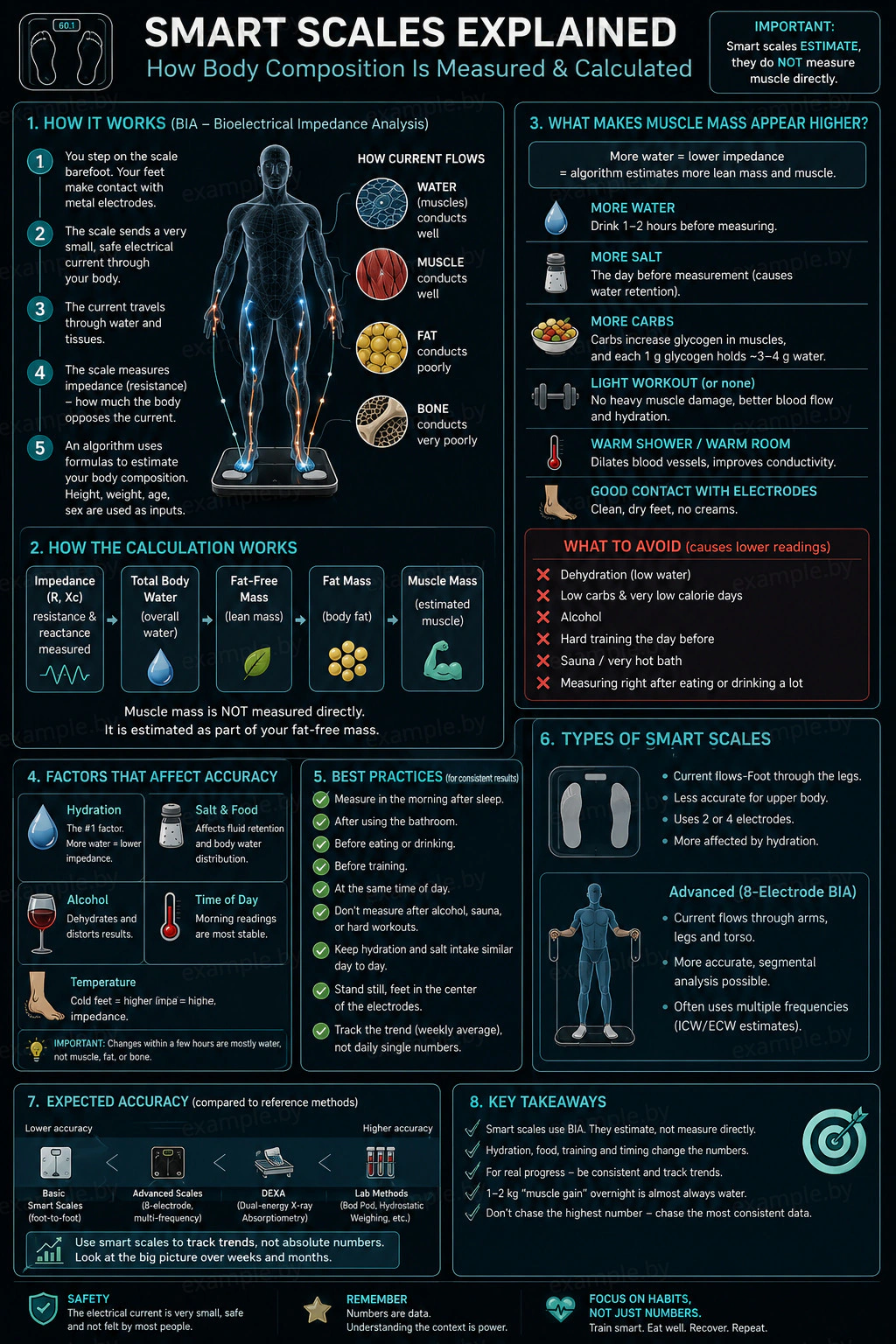 Technology · 13.10.26
How Smart Scales Track Muscle and Water
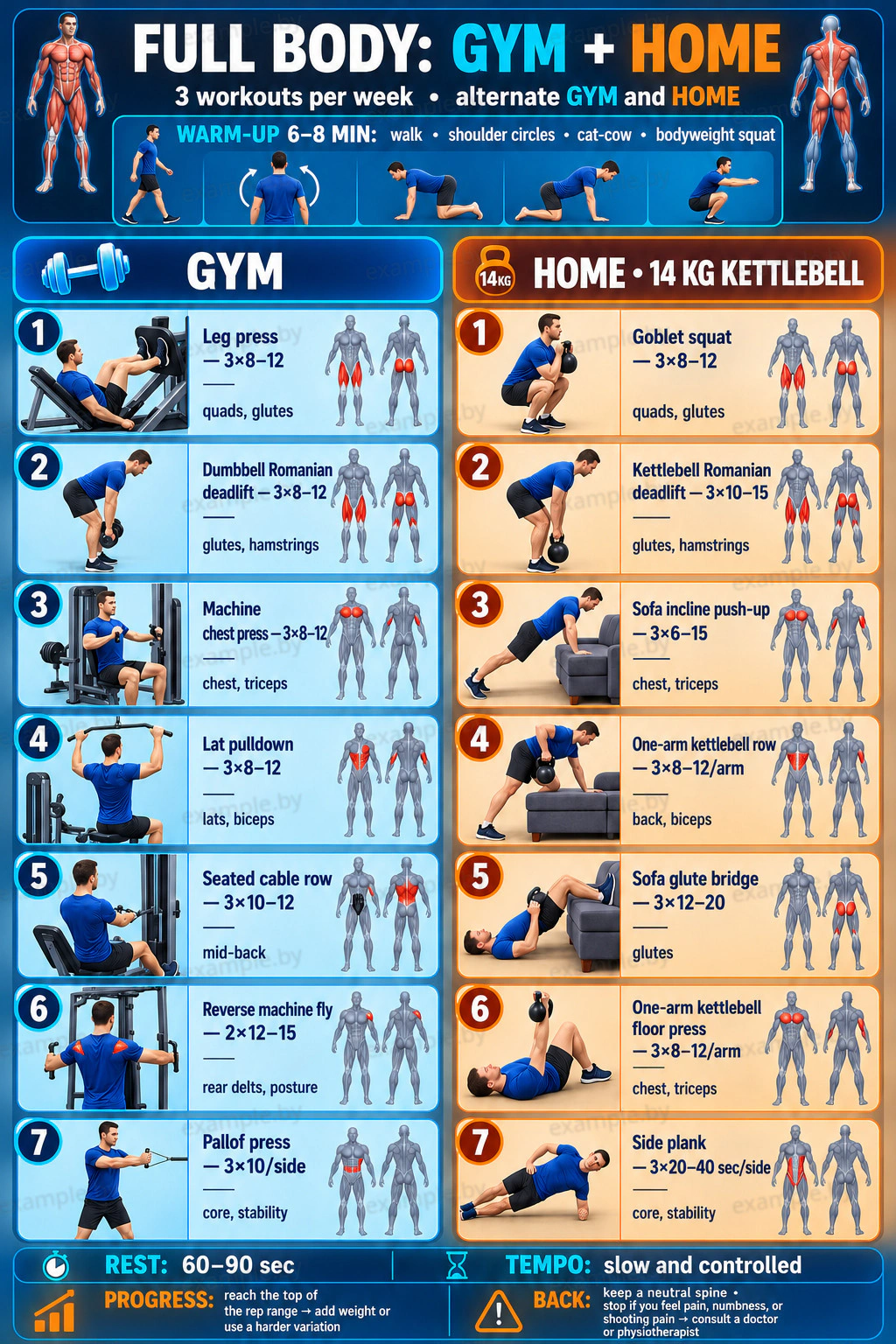 Body · 13.10.26
Full-Body Home Workout with One Kettlebell and a Couch
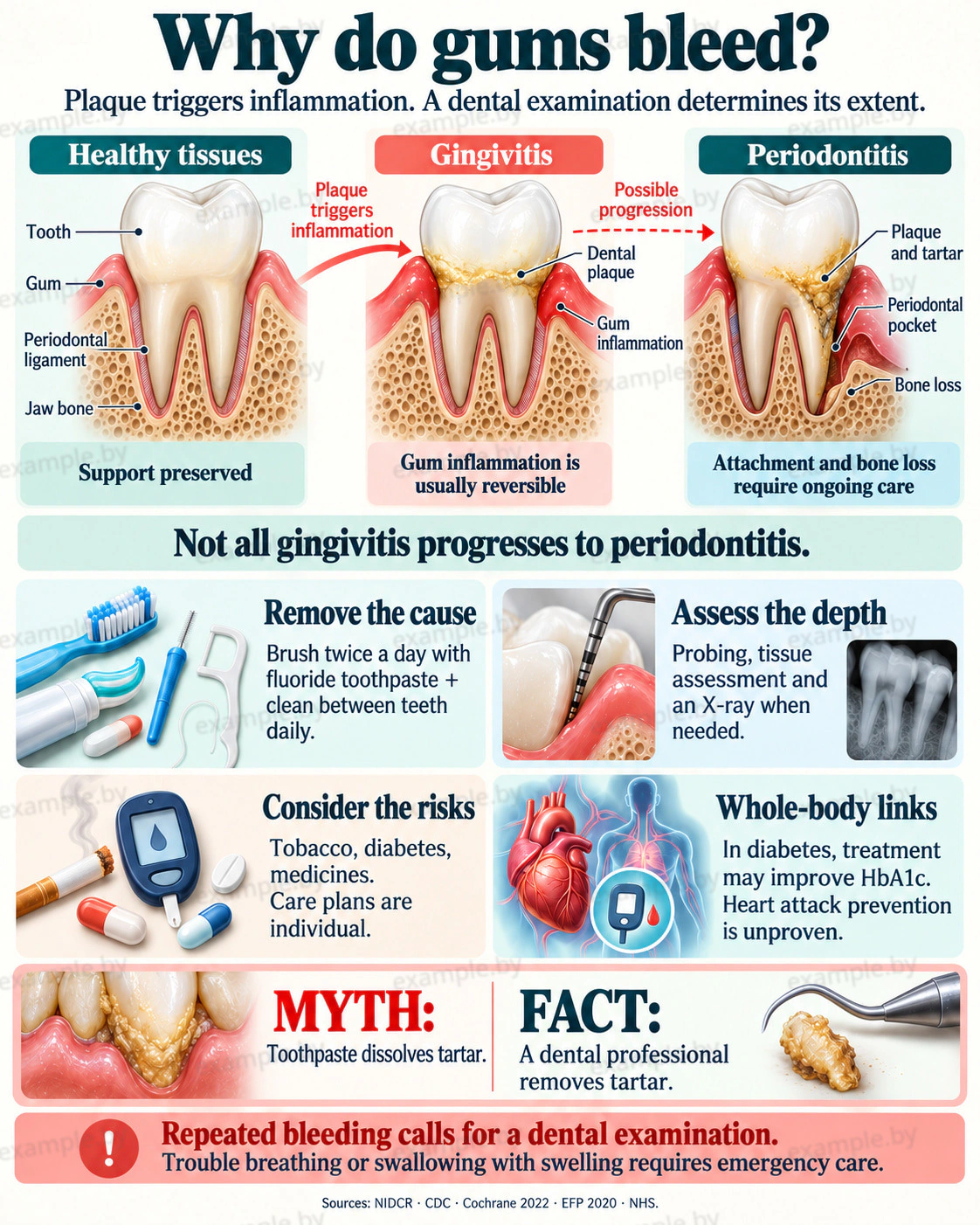 Medicine · 11.10.26
Why Gums Bleed and Where the Real Danger Begins
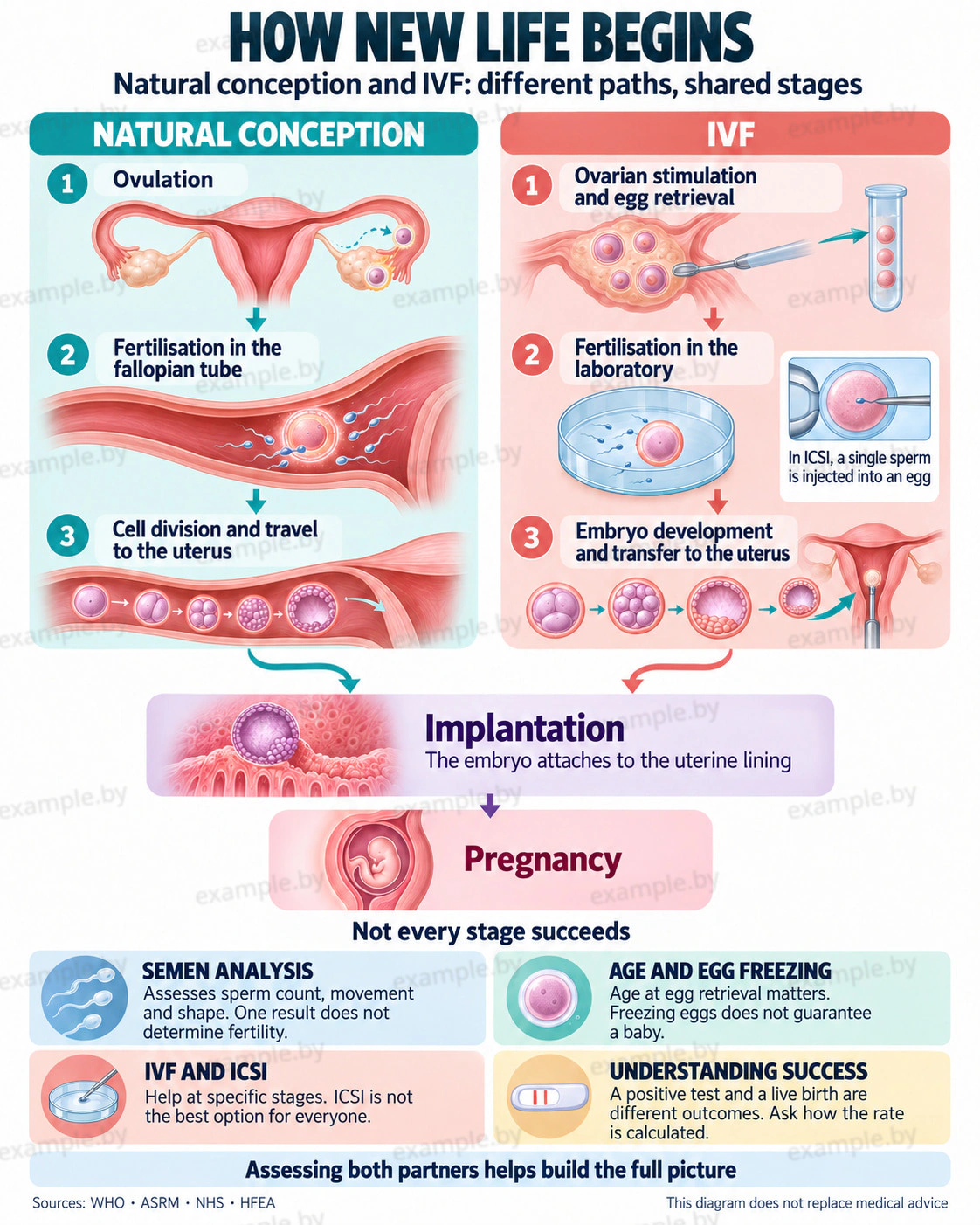 Medicine · 11.10.26
How Life Begins: From Conception to IVF
 Body · 10.10.26
Skin Pigmentation: How Cells Talk to the Sun
 Medicine · 05.10.26
How HPV Can Lead to Cancer Decades Later
 Body · 03.10.26
Octopuses: Evolution’s Alternative Experiment
 Body · 03.10.26
The Science of Tanning: Why There Is No Safe Tan