ADHD: Why It Is Not an Attention Deficit
How attention regulation actually works, why initiating tasks is so hard despite normal dopamine, and how adaptive interfaces can support the brain.
- Section
- Medicine
- Date
- Reading
- 19 minutes
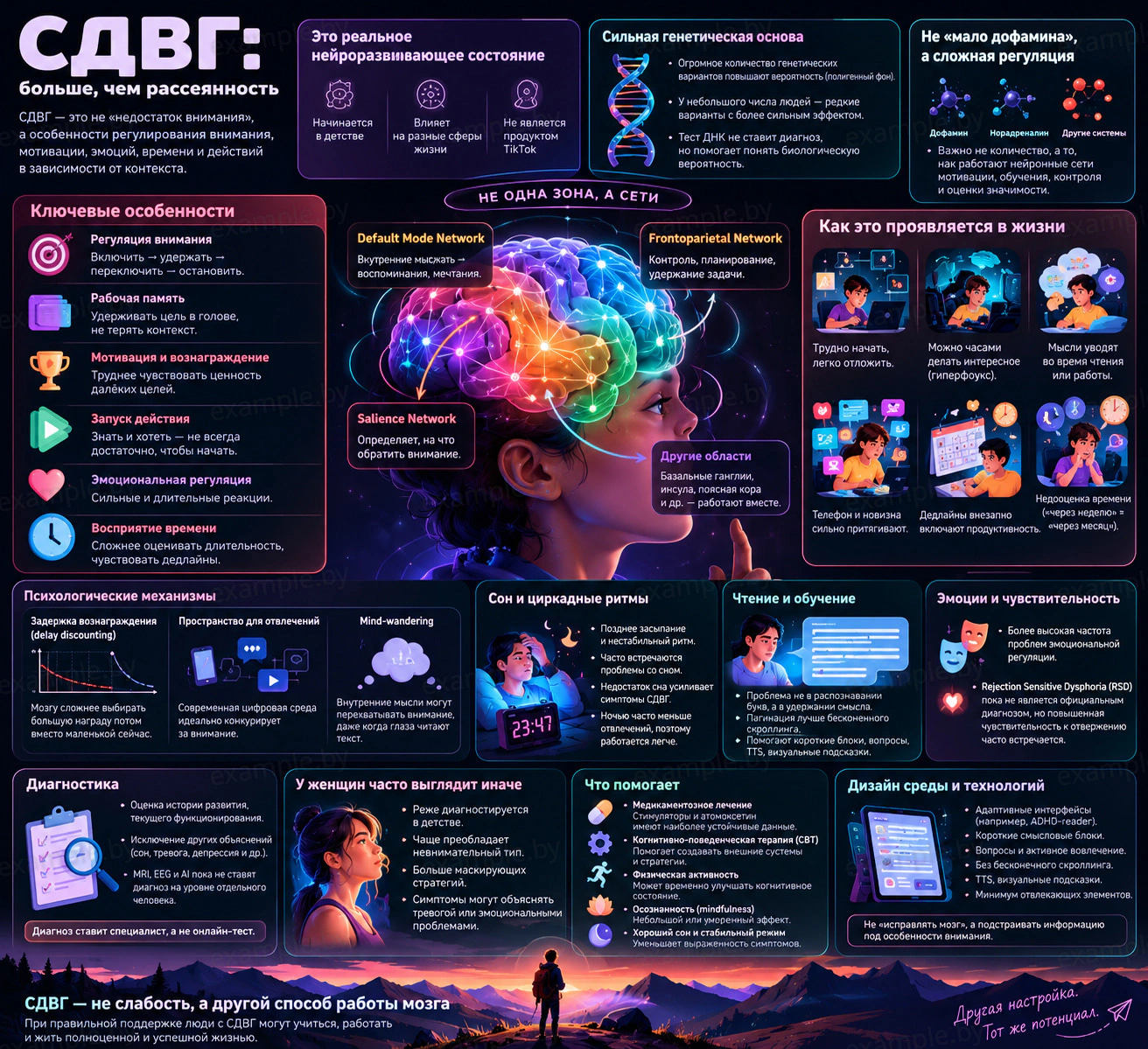
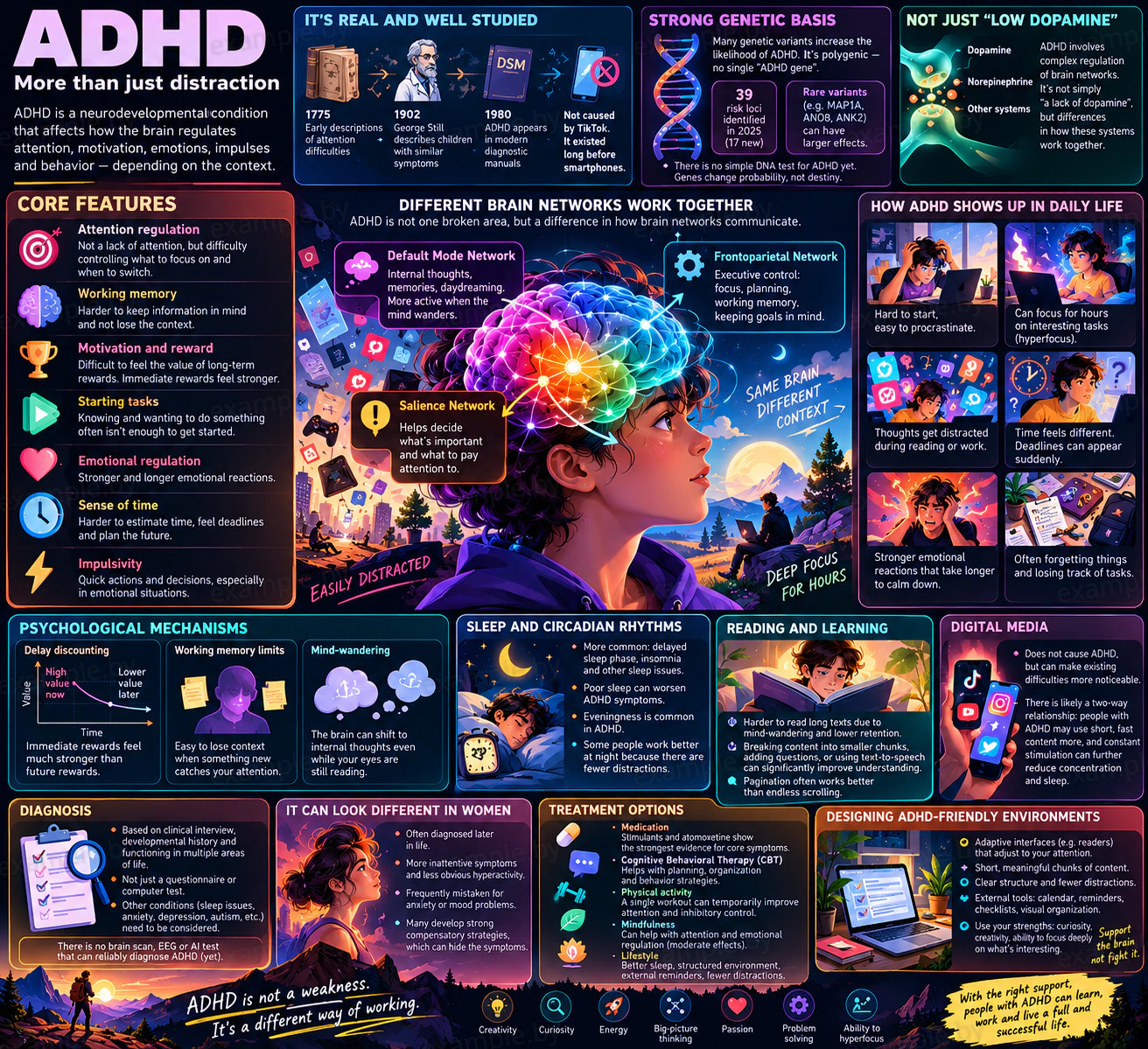
The biggest misconception is baked right into the name: Attention-Deficit/Hyperactivity Disorder.
It creates the impression that:
a person simply lacks attention.
Yet someone with ADHD can hyper-focus on gaming, coding, research, a conversation, or an engaging problem for hours on end, while being entirely unable to draft an email, clean a room, or read four pages of a document.
That is why a much more useful working model is:
ADHD = a disorder of brain state regulation.
It is not necessarily an “attention deficit.”
Rather, the difficulty lies in the process of:
turning attention on → maintaining it → shifting it → inhibiting a distracting impulse → holding a goal in working memory → feeling a future reward as sufficiently salient → initiating action.
This is why the phrase:
“But you can focus on a game just fine”
does not disprove ADHD.
In a sense, it actually highlights one of its defining features.
A Real Neurodevelopmental Condition, Not a Social Media Fad
Clinical descriptions of ADHD symptoms appeared long before social media existed.
Modern medicine classifies ADHD as a neurodevelopmental disorder. A diagnosis requires more than just absentmindedness; it demands a persistent pattern of symptoms that begins during the developmental period and causes impairment across multiple life settings. NICE explicitly emphasizes that a diagnosis cannot be made solely through a questionnaire or computer test: it requires a developmental history, clinical evaluation, an assessment of functioning across different domains, and the exclusion of differential explanations. (Nice)
This distinction is crucial.
Almost anyone can look “a bit ADHD” after a few nights of poor sleep.
That does not make it ADHD.
Genetics: Polygenic Background and Rare Mutations
Most cases of ADHD cannot be explained by a single mutation. It is predominantly characterized by a polygenic architecture: countless common genetic variants that collectively nudge the probability of developing specific nervous system traits.
A massive study in Nature Genetics published in September 2025 combined symptom-level data and clinical ADHD diagnoses, identifying 39 independent genetic loci, 17 of which were previously unknown. (Nature)
What followed was even more intriguing.
A rare-variant study published in Nature sequenced the exomes of 8,895 individuals with ADHD and 53,780 controls. Researchers found statistically significant associations with rare, damaging variants in MAP1A, ANO8, and ANK2. For these rare variants, individual effect sizes proved substantially larger than those of common risk alleles. (PubMed Central (PMC))
This reshapes our understanding of ADHD genetics.
It appears that two mechanisms coexist:
a vast polygenic background + rare variants of large effect in a small subset of people.
Even so, a standard “DNA test for ADHD” does not exist.
Genetics currently sheds light on probability, but it cannot make a clinical diagnosis.
ADHD Is Not Simply “Low Dopamine”
This is one of the most necessary corrections to popular social media content about ADHD.
The narrative that:
ADHD = a brain lacking dopamine
is far too simplistic.
A critical review of the dopamine hypothesis demonstrated that while evidence for the involvement of dopaminergic systems is abundant, evidence for a uniform, generalized hypodopaminergic state in individuals with ADHD is lacking. (PubMed)
In other words, it is far more accurate to say:
ADHD involves altered regulation of neural circuits in which dopamine plays a key role.
Particularly circuits governing:
motivation, reward-based learning, salience processing, behavioral control, and discounting delayed rewards.
Alongside dopamine, norepinephrine is critically important.
Beyond that, complexity increases: neurotransmitters do not operate in a vacuum; they modulate large-scale network interactions.
Consequently, the meme that:
“you’ve run out of dopamine”
is virtually meaningless from a neurobiological standpoint.
Interactions Between Neural Networks
There is no single pinpoint on an MRI that can be labeled the “ADHD spot.”
Neuroimaging reveals group-level differences across multiple distributed systems at once.
A meta-analysis of executive function studies in children with ADHD identified aberrant activation across the frontoparietal network, putamen, insula, and cingulate cortex, among other regions. (PubMed)
Three networks are especially relevant.
The Default Mode Network is involved in internal mentation, autobiographical memory, and daydreaming.
The frontoparietal / executive control network helps maintain task focus and direct goal-oriented behavior.
The salience network plays a role in evaluating what warrants attention right now.
A leading contemporary model of ADHD suggests that much of the difficulty stems from unstable coordination among these networks.
This neatly accounts for a familiar experience:
your eyes keep skimming the page,
but the executive system has disengaged from the task,
and internal thoughts have hijacked your attention.
The result is mind-wandering.
The Overlooked Hurdle: Task Initiation
There is a peculiar phenomenon that the term “inattention” fails to capture.
A person can:
know exactly what needs to be done;
genuinely want to do it;
understand the consequences;
possess the requisite skills;
have ample free time;
and still be unable to start.
To an outside observer, this looks indistinguishable from laziness.
From a neurocognitive perspective, however, multiple mechanisms must align simultaneously: executive control, reward valuation, working memory, time perception, and physiological arousal.
This creates a familiar paradox.
09:00
“I am definitely doing this today.”
14:00
“Starting right now.”
19:00
“Why haven’t I done anything again?”
23:40, deadline tomorrow morning
the brain suddenly converts into a hyper-productive engine.
Urgency transforms an abstract future task into an immediate, high-priority cue.
Reward Choice: Delay Discounting
The brain constantly weighs:
a small reward now
against
a larger reward later.
People with ADHD show, on average, a stronger preference for immediate gratification. A meta-analysis of impulsive choice confirmed significant differences in both immediate-reward preference and temporal discounting tasks. (PubMed)
Consider the trade-off:
Instagram right now: reward delivers in 0.2 seconds.
Finishing a project: reward arrives in three weeks.
Studying for an exam: payoff comes months down the line.
Working out: most benefits materialize months later.
Modern digital environments are engineered so effectively that distant goals struggle to compete even in individuals without ADHD.
In ADHD, that discrepancy becomes even more pronounced.
Time Perception and “Time Blindness”
The colloquial term:
time blindness
is not an official diagnostic criterion.
Yet it reflects a measurable cognitive deficit.
A 2024 meta-analysis encompassing 824 effect sizes demonstrated marked group differences in time perception tasks in ADHD, with an average effect size of approximately g = 0.69. (PubMed)
Many people with ADHD genuinely struggle to:
gauge elapsed time;
feel a deadline approaching;
budget time realistically;
predict how long a task will take.
This leads to another paradox.
“In a week”
can feel just as distant as:
“in a month.”
Until suddenly, it becomes:
“in two hours.”
Working Memory and Everyday Obstacles
Working memory does not function like long-term archival storage.
It behaves more like RAM.
Its job is to hold an active premise:
I opened the browser to pay a bill.
Then a notification pops up.
You click it.
Follow a link.
Read an article.
Ten minutes later:
why did I open my laptop in the first place?
This is not necessarily an issue with memory capacity or information storage.
What dissolved was the active task context.
That is why calendars, checklists, and sticky notes are not merely “productivity hacks.”
They act as an externalized prosthetic for working memory.
Why Hyperfocus Occurs
Here, it is important to avoid two extremes.
The first:
hyperfocus does not exist.
The second:
hyperfocus is an ADHD superpower.
The scientific consensus is much more nuanced.
While hyperfocus is reported by many individuals with ADHD, it is not a formal diagnostic criterion, and it currently lacks the precise operational definition given to inattention or impulsivity.
It is far more useful to view it as the flip side of attention dysregulation.
The problem is not merely:
“I cannot sustain attention.”
It is also:
“I cannot reliably steer where it goes.”
This explains the simultaneous reality of:
being unable to start a boring task
and
being unable to disengage from an interesting one.
Emotional Regulation
Emotional dysregulation is not yet included in the primary diagnostic criteria for ADHD, but research consistently documents its high prevalence in adults.
Studies consistently reveal an elevated rate of emotional regulation difficulties among adults with ADHD.
A systematic review linked it to ADHD severity, executive dysfunction, and comorbid conditions, although the underlying literature remains heterogeneous. (PLOS)
This can explain why the challenge is often not necessarily experiencing stronger emotions,
but rather a reduced capacity to quickly return the system to baseline.
For instance:
the triggering stimulus vanished thirty seconds ago,
yet the emotional response continues to occupy working memory.
Rejection Sensitive Dysphoria: Popularity vs. Evidence
Online, RSD is frequently presented as an almost core symptom of ADHD.
Currently, that claim goes too far.
While the acute pain of perceived criticism or rejection is undeniably real for many, the construct of Rejection Sensitive Dysphoria rests on a fragile empirical foundation and is not an officially recognized clinical diagnosis.
A critical paper published in 2026 explicitly warned that RSD has accumulated far more hype than rigorous scientific support, suggesting instead that researchers focus on the more established concept of rejection sensitivity. (PubMed)
A small qualitative study from 2026 did document lived experiences of rejection sensitivity in individuals with ADHD, but it involved only five students. While intriguing as an exploratory avenue, this is far from sufficient to declare RSD a universal component of ADHD. (PubMed)
ADHD and Reading: Scaffolding over “Brain Fixing”
Reading difficulties often have nothing to do with letter recognition.
Your eyes trace:
A → B → C → D.
Meanwhile, attention drifts:
A → B → work thought → memory → sudden idea → C → what did I just read?
A 2025 study on digital reading assessed 210 adults aged 20–50, roughly half of whom had ADHD. Without structured support, the ADHD group exhibited poorer reading comprehension.
However, when researchers introduced gradual metacognitive scaffolding, the comprehension gap between the two groups vanished to a statistically comparable level. Mind-wandering proved to be a key mediator of this discrepancy. (ScienceDirect)
What makes metacognitive prompting compelling is that the intervention does not attempt to repair neural machinery directly; it reshapes the architecture of how information is presented.
The Attention-Adaptive Reader Concept
Instead of presenting:
4,000 words
the system displays:
a single semantic unit.
Preceded by:
Now find out why scrolling degrades reading comprehension.
Followed by:
What was the primary reason?
If the reader answers with confidence:
the blocks gradually lengthen.
If context begins to slip:
they contract.
Text-to-speech can be toggled.
Scrolling can be removed.
A visual focus window can be introduced.
This approach is far more promising than:
“let’s find a special ADHD font.”
Special Fonts and Formatting
To date, there is no convincing evidence that a universal font dramatically improves reading performance specifically in ADHD.
The same caveat applies to Bionic Reading.
Far more leverage lies in optimizing layout fundamentals:
font size, line length, line height, contrast, information density, pagination, chunking, and minimizing visual clutter.
In other words, the bottleneck is driven far more by cognitive load than by the geometry of individual letterforms.
Scrolling vs. Paged Reading
A 2026 network meta-analysis pooled 56 studies and 79 comparisons between print and digital reading.
When digital reading required scrolling, print retained a distinct comprehension advantage.
When scrolling was eliminated, the performance gap between print and digital media became negligible and statistically unreliable. (DOI)
While not an ADHD-specific trial,
for an ADHD-friendly reader, substituting:
page 7 of 23
for an infinite scroll
is a remarkably sound design choice.
Sleep as a Symptom Amplifier
In a large cohort of 3,691 adults with ADHD, roughly 60% screened positive for at least one sleep disorder. Manifestations of delayed sleep phase syndrome, insomnia, and restless legs / periodic limb movement disorder were particularly prevalent. (PubMed)
Another 2026 actigraphy study found delayed and more irregular sleep-wake patterns in adults with ADHD; several sleep parameters correlated with attention and inhibitory control, though some associations attenuated after statistical adjustment. (PubMed)
This creates a vicious cycle:
ADHD → delayed sleep onset → sleep deprivation → impaired executive control → intensified ADHD-like symptoms → harder to sleep on time.
Sleep is therefore not just background noise in ADHD.
It acts as a direct symptom amplifier.
Circadian Systems and Nocturnal Productivity
This remains an area of ongoing investigation rather than a settled unifying theory, but it is a compelling line of research.
Studies consistently reveal greater eveningness and delayed circadian rhythms in a subset of adults with ADHD. (PubMed)
This may explain why the assertion:
“I do my best work at night”
does not necessarily mean someone is biologically a nocturnal genius.
At night, competing demands fall silent:
notifications subside;
messages dwindle;
others stop demanding your attention;
the need for constant task-switching recedes.
For a brain that struggles to filter sensory noise, this creates a fundamentally different cognitive environment.
Physical Activity
A 2026 meta-analysis found that an acute bout of exercise in adults with ADHD yielded moderate improvements in inhibitory control and small immediate reductions in core symptoms.
Evidence for long-term exercise regimens remains sparser and less conclusive. (PubMed)
In short:
exercise ≠ a replacement for clinical treatment.
Rather:
exercise can transiently shift the brain’s cognitive state.
And that is an important distinction.
Mindfulness and Cognitive Behavioral Therapy
A 2025 meta-analysis identified small-to-moderate effects of mindfulness-based practices on selected symptoms in adults with ADHD. The value of this approach lies not in “curing” the condition, but in training the ability to notice attentional lapses and gently steer focus back to the task.
A 2026 meta-analysis of 14 RCTs demonstrated significant effects of CBT on core ADHD symptoms and executive functioning, along with modest improvements in anxiety, stress, and depressive symptoms. (PubMed)
In ADHD-tailored CBT, the goal is rarely to overhaul one’s personality.
Instead, it focuses on building external scaffolding:
planning systems;
task decomposition;
distraction management;
procrastination workarounds;
behavioral initiation strategies.
In practice, therapy trains individuals to engineer their own environment.
What the Evidence Says About Medication
The most comprehensive network meta-analysis of pharmacotherapies in adults with ADHD evaluated 113 randomized controlled trials and 14,887 participants.
At roughly 12 weeks, stimulants and atomoxetine demonstrated consistent efficacy in reducing core symptoms across both self-reports and clinician ratings.
While CBT, mindfulness, psychoeducation, and other modalities also produced benefits, their observed efficacy varied more widely depending on who assessed the outcome. (PubMed)
One crucial caveat:
the authors stressed that data on long-term outcomes remain far sparser than evidence for short-term symptom relief.
Claiming that:
“we fully understand optimal lifelong treatment for ADHD”
would simply not be accurate today.
A comprehensive dose-response meta-analysis in The Lancet Psychiatry evaluated 113 RCTs examining drug dosing: 68 in children/adolescents and 45 in adults.
Its primary conceptual takeaway is vital:
higher doses do not linearly translate to greater efficacy.
Dose-response curves varied markedly across medications, and the authors explicitly cautioned against both under-titration when efficacy is suboptimal and unchecked dose escalation. (PubMed)
This underscores why pharmacotherapy must be individually tailored by a clinician rather than guided by generic internet protocols.
Differential Diagnosis
A wide variety of conditions can mimic the presentation of ADHD.
Among them:
chronic sleep deprivation;
sleep disorders;
anxiety;
depressive disorders;
consequences of severe stress;
learning disabilities;
autistic traits;
underlying medical issues;
certain medications;
or simply an overstimulating environment.
Furthermore, these factors frequently co-occur with ADHD.
That is why the critical diagnostic question is not:
“Does this person struggle to concentrate?”
Rather, it is:
“what coherent developmental and functional profile best accounts for these difficulties?”
This is precisely why NICE guidelines mandate a thorough developmental and psychiatric history rather than relying on self-report questionnaires alone. (Nice)
MRI, EEG, and AI Cannot Yet Diagnose ADHD
Statistically significant differences emerge at the group level.
However, the two distributions—
ADHD
and
non-ADHD—
overlap dramatically.
An MRI can tell you:
this structural pattern was more common in the ADHD cohort.
It cannot reliably state:
this individual patient has ADHD.
The same limitation applies to quantitative EEG and most AI classifiers.
ADHD in Women
ADHD is diagnosed far less frequently in young girls, leading many women to receive a diagnosis only in adulthood.
Contemporary reviews point to several underlying reasons:
symptoms present differently;
less overt, disruptive hyperactivity;
a higher prevalence of the inattentive presentation;
masking and compensatory strategies;
frequent misattribution of symptoms to anxiety or mood disorders;
diagnostic criteria historically modeled on the typical manifestations seen in young boys.
A 2025 review examining item-level symptom profiles confirmed distinct presentation patterns between men and women with ADHD. (PubMed)
A 2026 review explored systemic diagnostic bias contributing to underidentification in women. (PubMed)
This remains an active and rapidly expanding field of study.
Smartphones and Digital Environments
A longitudinal review found evidence for a bidirectional association between problematic digital media use and ADHD symptoms in children and adolescents. Associations were more consistent for problematic usage habits than for raw screen time alone. (PubMed)
This highlights an essential dynamic.
Smartphones deliver an engineered stream tailored to a novelty-seeking nervous system:
a fresh stimulus;
an unpredictable reward;
a bite-sized task;
instantaneous feedback;
another novel stimulus.
The issue is therefore not simply that:
“TikTok gave you ADHD.”
Rather, it is that:
“our environment has become exceptionally skilled at commandeering the exact attentional mechanisms that are already dysregulated in ADHD.”
Moving Beyond the “Deficit” Metaphor
The more one reviews contemporary neuroscience, the more ill-fitting the word “deficit” feels.
A far more accurate conceptualization is:
Attention allocation disorder
or perhaps:
state regulation disorder
Not as a formal diagnostic code, of course.
Yet as an explanatory framework, it is substantially more robust.
The brain remains fully capable of paying attention.
The real questions are:
what triggers that attention?
when?
for how long?
toward what?
and how easily can it disengage?
The Orchestra Metaphor
In an ADHD brain, the instruments are rarely broken. Rather, the conductor occasionally cues the entrance late, loses track of the current motif, or allows a single section to play an uncontrolled solo for hours.
This is why high intellectual capability can comfortably coexist with profound day-to-day functional impairment.
Strength of Evidence for Common Claims
Extensively supported: ADHD is a neurodevelopmental condition with strong genetic heritability; executive functions, reward processing, and large-scale brain networks are implicated; pharmacotherapy has the most robust short-term evidence for core symptoms; CBT provides meaningful benefit; sleep plays a pivotal role.
Well-supported, though not universal: working memory deficits, time perception impairments, elevated delay discounting, emotional dysregulation, mind-wandering, sleep disturbances.
Plausible, but less rigorously operationalized: hyperfocus, idiosyncratic attention states.
Promising, but currently under active investigation: adaptive ADHD readers, personalized digital interfaces, circadian phenotypes, AI-assisted attention support.
Frequently overblown online: “low dopamine,” dopamine detoxes, ADHD fonts, Bionic Reading as a cure, RSD as an obligatory symptom, neurofeedback as a cure-all, MRI/EEG/AI as standalone diagnostic tests.
The Evolution of the Diagnosis
Over recent decades, our conceptualization of ADHD has undergone several paradigm shifts.
First:
“a misbehaving child.”
Then:
“an attention deficit.”
Later:
“executive dysfunction.”
Today, the emerging picture is significantly more sophisticated:
ADHD represents a dynamic dysregulation of attention, motivation, action, time, and internal state depending on context.
Viewed through this lens, many perplexing contradictions resolve.
Why can someone game for five hours straight but struggle to start an email?
Because the capacity for attention is not the same as the ability to voluntarily summon the appropriate attentional state on demand.
Why do deadlines help?
Because distant importance is abruptly converted into immediate urgency.
Why do checklists work?
Because working memory demands are offloaded onto the external environment.
Why does text-to-speech assist reading?
Because it imposes an external pacing cue for attentional tracking.
Why is paged navigation often preferable to infinite scroll?
Because information is anchored to a stable spatial structure.
Why are smartphones so addictive?
Because they continuously dispense novelty, feedback, and immediate micro-rewards.
Why do many people work better late at night?
Because neurochemical arousal shifts, distractions vanish, and circadian rhythmicity alters the brain’s operating state.
Looking Ahead: Fitting the Environment to the Brain
Envision a reading application without a static “ADHD mode.”
Instead, it learns the individual user.
It notices:
at 600 words, comprehension checks begin to fail;
at 170 words, comprehension remains near perfect;
at 1.25× TTS speed, mind-wandering drops significantly;
evening sessions require shorter information chunks;
technical material is digested better when primed with a framing question;
after several weeks, scaffolding can be dialed back naturally.
The interface adapts dynamically.
This represents a profound shift in mindset:
not
“ADHD brains are broken; let’s force them to function normally,”
but rather
“human attention operates with specific constraints, and information delivery can be engineered to respect them.”
The 2025 research on metacognitive scaffolding illustrates that this is no longer merely an idealistic product vision: modifying how information is delivered can measurably bridge the performance gap in reading comprehension. (ScienceDirect)
Liked it? Save it for later.
 Medicine · 05.10.26
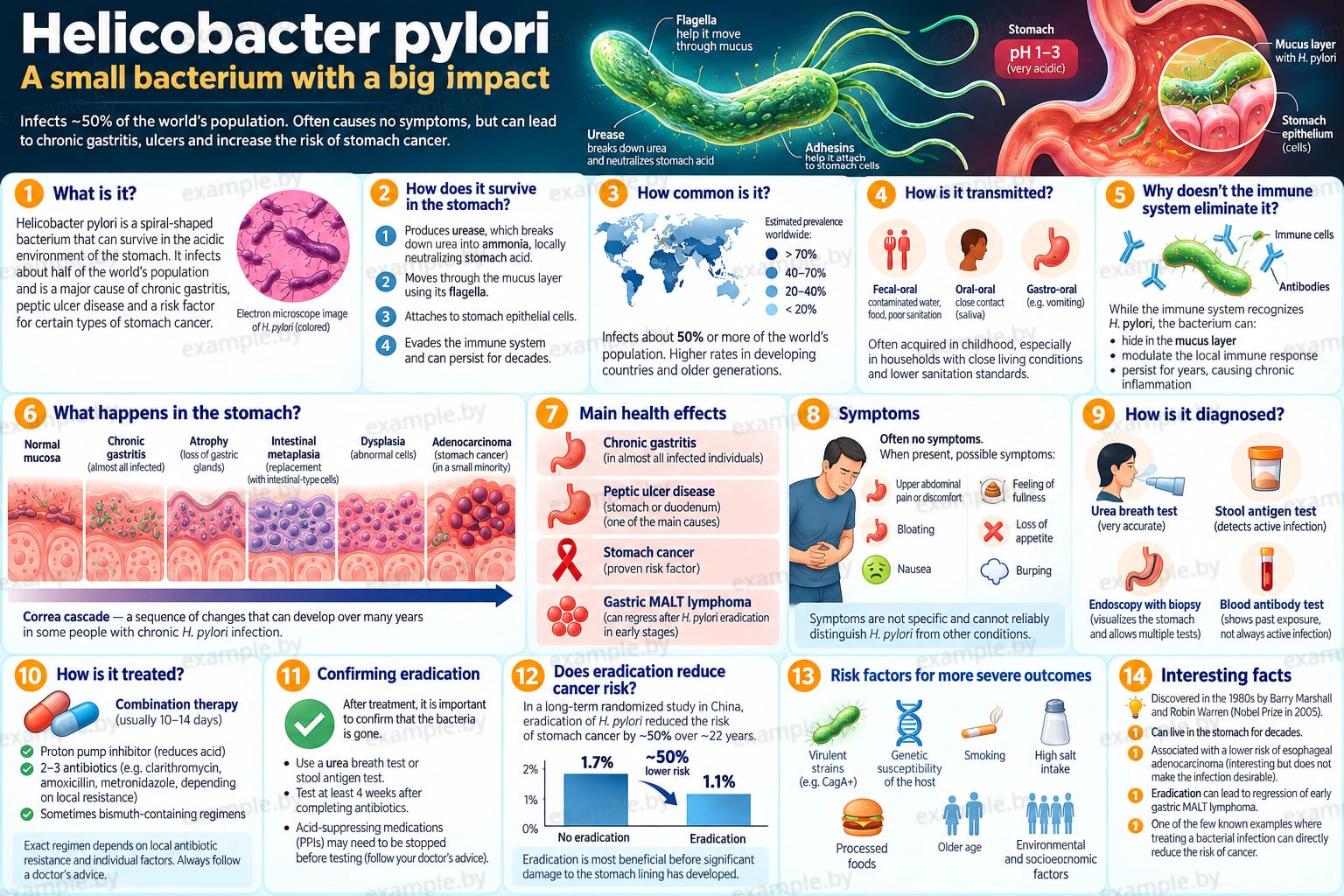
How Helicobacter pylori Survives Stomach Acid
 Medicine · 03.10.26
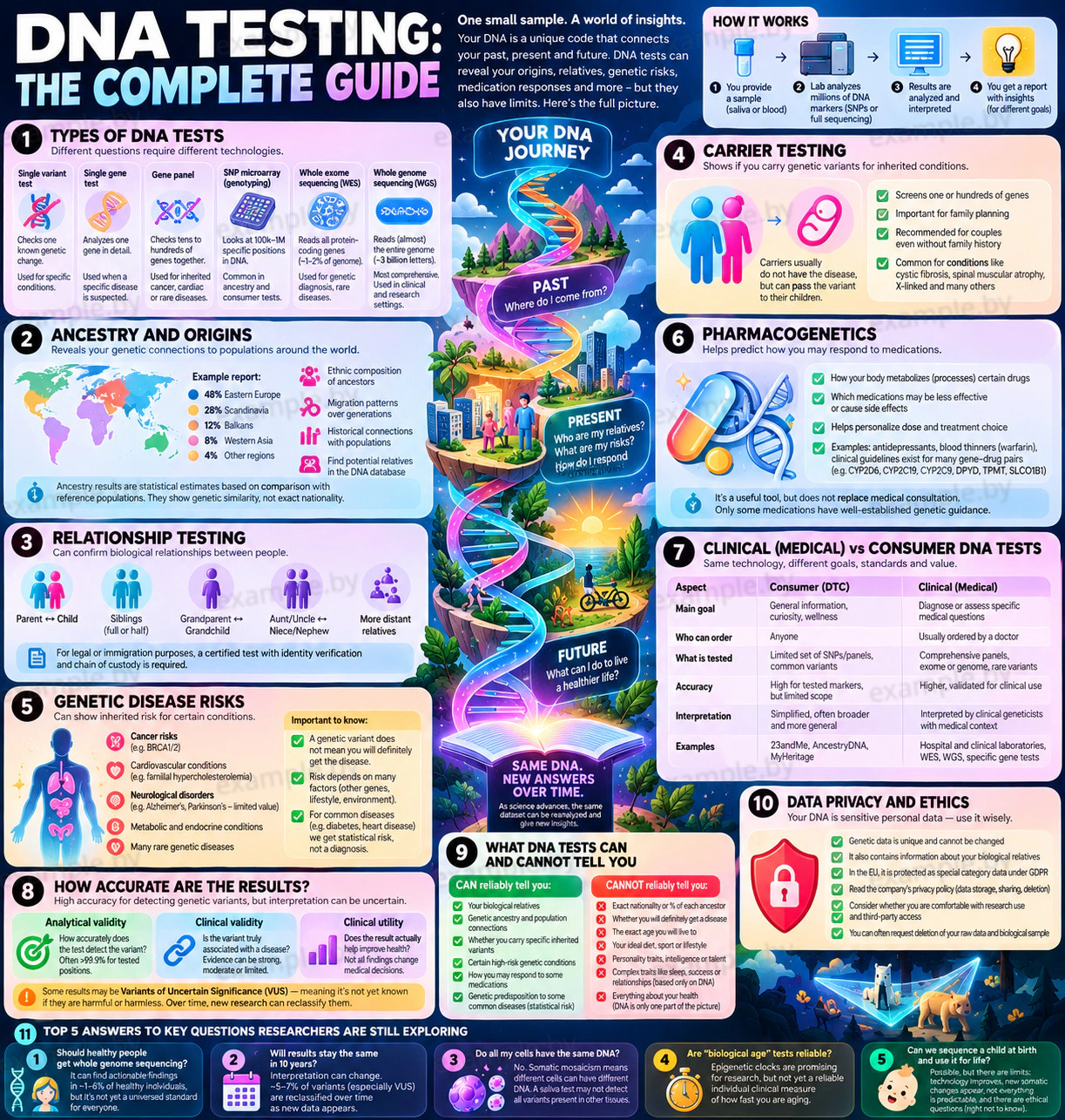
What DNA Tests Can Actually Reveal
 Medicine · 11.10.26
Why Gums Bleed and Where the Real Danger Begins
 Medicine · 11.10.26
How Life Begins: From Conception to IVF
 Body · 10.10.26
Skin Pigmentation: How Cells Talk to the Sun
 Medicine · 05.10.26
How HPV Can Lead to Cancer Decades Later
 Medicine · 03.10.26
Heartburn: Why Stomach Contents Flow Back Up
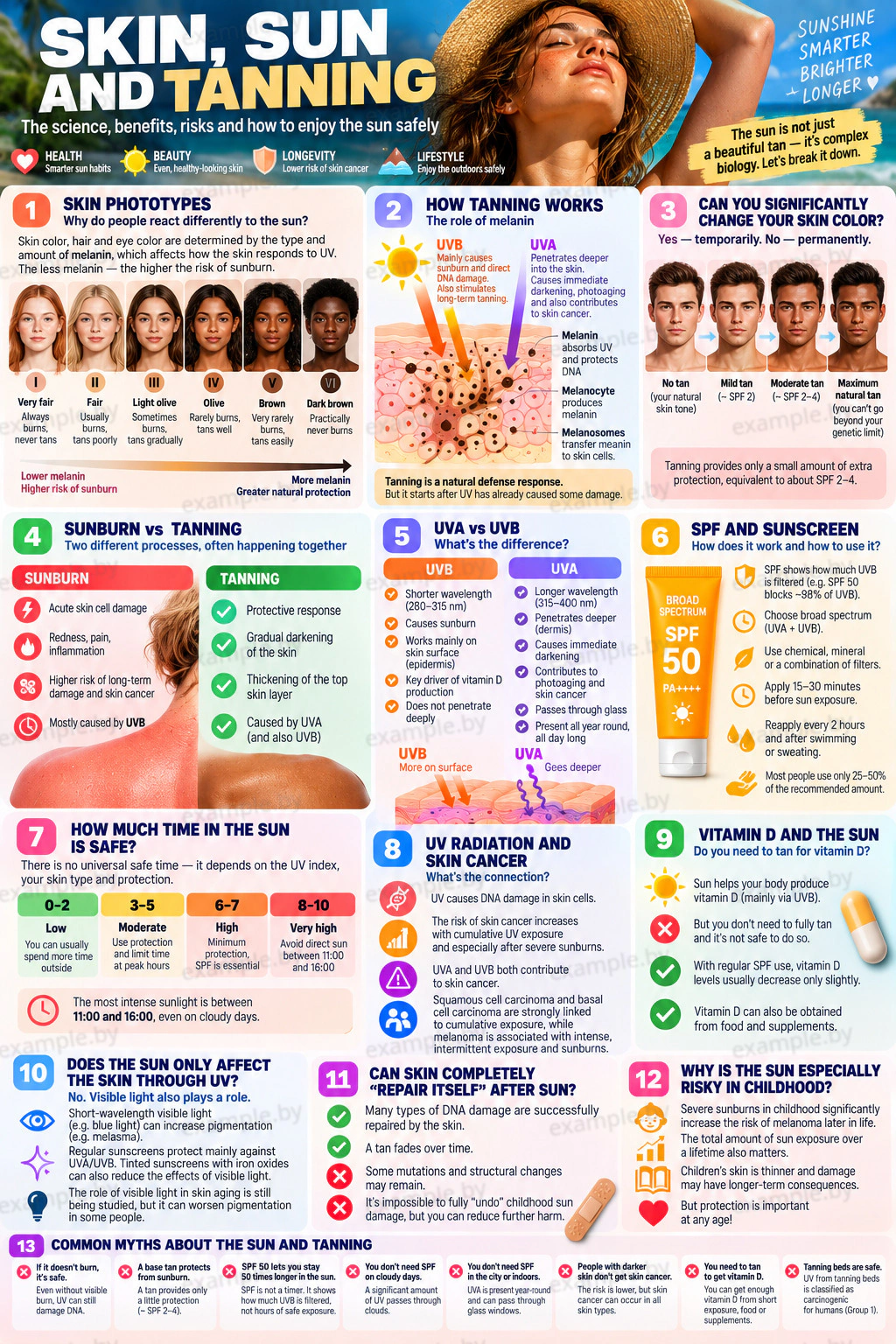 Body · 03.10.26
The Science of Tanning: Why There Is No Safe Tan
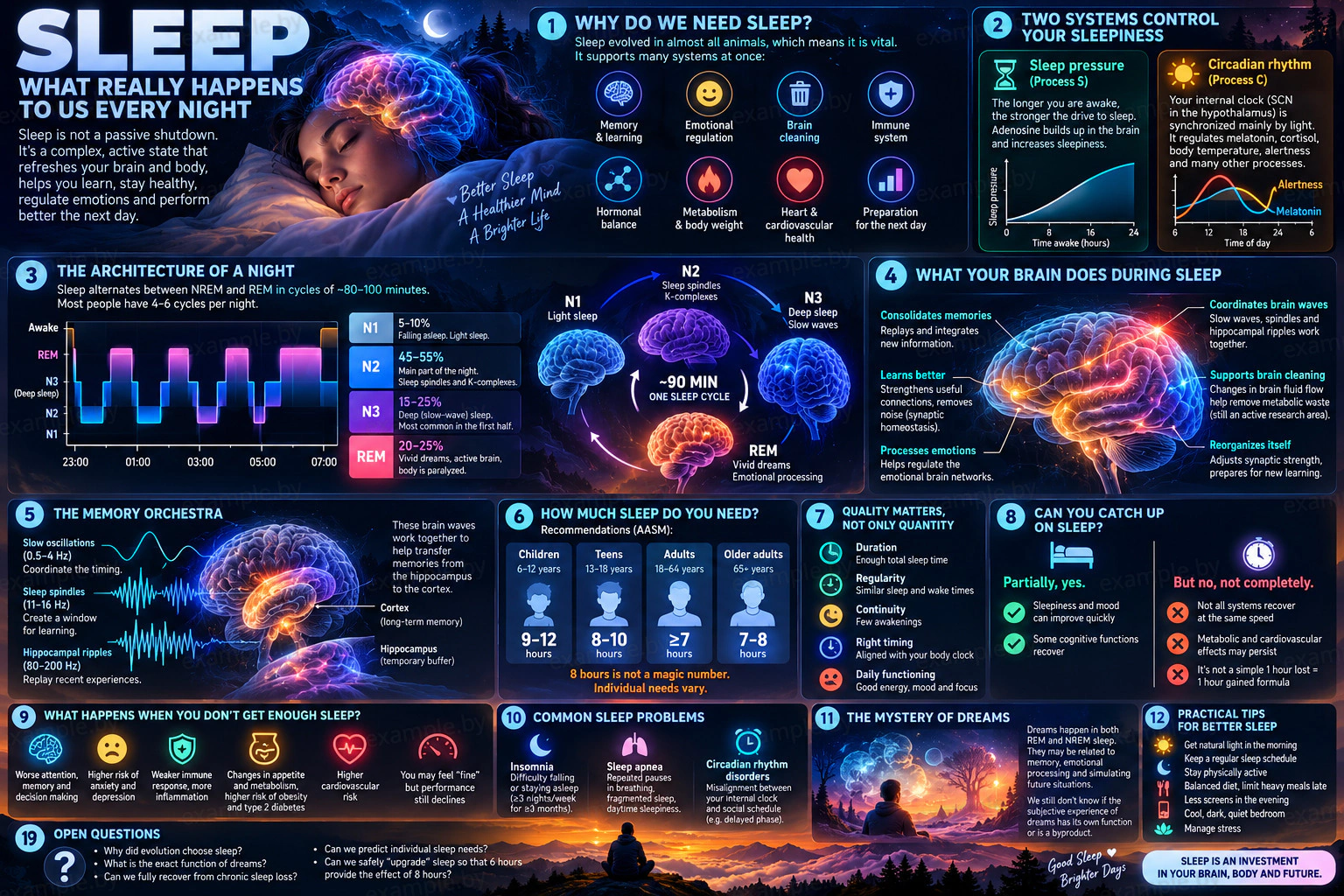 Medicine · 03.10.26
Sleep: What Really Happens to Us Every Night
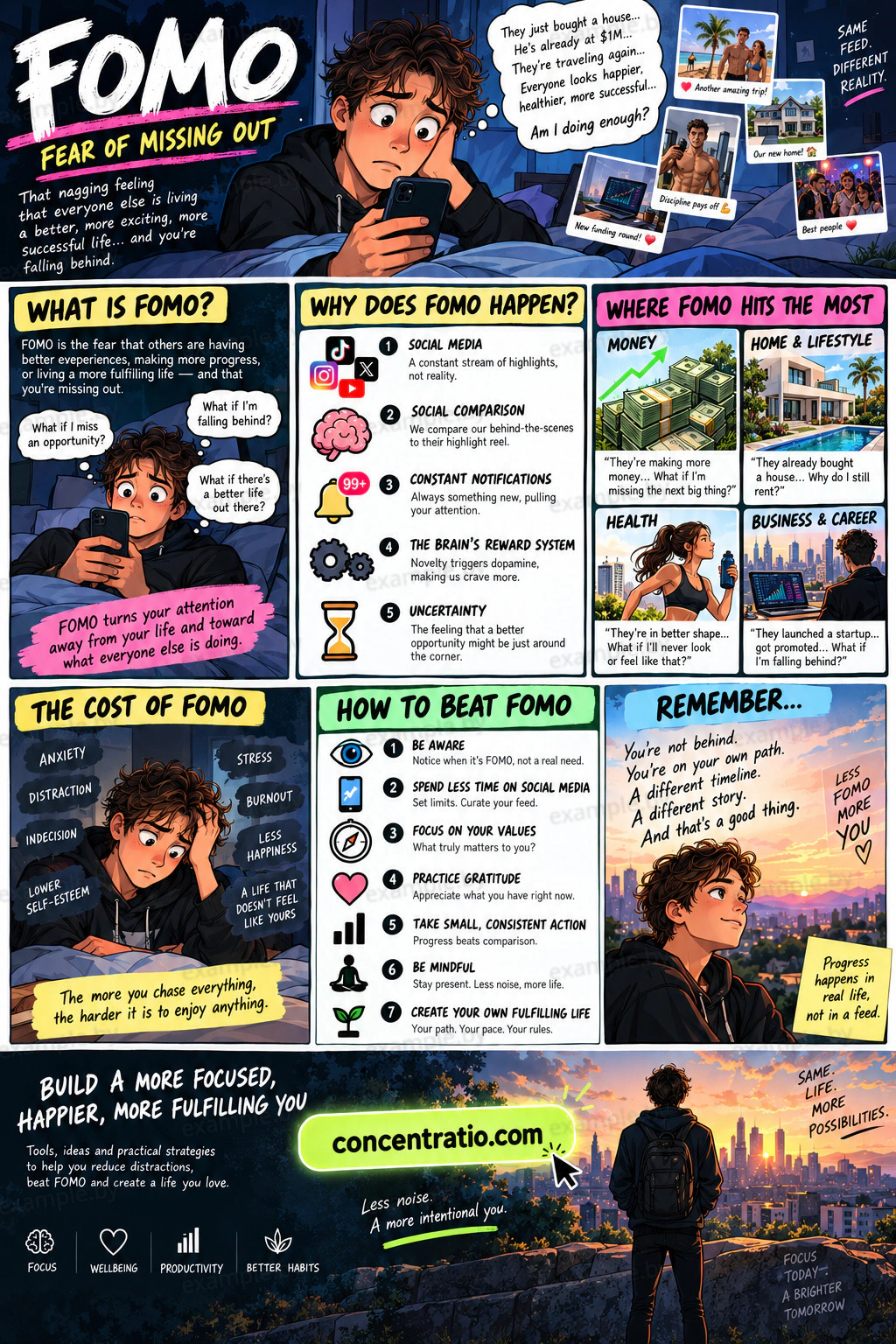 Medicine · 03.10.26
FOMO: Why Everyone Seems to Be Doing Better Than You
 Culture · 27.10.26
Why One Family Can Have Different Surnames
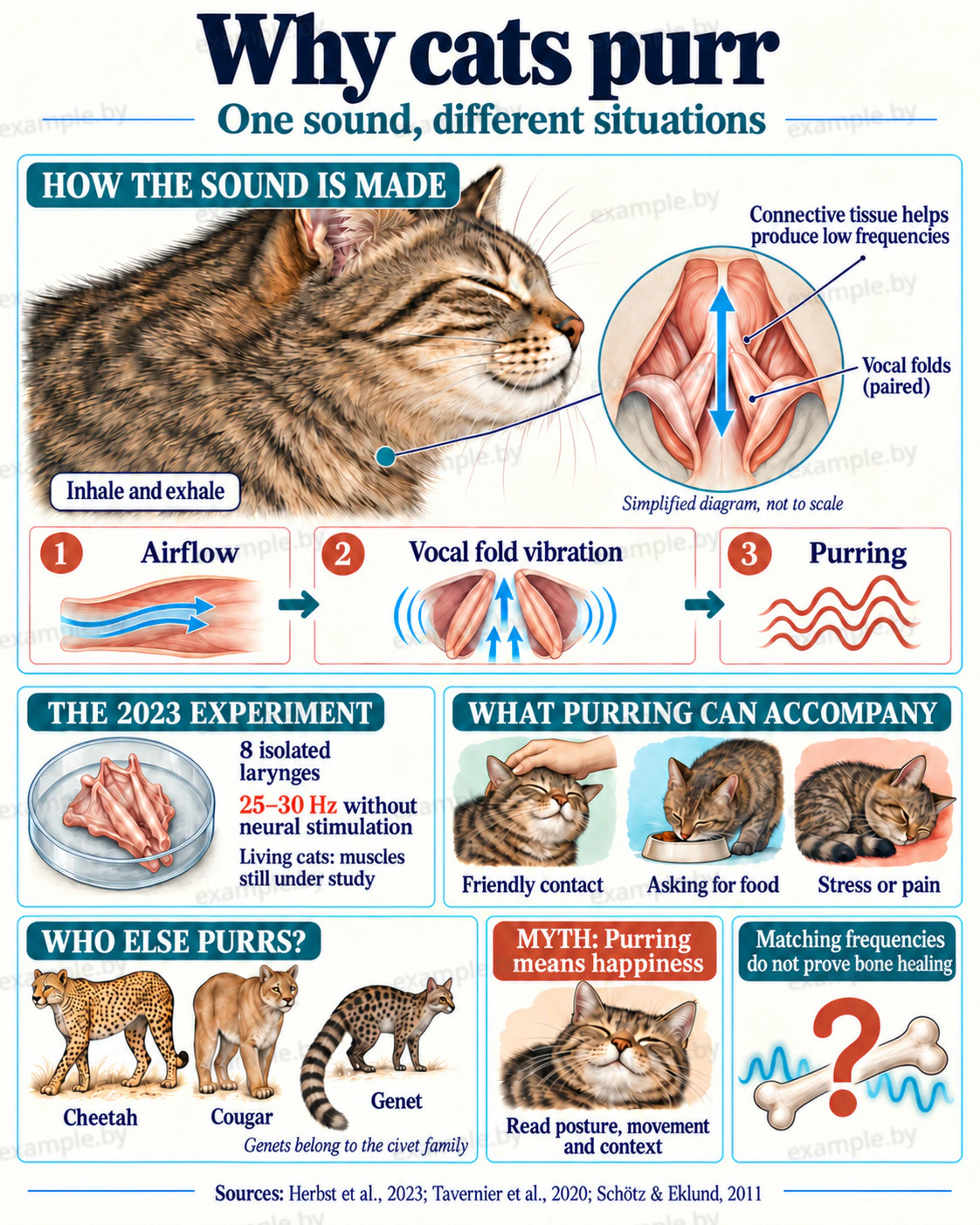 Biology · 19.10.26
Why Cats Purr and What the Sound Really Means