Sleep: What Really Happens to Us Every Night
Sleep is not brain downtime, but an active whole-body operating mode. We break down sleep stages, circadian biology, and why catching up on weekends fails.
- Date
- Reading
- 22 minutes
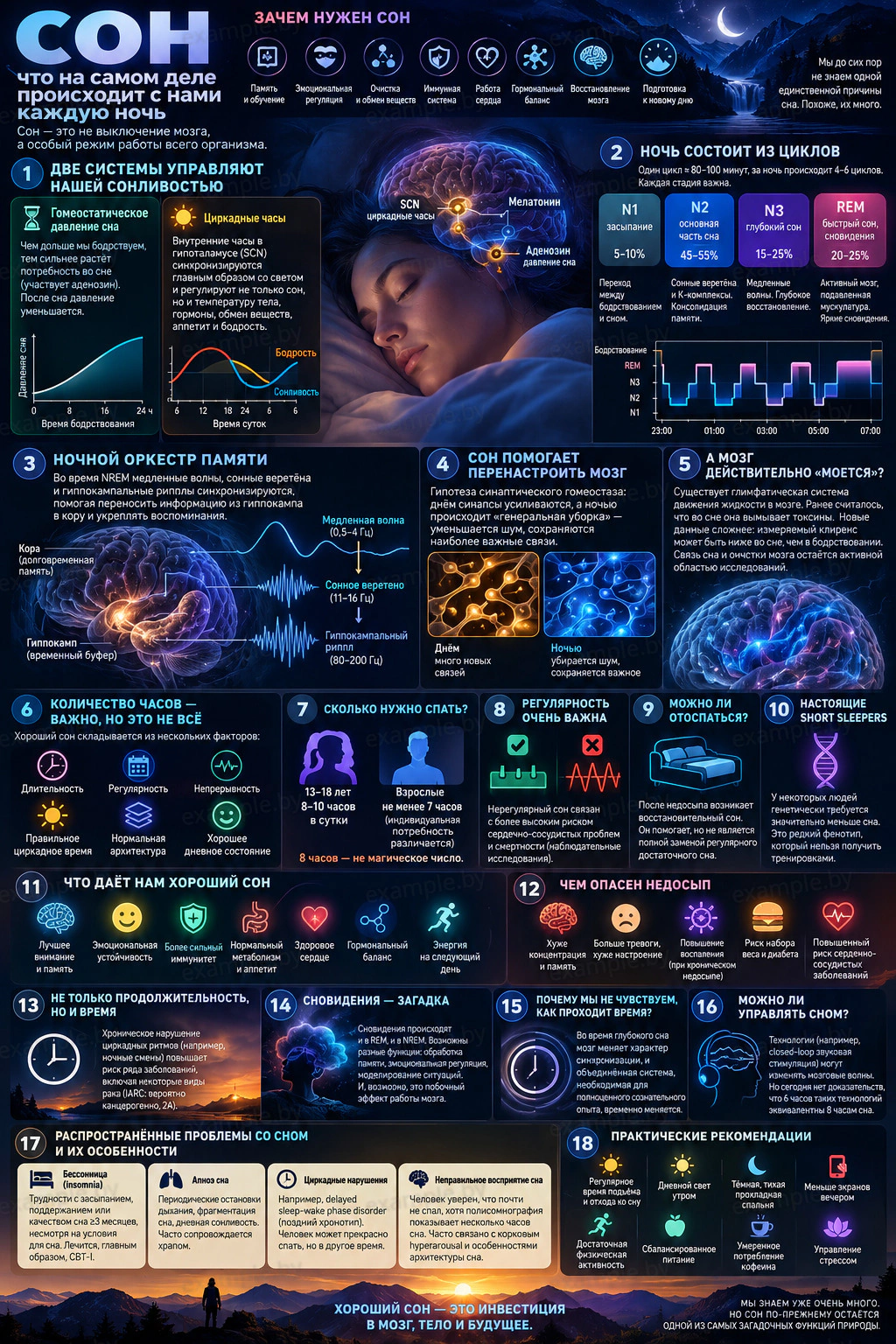
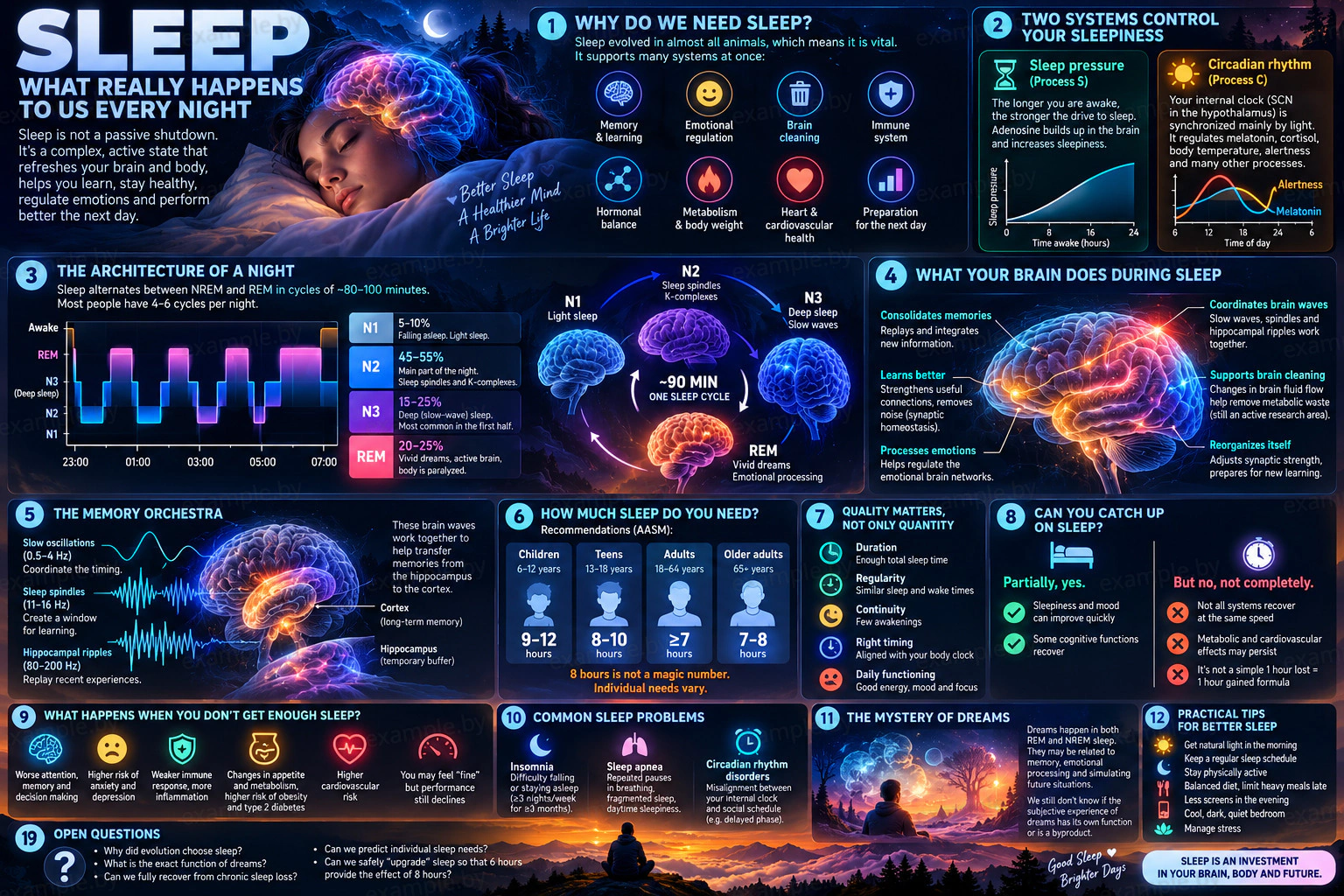
Why We Spend a Third of Our Lives in a State Where We Control Almost Nothing
Imagine a truly bizarre biological function.
Every day, a human voluntarily lies down, closes their eyes, largely tunes out the surrounding world, and spends hours in a state where their ability to respond to danger is severely compromised.
From an evolutionary perspective, that is an enormous cost.
Yet sleep has been preserved across virtually every well-studied animal species.
This means whatever happens during these hours is so vital that evolution kept sleep despite its glaring hazards.
And that is where things get interesting.
We still do not know of a single, unifying reason why we sleep.
In fact, it seems no single reason exists.
Sleep is simultaneously involved in:
memory → learning → synaptic plasticity → emotional regulation → immune function → metabolism → cardiovascular health → hormonal rhythms → restoring the brain's capacity to function the following day.
That is why the best modern metaphor for sleep is not "the brain shutting down."
Rather:
the entire organism has switched to a different operating mode.
1. Falling Asleep Begins Long Before You Hit the Pillow
Our drive to sleep is governed by at least two major systems.
🧪 System 1: Sleep Pressure
While you are awake, your need for sleep steadily builds.
This process is known as sleep homeostasis, or homeostatic sleep pressure.
One key player in this system is adenosine.
The longer you stay awake, the stronger its somnogenic signaling becomes.
During sleep, this pressure dissipates.
This is why maintaining focus after 16 hours of wakefulness is substantially harder than after three.
☀️ System 2: The Circadian Clock
There is also a second system, which operates almost independently of how many hours you have been awake.
Located in the hypothalamus are the suprachiasmatic nuclei, or SCN.
This is the master pacemaker of the body's internal clock.
Its primary external cue is:
light.
Yet the circadian system regulates far more than just sleep.
It coordinates:
body temperature, melatonin secretion, cortisol, alertness, appetite, metabolism, and countless other processes.
This is why an exhausted person can suddenly catch a "second wind" late in the evening.
Sleep pressure is high.
Yet the circadian system continues to actively promote wakefulness for a little while longer.
Modern neuroscience is increasingly moving away from viewing these two systems as strictly independent; their interaction is far more intricate. (NHLBI)
2. A Night Is Not Just One Long Slumber
From a physiological standpoint, "sleep" is actually a dynamic succession of distinct brain states.
They fall into two broad categories:
NREM and REM.
NREM is further subdivided into:
N1 → N2 → N3.
Then comes REM.
And the cycle begins anew.
A single cycle typically lasts about 80–100 minutes, repeating roughly 4–6 times per night. (NHLBI)
🌘 N1: The Boundary Between Worlds
This is the transition from wakefulness to sleep.
Responsiveness to the external world fades.
Muscles relax.
Thoughts become less linear.
Fleeting imagery or hypnagogic sensations often emerge.
N1 generally accounts for only a small fraction of the night.
🌙 N2: The Core of Sleep
Here, sleep is firmly established.
Two hallmark phenomena appear on the EEG.
Sleep Spindles
Brief bursts of oscillatory brain activity.
They are currently the focus of intense research due to their apparent role in learning and memory consolidation.
K-Complexes
Very large, isolated electrical waveforms.
One leading hypothesis suggests they allow the brain to process potentially meaningful external stimuli while keeping you from waking up completely.
N2 typically makes up the largest proportion of total nocturnal sleep.
🌊 N3: Deep Sleep
This is slow-wave sleep.
Large populations of cortical neurons begin firing in remarkable synchrony.
High-amplitude, slow delta waves dominate the EEG.
N3 is concentrated predominantly in the first half of the night.
Waking someone from this stage is notoriously difficult.
However, the popular notion that:
"deep sleep = the only useful sleep, and the rest barely matters"
is flatly wrong.
👁️ REM: An Awake Brain in a Paralyzed Body
REM stands for:
Rapid Eye Movement.
The eyes dart back and forth beneath closed lids.
Brain activity becomes desynchronized, closely resembling wakefulness in several respects.
At the same time, most skeletal muscle tone is actively suppressed.
This is where our most vivid dreams tend to occur.
There is also a crucial temporal pattern:
N3 dominates the first third of the night.
REM periods lengthen significantly toward morning.
Consequently, the idea that:
"as long as I get the first four hours, I'm fine"
does not work.
Cutting your sleep short in the morning disproportionately strips away REM sleep. (NHLBI)
🧠 3. Perhaps a Primary Function of Sleep: Processing Memory
You have made it through the day.
Your brain has taken in an overwhelming torrent of information.
Most of it is useless noise.
Some must be preserved.
Some must be linked to prior knowledge.
Some must be abstracted into concepts.
And some must be forgotten.
Sleep provides an ideal, offline window for this computational work.
The Hippocampus as a Temporary Buffer
When acquiring new experiences, the hippocampus plays a critical role.
In highly simplified terms:
during the day, new information is temporarily encoded, heavily dependent on the hippocampus;
at night, subsets of these neural traces are reactivated;
over time, the information is integrated into distributed neocortical networks.
The real elegance, however, lies in how the brain orchestrates its electrical rhythms.
🎼 The Triple Rhythm of Memory
During NREM, researchers observe a delicate interplay among:
slow oscillations
↓
sleep spindles
↓
hippocampal sharp-wave ripples
Human studies demonstrate precise temporal coupling among these phenomena. (Nature)
A 2025 review continues to identify the phase-locking of slow oscillations, spindles, and hippocampal ripples as a central mechanism driving memory transfer and reorganization during sleep. (PubMed)
Think of it as an orchestra.
The slow cortical wave sets the broad tempo.
The spindle opens a precise transmission window.
At that exact moment, the hippocampus replays a compressed packet of information.
Conceptual Model
Daytime experience
↓
🧠 hippocampus
↓ sleep
〰️ slow wave
↓
🌀 spindle
↓
⚡ ripple + replay
↓
🧠 cortex
↓
a more stable memory
Keep in mind, this is a conceptual model, not a literal file transfer from one brain region to another.
4. Sleep Does Not Just Save Yesterday’s Data
It also resets the brain for tomorrow.
During prolonged wakefulness, vast numbers of synapses are strengthened as you learn and interact with the world.
An influential framework, the synaptic homeostasis hypothesis, posits that sleep scales down this overall synaptic weight.
It does not erase connections.
Instead, it dials down baseline neural "noise," preserving the strongest and most meaningful adaptations.
This clears capacity, allowing the brain to learn effectively again the next day.
Sleep deprivation therefore strikes a double blow:
you encode new information worse today,
and you consolidate it worse tonight.
🫧 5. Does the Brain Really "Wash Itself" at Night?
This is a textbook example of why we must be careful before turning an early scientific hypothesis into an oversimplified viral fact.
The brain possesses a fluid-transport network running along perivascular channels and through interstitial tissue, involved in clearing metabolic waste products.
It is known as the:
glymphatic system.
A seductive narrative quickly took hold:
as soon as we fall asleep, the brain turns on its night-time dishwasher to rinse away the day's toxic debris.
Substantial research does support a link between coordinated neural activity, cerebrospinal fluid flow, and clearance pathways. (Nature)
Yet the full picture has turned out to be far more nuanced.
In 2024, a study published in Nature Neuroscience directly quantified the clearance of tracer molecules from the brains of mice.
The findings were surprising:
measured brain clearance was actually reduced during sleep and anesthesia compared to wakefulness. (Nature)
This does not mean:
"the glymphatic system is a myth."
Nor does it mean:
"sleep has nothing to do with fluid dynamics in the brain."
What it does mean is:
the sweeping claim that "the main purpose of sleep is flushing out toxins" remains far from settled science.
⏰ 6. Why "How Many Hours of Sleep Do We Need?" Is the Wrong Question
The standard question is always:
how many hours of sleep are enough?
Yet two people who both spent eight hours in bed may have experienced entirely different nights.
One had:
8 hours of consolidated, uninterrupted rest.
The other had:
8 hours punctuated by dozens of micro-arousals.
Contemporary sleep medicine uses a multi-dimensional framework:
**sleep health = duration
regularity
continuity
appropriate circadian timing
architecture
daytime functioning.**
For Teenagers
The AASM recommends that adolescents aged 13–18 sleep 8–10 hours per 24 hours on a regular basis. (AASM)
For Adults
For healthy adults, the consensus recommendation is at least 7 hours per night on a regular basis, though individual needs vary across the population. (AASM)
The takeaway:
eight hours is not an immutable magic number.
📆 7. Regularity Matters Far More Than You Think
Compare two sleep schedules.
Schedule A
23:30 → 07:30 almost every single day.
Schedule B
02:30 → 08:30 23:00 → 07:00 04:00 → 12:00 01:00 → 07:00.
The average sleep duration across the week might look similar.
Yet the circadian systems in these two scenarios are dealing with radically different signals.
Large-scale analyses from the UK Biobank have linked irregular sleep patterns to a higher incidence of adverse cardiovascular events and all-cause mortality. Because these are observational studies, they cannot establish direct causality on their own. (PubMed)
Still, they underscore a critical paradigm shift in somnology:
we can no longer evaluate sleep quality based on duration alone.
🥱 8. The Trappiest Feature of Sleep Deprivation: Subjective Adaptation
A landmark two-week sleep restriction study illustrated this vividly.
Participants were restricted to time in bed of:
8 hours, 6 hours, or 4 hours per night.
In the four- and six-hour groups, objective cognitive deficits steadily compounded day after day.
Yet their subjective ratings of sleepiness plateaued early. (PubMed)
This creates a dangerous blind spot.
People convince themselves:
"I've gotten used to six hours of sleep."
While objective performance testing shows:
"your cognitive errors are continuing to climb."
This is why saying:
"I feel completely fine"
is a notoriously unreliable gauge of whether you are actually getting enough sleep.
🧬 9. Natural Short Sleepers Really Do Exist
There is a rare biological phenotype known as:
familial natural short sleep.
Individuals with this trait naturally sleep far fewer hours than average without displaying daytime sleepiness or cognitive impairments.
Researchers have pinpointed rare gene mutations in these families that alter sleep-wake regulation.
However, it is easy to draw the wrong conclusion here.
A natural short sleeper:
is not someone who has conditioned themselves to tolerate five hours of rest.
They are people whose biology inherently requires unusually little sleep.
You cannot train yourself to become a natural short sleeper.
🛌 10. Can You "Catch Up" on Sleep Over the Weekend?
Intuitively, sleep feels like a bank ledger.
You need:
8 × 5 = 40 hours.
You slept:
30 hours.
You owe 10 hours.
You sleep an extra ten hours on Saturday and Sunday.
Debt cleared.
Human physiology does not work that way.
Following sleep restriction, the body does mount recovery sleep.
Sleep latency drops.
Total sleep time can temporarily expand.
Slow-wave sleep pressure surges.
Alertness and mood often rebound quickly.
However, different physiological systems recover at vastly different rates.
Recent 2025 reviews indicate that while weekend catch-up sleep can offer partial recovery, it is not a physiological equivalent to consistent, adequate nightly sleep. (PubMed)
❤️ 11. What Sleep Deprivation Does to the Body
A single bad night is frustrating.
Yet our biology is remarkably resilient and well-equipped to handle the occasional sleepless night.
The true danger lies elsewhere:
chronic sleep deficiency.
🧠 The Brain
There is progressive degradation across:
sustained attention, reaction time, working memory, and executive function.
Crucially:
individuals consistently underestimate the magnitude of their own cognitive decline. (PubMed)
🎭 Emotions
A comprehensive 2024 meta-analysis synthesized data from 154 experimental studies involving 5,717 participants.
Various forms of sleep loss consistently dampened positive affect and heightened symptoms of anxiety. (PubMed)
Sleep cannot be viewed simply as a cognitive battery charger.
It is a fundamental pillar of emotional stability.
🦠 The Immune System
The relationship is bidirectional.
During an infection, immune signaling reshapes sleep architecture.
Conversely, sleep loss disrupts immune homeostasis.
An updated 2025 meta-analysis highlighted an instructive distinction:
a single night of sleep loss did not produce consistent elevations in inflammatory biomarkers.
In contrast, several consecutive nights restricted to around 4.3 hours of sleep were accompanied by significant increases in IL-6 and CRP. (PubMed)
This highlights the stark difference between:
"I slept poorly last night"
and
"I haven't slept properly in months."
🍔 12. Sleep and Metabolism
Sleep deprivation impairs multiple metabolic pathways at once.
It alters appetite-regulating hormones.
It decreases insulin sensitivity.
It reduces spontaneous physical activity.
It drives cravings toward calorie-dense foods.
It disrupts the synchronization of peripheral circadian clocks in the liver, skeletal muscle, and adipose tissue.
This is why sleep is now widely recognized alongside:
nutrition + exercise
as a core pillar of metabolic health.
❤️🩹 13. The Heart Also Changes Gears at Night
During normal NREM sleep, sympathetic tone retreats.
Heart rate declines.
Blood pressure drops (nocturnal dipping).
This offers a window of reduced hemodynamic stress for the cardiovascular system.
Chronic sleep fragmentation, circadian misalignment, and insufficient sleep derail these nighttime drops in blood pressure.
A growing body of literature indicates that protecting cardiovascular health requires:
duration + regularity + circadian alignment. (PubMed)
🌌 14. What Are Dreams For?
Here we enter the realm of genuine scientific enigma.
The most important starting point is this:
dreaming ≠ REM sleep.
Dreaming occurs in both REM and NREM states.
And modern neuroscience has yet to definitively answer whether the subjective experience of dreaming serves an evolutionary function in its own right.
Several non-exclusive hypotheses exist.
Dreams might simply accompany memory consolidation.
They could provide a safe virtual reality for threat simulation.
They might facilitate emotional processing.
Or perhaps:
they are an experiential byproduct of underlying neural computation that serves other physiological purposes.
Consciousness researchers study sleep because a single human brain regularly cycles through at least three distinct states:
conscious wakefulness
→
dreamless sleep without recallable experience
→
sleep with vivid, immersive subjective worlds.
This makes sleep one of nature's most powerful living laboratories for probing consciousness. (PubMed)
🕳️ 15. Where Do Six Hours of Your Life Disappear?
You shut your eyes.
And your very next conscious experience is:
morning.
Physically, seven hours have elapsed.
Subjectively, time ceased to exist.
It is an extraordinary phenomenon.
During deep NREM, vast cortical populations oscillate synchronously between hyperpolarized "down-states" and depolarized "up-states."
This intense slow-wave synchrony appears to disrupt the brain's ability to support long-range, complex information integration across distant cortical areas.
In simple terms:
individual brain regions remain active,
but the integrated network architecture necessary to sustain conscious awareness is temporarily reorganized.
Why particular patterns of neural firing yield subjective awareness in the first place remains one of the great unsolved problems in science.
😵💫 16. An Even Stranger Phenomenon: Sleeping While Convinced You Are Awake
This clinical paradox is known as:
sleep-state misperception.
A patient might wake up and insist:
"I stared at the ceiling all night long."
Yet polysomnography records several hours of uninterrupted physiological sleep.
This used to be casually dismissed:
"the patient is just imagining it."
Today, the explanation runs deeper.
A 2025 review links sleep-state misperception to persistent cortical hyperarousal, atypical sensory gating, and subtle alterations in sleep micro-architecture. (PubMed)
Another contemporary study tied subjective underestimation of sleep time to a higher density of micro-arousals and fragmented sleep architecture. (PubMed)
This introduces a fascinating possibility:
physiologically, the brain is asleep,
yet localized patterns of vigilance continue to fire as if awake.
🌙 17. Insomnia Is Not Just "Sleeping Too Little"
Consider this scenario:
someone goes to bed at 02:00 and wakes up at 06:30.
They are sleeping short hours.
Yet they may have no insomnia whatsoever.
They simply gave themselves an inadequate sleep opportunity.
Clinical insomnia is fundamentally different:
adequate opportunity and environment for sleep are present, yet the person suffers chronic difficulty initiating sleep, maintaining sleep, or achieving restful sleep, resulting in daytime distress and impairment.
Insomnia is defined as chronic when symptoms occur at least three nights a week for three months or longer. (NHLBI)
Crucially, insomnia frequently outlives its original trigger.
For example:
stress
↓
several sleepless nights
↓
anticipatory anxiety about sleep
↓
clock-watching
↓
"I must fall asleep right this second"
↓
physiological arousal
↓
sleep becomes even more elusive.
That is why chronic insomnia rarely yields to generic advice like:
"just put your phone away and relax."
🧠 18. CBT-I: The Seemingly Counterintuitive Gold Standard
The updated 2025 VA/DoD clinical practice guideline issues a strong recommendation for CBT-I (Cognitive Behavioral Therapy for Insomnia) as the primary first-line treatment for chronic insomnia. (Health Quality)
CBT-I targets far more than unhelpful thoughts.
It systematically restructures behaviors that perpetuate insomnia, utilizing stimulus control, sleep restriction, and circadian entrainment.
Basic sleep hygiene can be a helpful supportive foundation.
However, when confronting chronic insomnia, sleep hygiene alone is not an acceptable substitute for CBT-I. (Health Quality)
😮💨 19. Sometimes the Culprit Has Nothing to Do with Sleep Centers
Take obstructive sleep apnea (OSA), where the upper airway repeatedly collapses during sleep.
Sleep architecture is repeatedly shattered.
The sleeper is often oblivious to dozens or hundreds of micro-awakenings throughout the night.
Classic symptoms include loud snoring, witnessed breathing pauses, gasping, and debilitating daytime sleepiness. (NHLBI)
In other words:
"I spent eight hours in bed"
is very different from:
"I got eight hours of restorative sleep."
🕰️ 20. When the Problem Is Not Sleep Quality, but Bad Timing
There is an entire category of conditions known as:
circadian rhythm sleep-wake disorders.
A person might sleep flawlessly from 03:00 to 11:00.
Yet trying to fall asleep at 22:30 is an impossible struggle.
When school, work, or social commitments demand a 06:30 wake-up time, an intractable chronic conflict ensues.
These conditions include delayed sleep-wake phase disorder, advanced sleep-wake phase disorder, non-24-hour sleep-wake rhythm, and irregular sleep-wake rhythm disorder. (NHLBI)
Adolescence is particularly prone to this: biological circadian rhythms naturally delay during puberty. (NHLBI)
⌚ 21. Why Your Smartwatch Does Not Actually Know Your Deep Sleep Numbers
Clinical sleep staging relies on definitive physiological measurements:
cortical EEG + electrooculography (eye movements) + electromyography (muscle tone).
A wrist-worn tracker measures none of these directly.
Instead, it captures:
accelerometer motion, heart rate, heart rate variability, and peripheral temperature.
An algorithmic model then estimates:
this probably corresponds to N2;
this looks like N3;
this is likely REM.
Consequently, an app reading:
Deep sleep: 1 h 23 min
is an algorithmic estimate, not clinical polysomnography.
Obsessing over "squeezing out 17 more minutes of deep sleep" based on a wearable is scientifically baseless.
🧬 22. Sleep and Cancer: Where Alarmism Runs Wild
The internet is full of terrifying claims like:
"sleep six hours and you will get cancer."
That is an unsubstantiated oversimplification.
Epidemiological studies looking at self-reported habitual sleep duration and cancer risk show inconsistent results.
The far stronger and more compelling body of evidence points toward a different factor:
chronic circadian disruption.
The IARC classifies night shift work as:
probably carcinogenic to humans (Group 2A).
Even this requires careful reading.
It does not mean:
"working night shifts will inevitably cause cancer in everyone."
Human epidemiological evidence remains limited, whereas animal models and mechanistic biological evidence are considerably stronger. (IARC)
Once again, this proves that when it comes to sleep, the critical question is not just:
how much,
but also:
when.
🚀 23. Could We Ever Compress Eight Hours of Restoration into Six?
This is where cutting-edge neuroscience begins to flirt with science fiction.
One of the most active frontiers is:
closed-loop auditory stimulation.
A sleeper wears an EEG headset that tracks slow waves in real time.
Algorithms identify the exact phase of the oscillation.
At precisely the right millisecond, a faint auditory click is delivered.
The goal:
not to wake the sleeper,
but to amplify and synchronize specific endogenous slow-wave rhythms.
Recent studies confirm that the effect hinges crucially on the precise timing of stimulation relative to sleep spindles. (PubMed)
Yet there is a humbling lesson here.
A 2026 home-use study successfully enhanced slow oscillations, yet failed to show meaningful improvements in memory consolidation or subjective alertness. (PubMed)
Similarly, manipulating slow-wave activity in insomnia patients did not translate into reliable improvements in subjective sleep quality or memory performance. (PubMed)
The bottom line:
modifying an EEG waveform ≠ enhancing sleep function.
To date, no technology exists that can honestly back up the claim:
"6 hours of this sleep are physiologically equivalent to 8 hours of normal rest."
🔮 24. Five Big Mysteries Science Has Yet to Solve
Step back from the research, and several fundamental questions remain wide open.
Why did evolution mandate prolonged offline vulnerability?
We can identify dozens of vital processes that occur during sleep, but we still do not understand why they require full behavioral disconnection.
Why do we dream?
We can map the neural correlates of dreaming.
Yet we still do not know whether subjective dream experiences carry an adaptive evolutionary function or are merely an epiphenomenon of offline computation.
How do we measure an individual's true biological sleep need?
Today, we rely on population averages like 7–9 or 8–10 hours.
An ideal clinical biomarker would analyze your brain and metabolic state and declare:
tonight, your physiology requires 8 hours and 17 minutes.
No such diagnostic tool exists.
Can sleep debt truly be erased?
We know recovery sleep helps restore baseline function.
Yet different biological systems clear their deficits on vastly different timelines.
There is no simple exchange rate:
one lost hour tonight = one extra hour tomorrow.
Can we "program" sleep?
Could we selectively augment:
memory,
learning,
emotional processing,
or metabolic repair,
without compromising other nocturnal functions?
Closed-loop neuromodulation suggests intervening in sleep architecture is theoretically possible.
True sleep programming, however, remains far out of reach.
🧠 25. The Best Working Model of Sleep Today
Historically, someone might glance at their clock and think:
"I got eight hours, so I must be in great shape."
The modern scientific perspective is far more comprehensive.
Healthy Sleep =
adequate duration
intact cyclical architecture between NREM and REM
minimal pathological fragmentation
stable day-to-day regularity
timing aligned with your internal circadian rhythm
sustained daytime alertness and well-being.
This is why two eight-hour nights can be worlds apart physiologically.
💡 The Ultimate Takeaway
The most remarkable facet of sleep science is not how much we have uncovered.
It is how profound the remaining unknowns still are.
We can measure:
N1 → N2 → N3 → REM.
We record individual neurons.
We track delta waves.
We monitor sleep spindles.
We capture hippocampal ripples.
We document shifting blood pressure, heart rate, and endocrine cascades.
We can even deliver an auditory click at a designated millisecond to nudge an emerging brain wave.
Yet we still cannot fully bridge the three levels of analysis:
neuronal circuits
↓
systemic function
↓
subjective conscious experience.
And that is precisely what makes sleep so endlessly captivating.
Every single night, almost every living human participates in one of nature’s most sophisticated experiments:
the brain disconnects from the outside world,
rewires its own circuitry,
generates entirely immersive virtual realities,
curates memory,
recalibrates the entire body,
and several hours later, seamlessly hands consciousness back to you.
And we are still trying to understand:
what it was actually doing the entire time. :::
Liked it? Save it for later.
 Medicine · 05.10.26
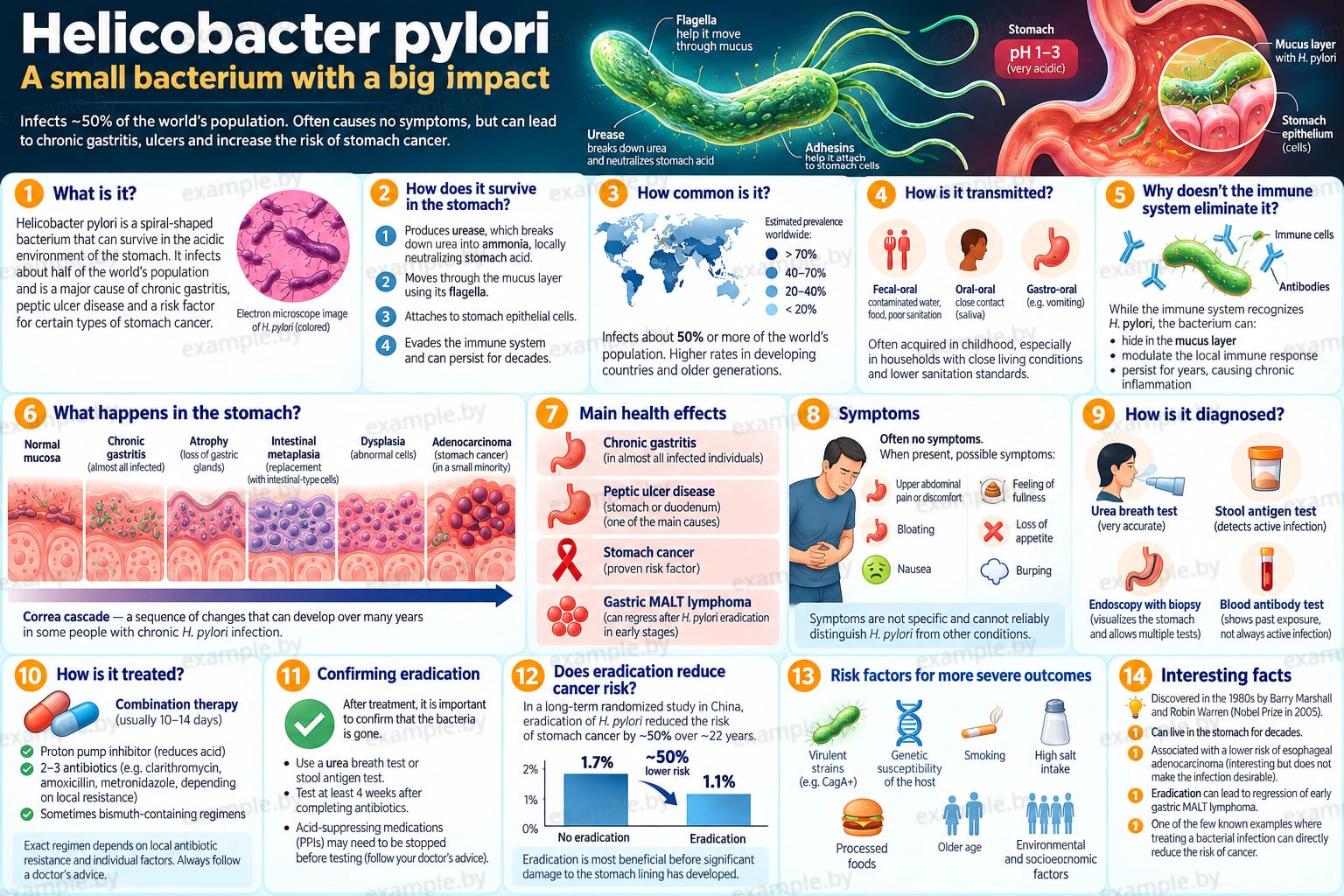
How Helicobacter pylori Survives Stomach Acid
 Medicine · 03.10.26
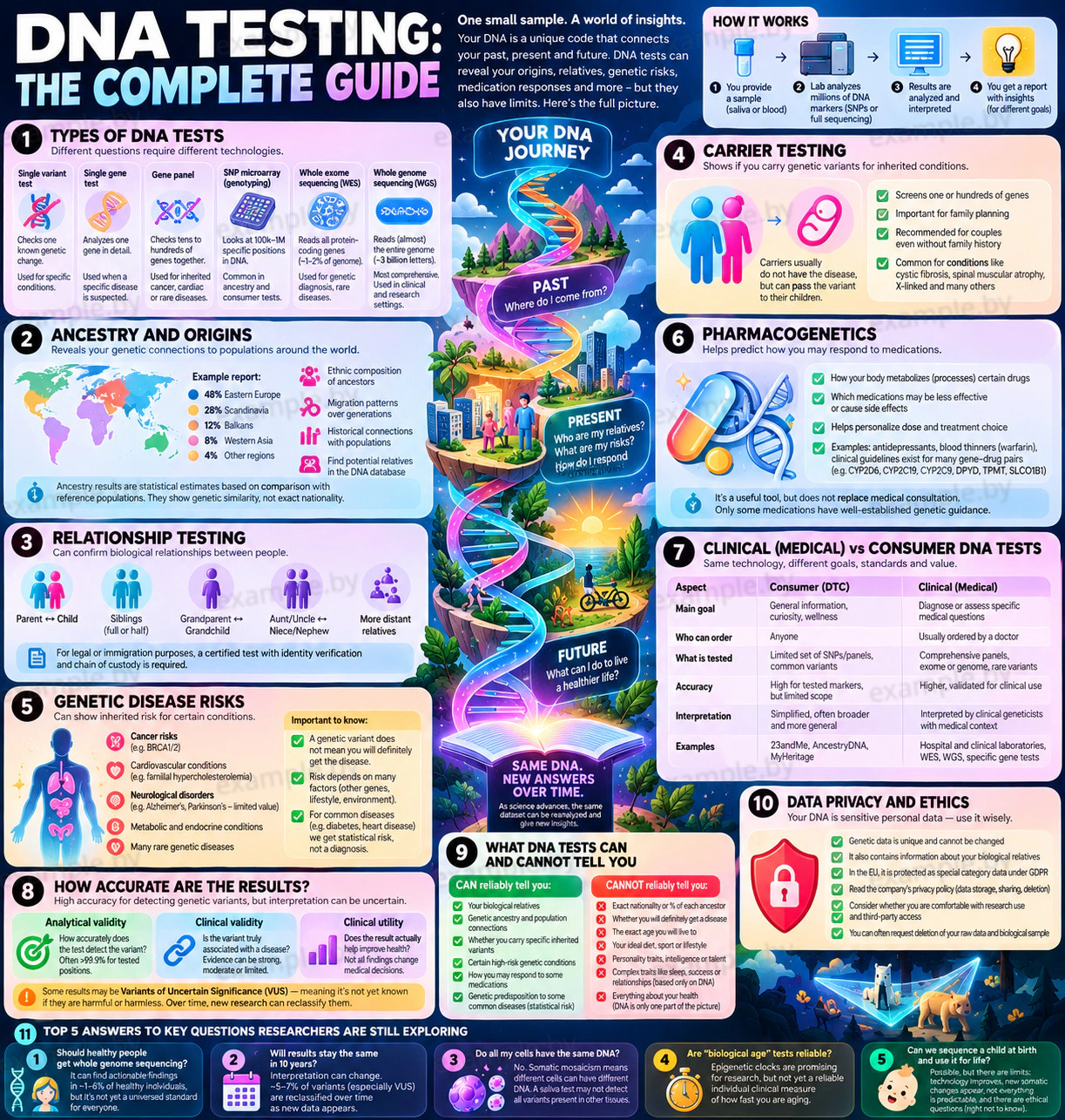
What DNA Tests Can Actually Reveal
 Body · 18.10.26
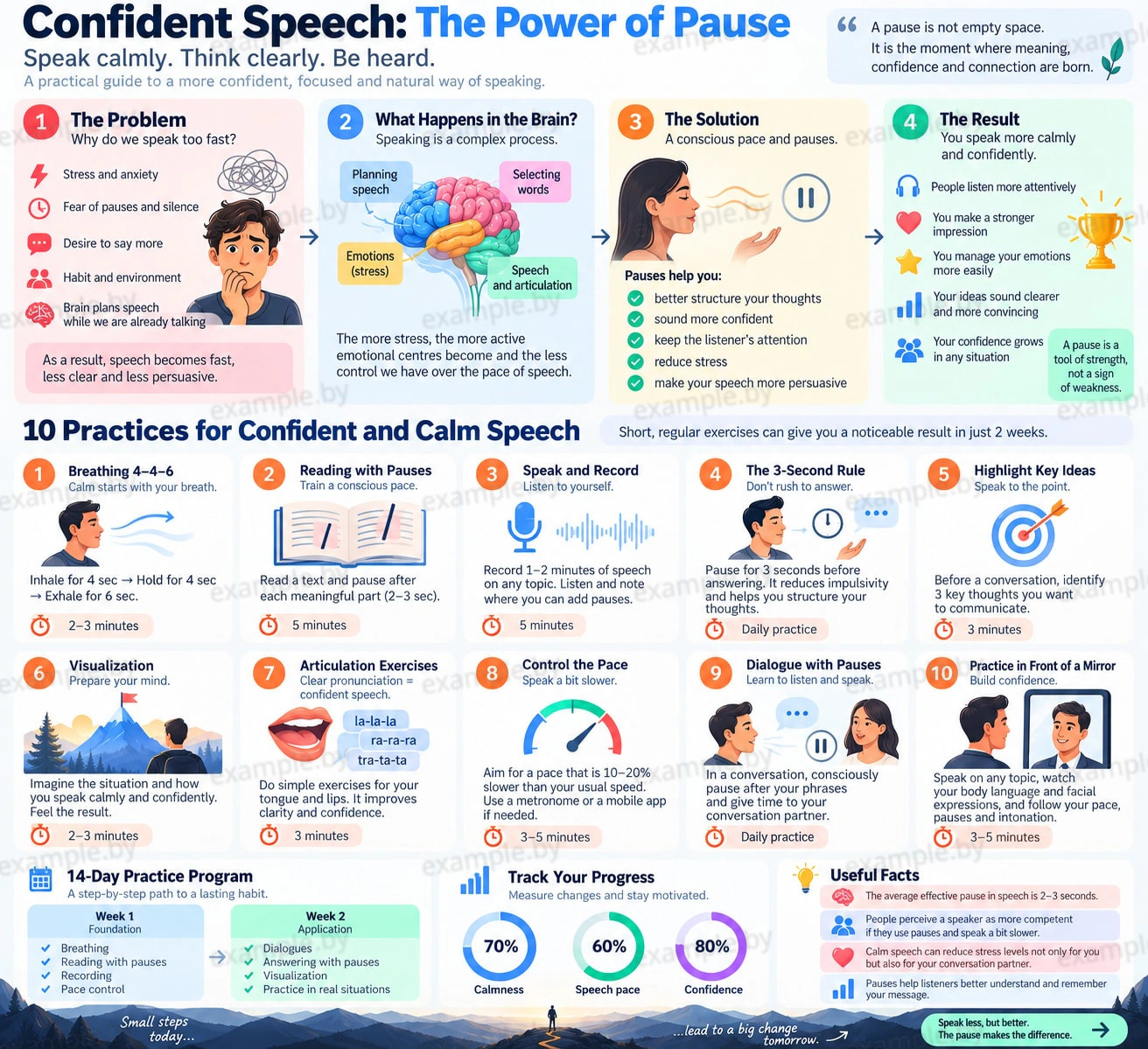
The Art of the Pause: How to Speak Calmly and Confidently
 Body · 15.10.26
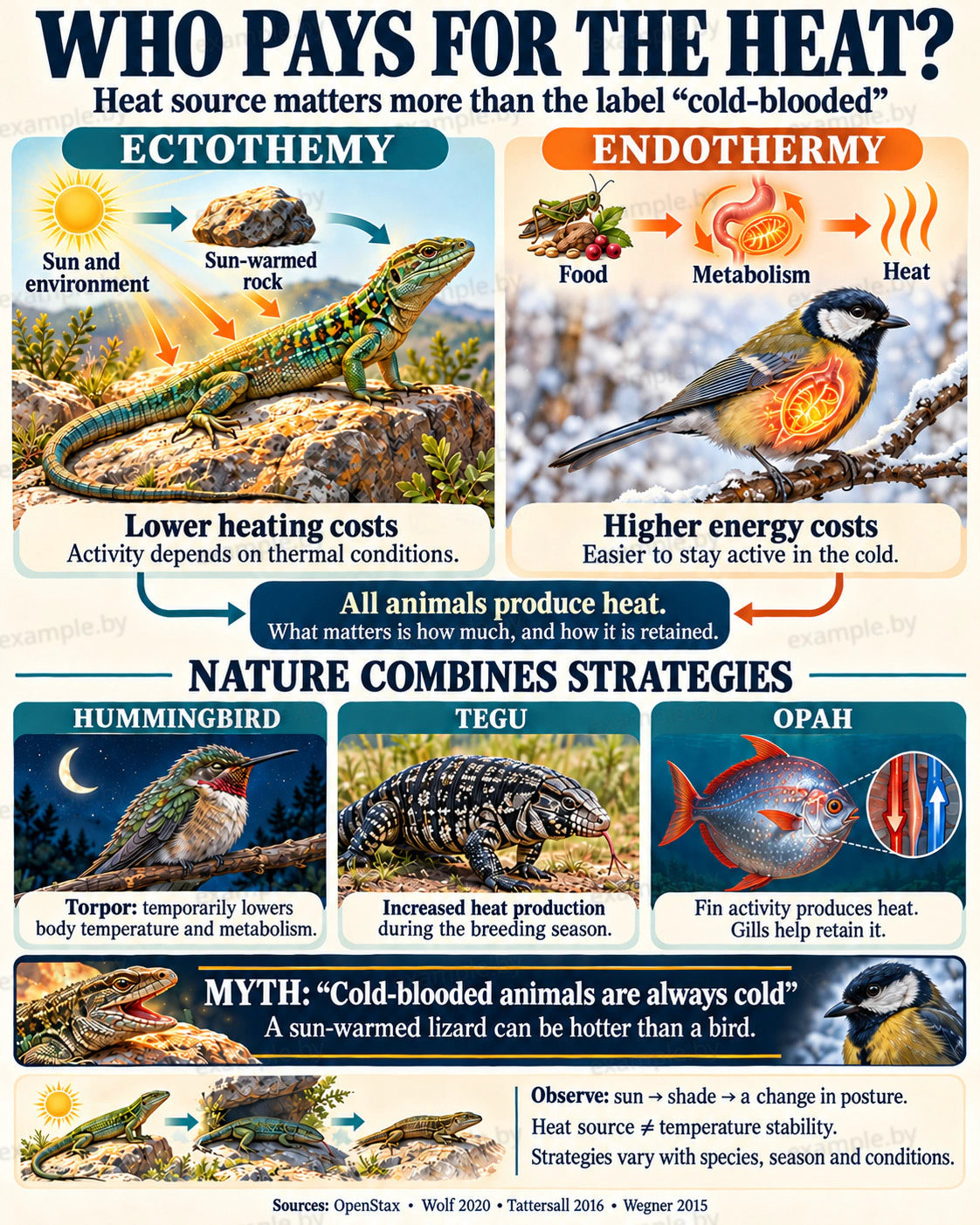
Who Pays for Heat: Why a Lizard Can Be Hotter Than a Bird
 Technology · 13.10.26
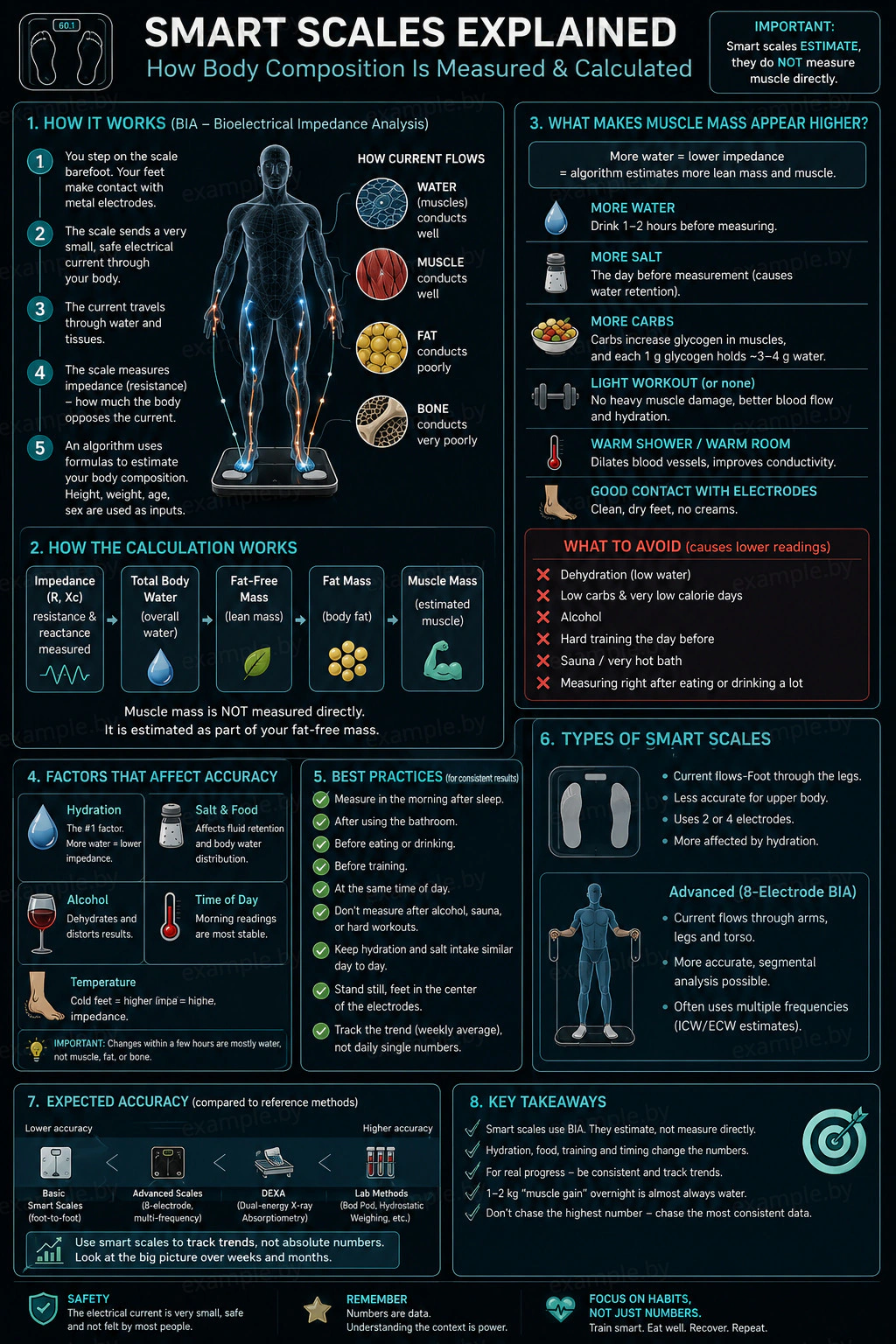
How Smart Scales Track Muscle and Water
 Body · 13.10.26
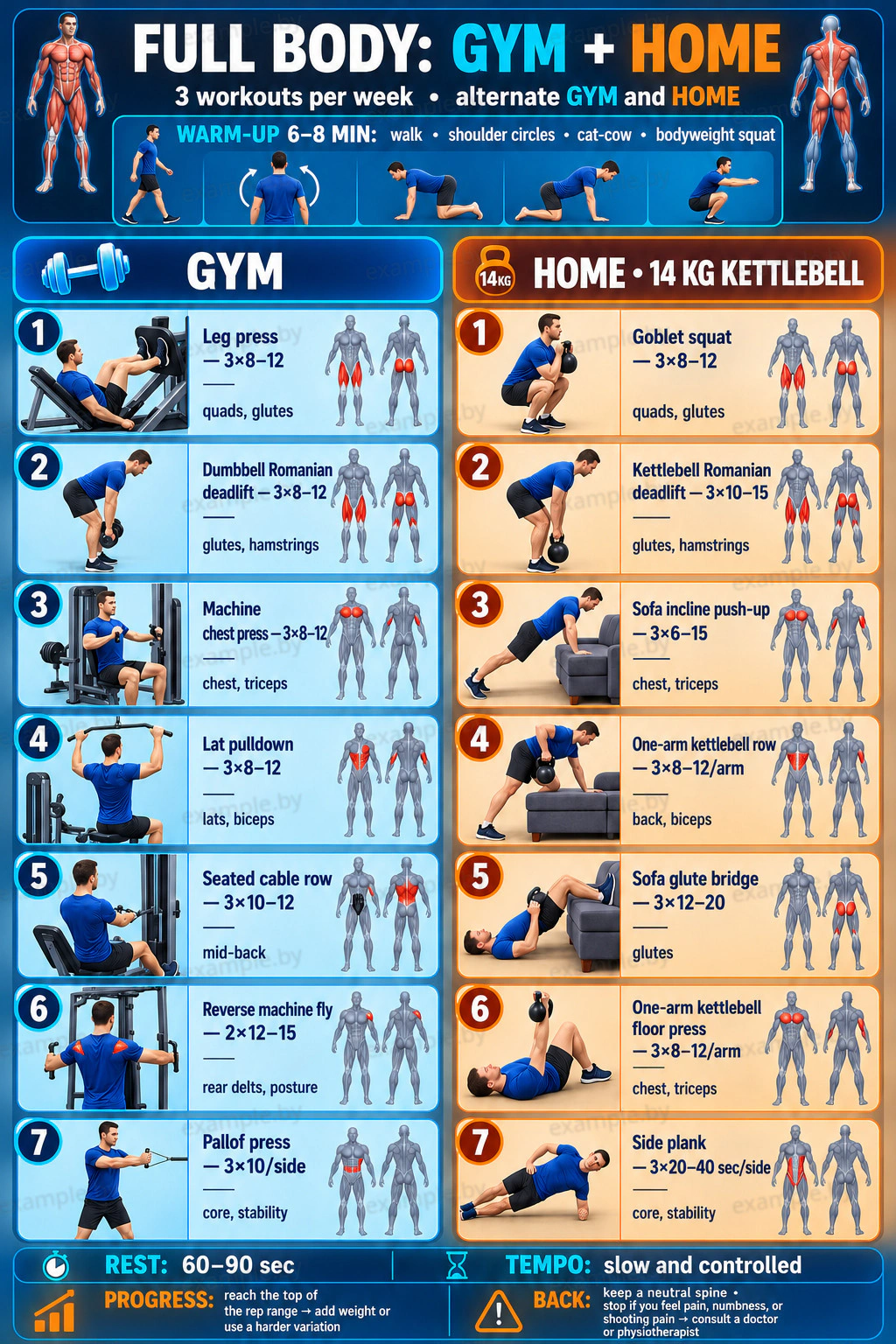
Full-Body Home Workout with One Kettlebell and a Couch
 Medicine · 11.10.26
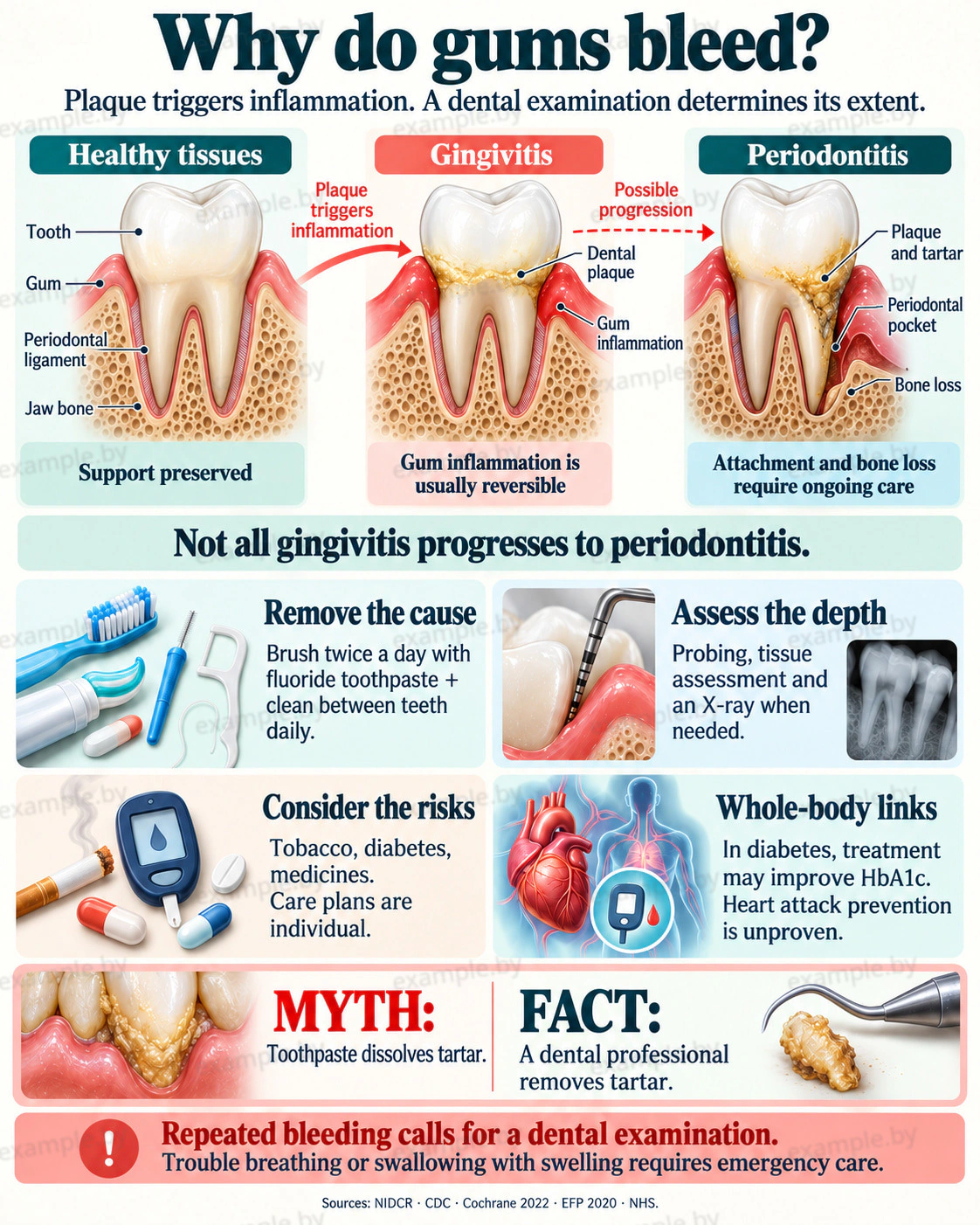
Why Gums Bleed and Where the Real Danger Begins
 Medicine · 11.10.26
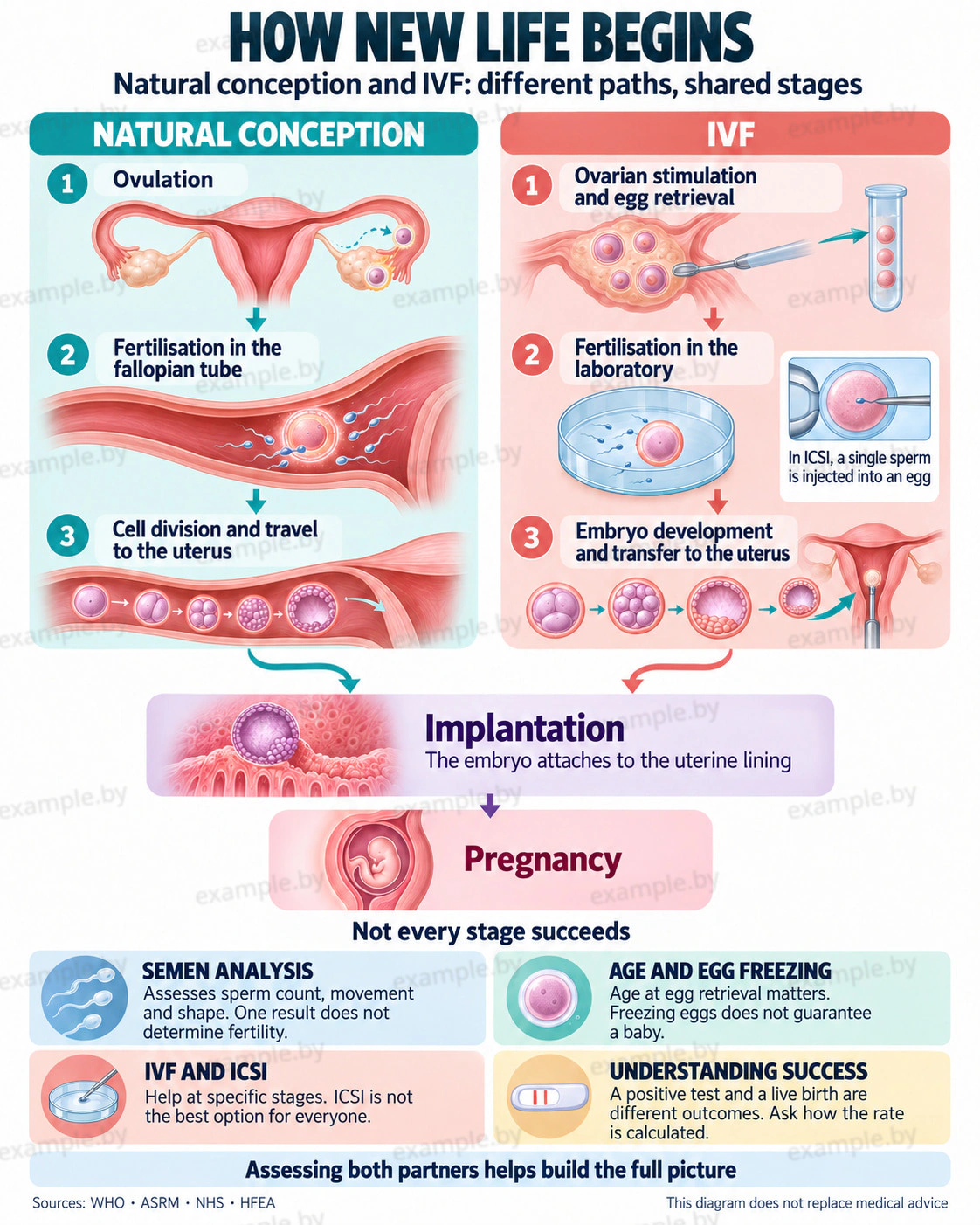
How Life Begins: From Conception to IVF
 Body · 10.10.26
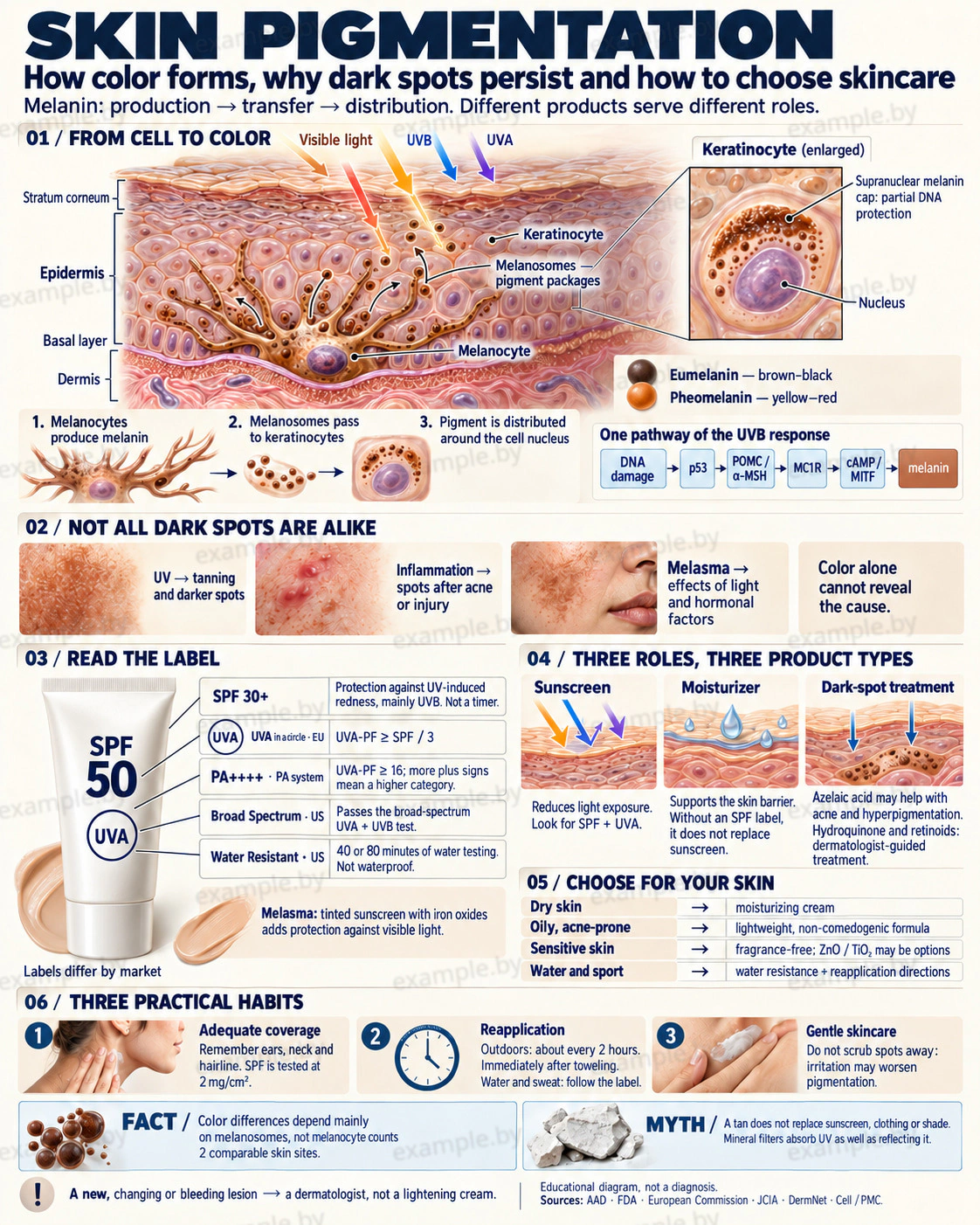
Skin Pigmentation: How Cells Talk to the Sun
 Medicine · 05.10.26
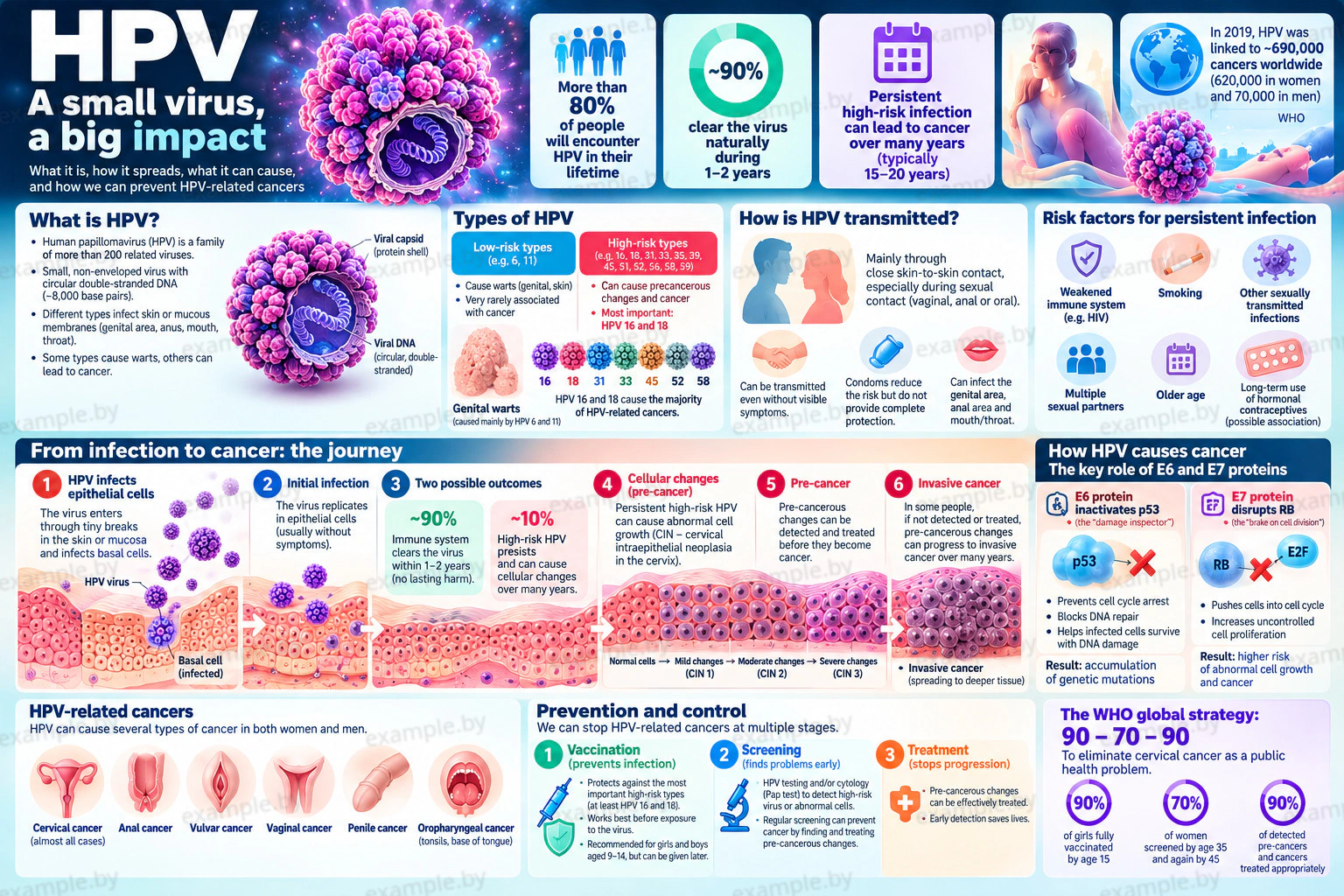
How HPV Can Lead to Cancer Decades Later
 Body · 03.10.26
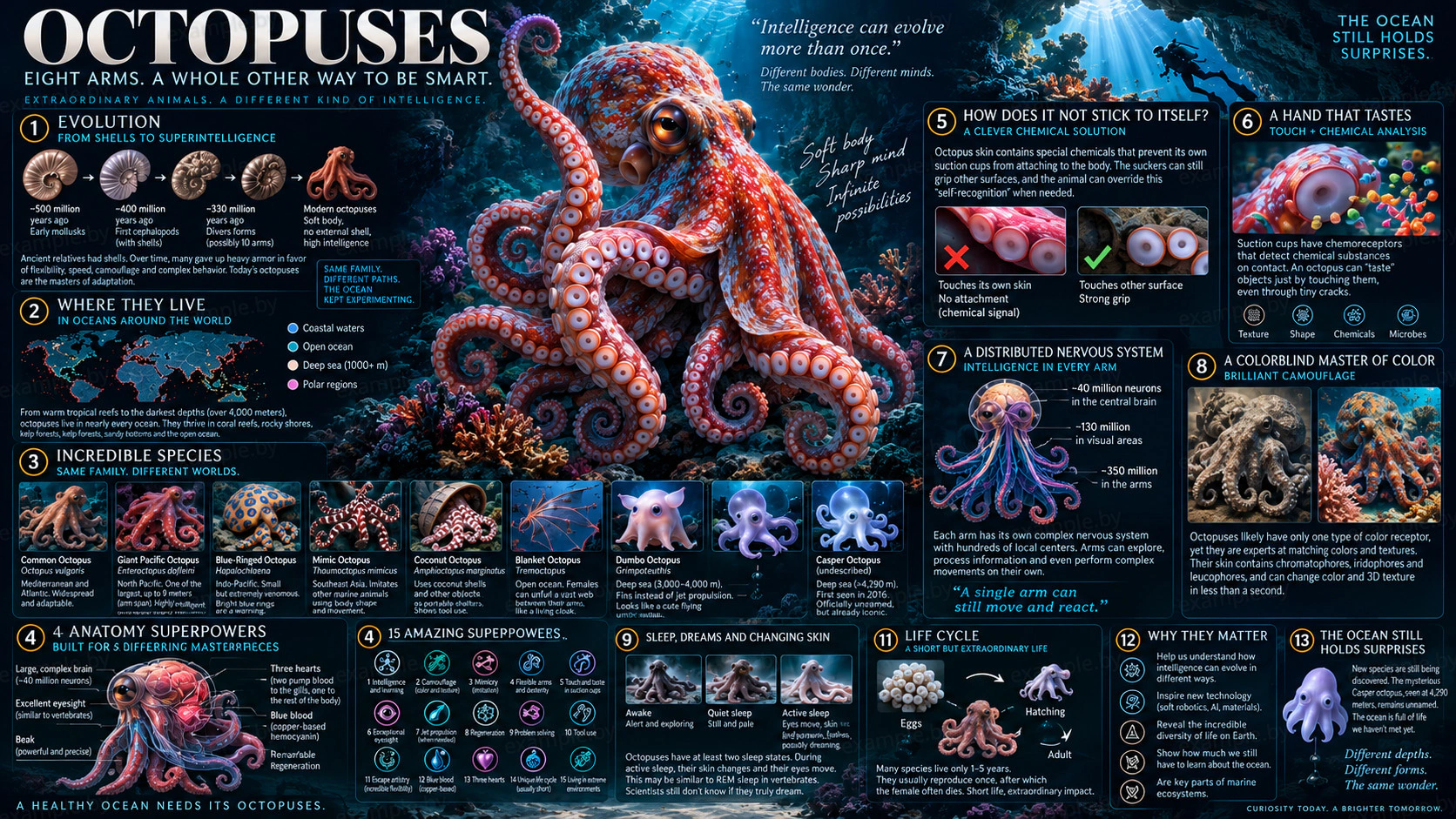
Octopuses: Evolution’s Alternative Experiment
 Medicine · 03.10.26
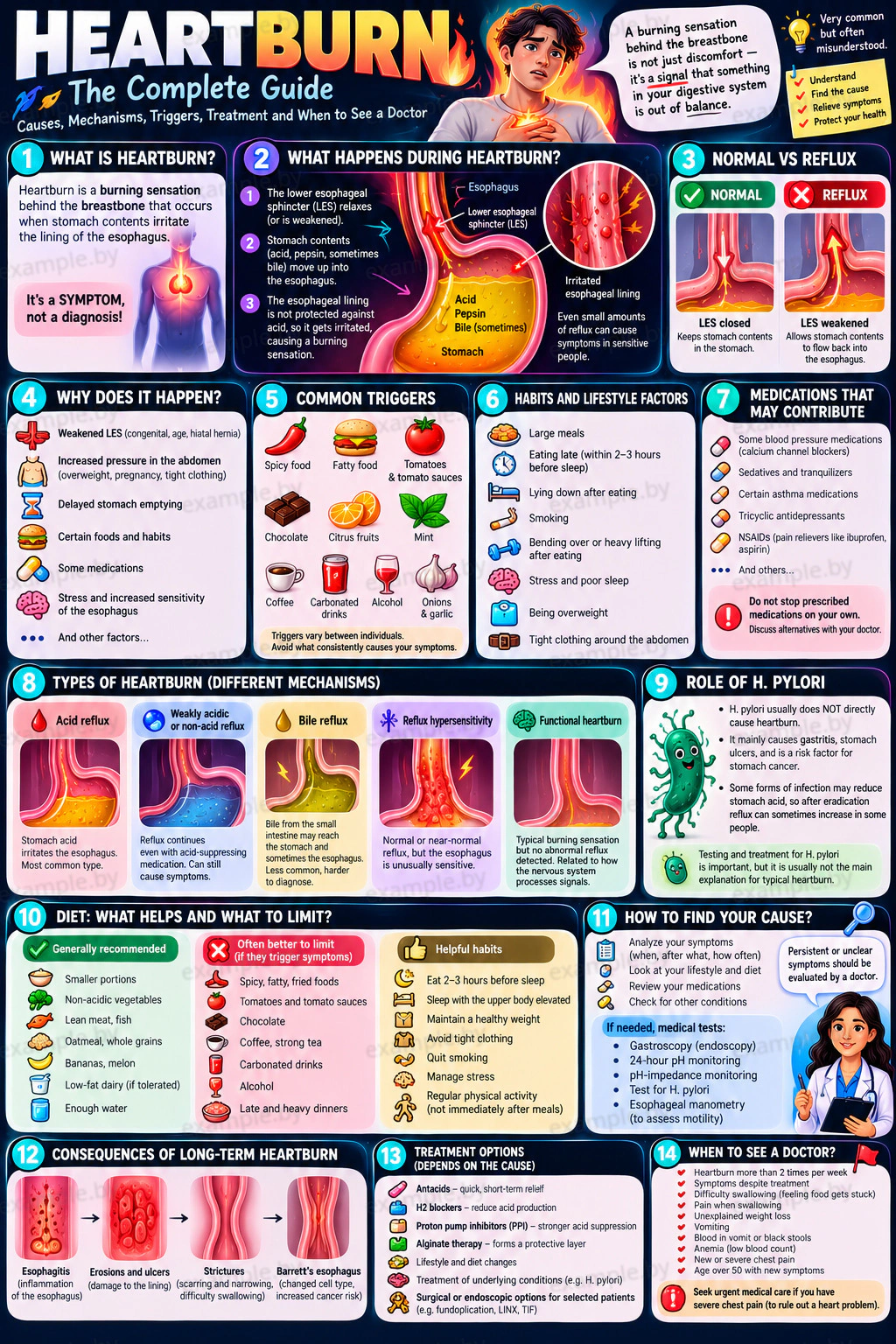
Heartburn: Why Stomach Contents Flow Back Up